
Last updated November 3, 2026
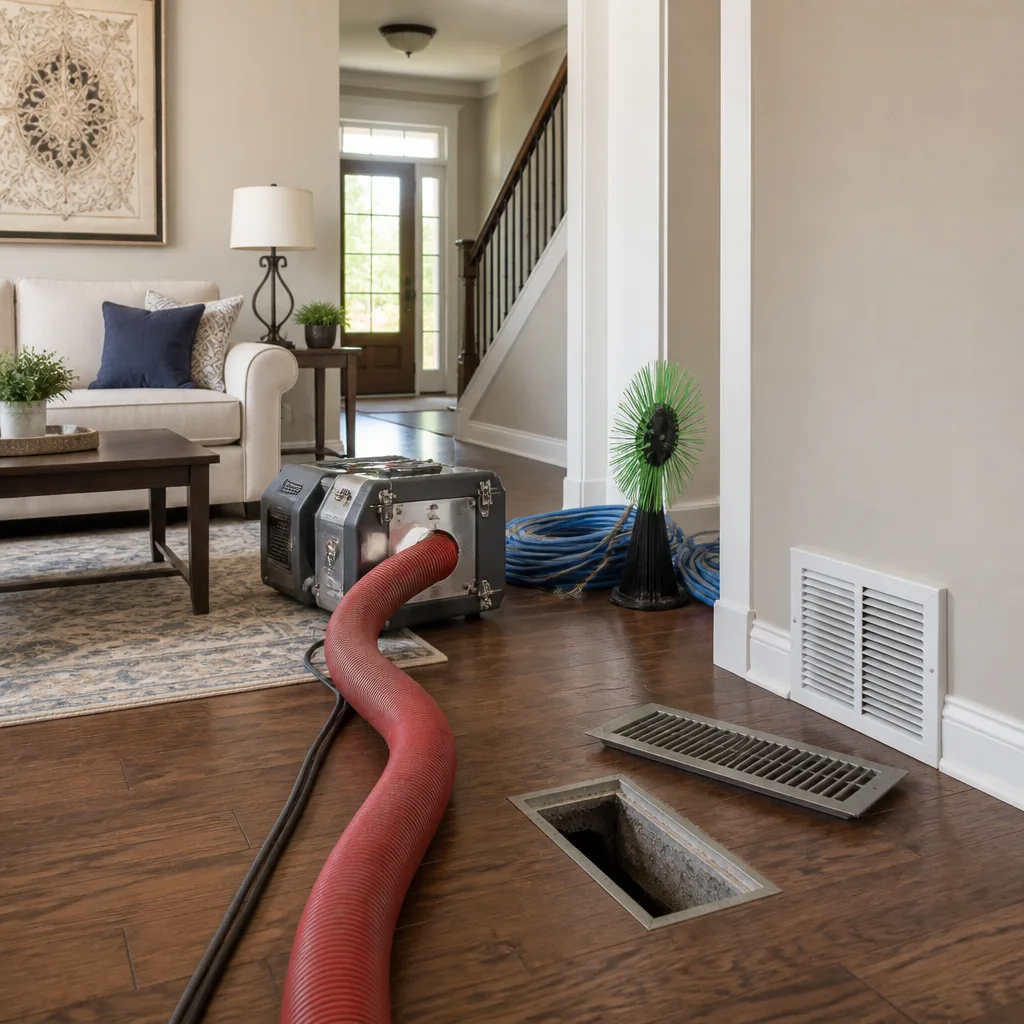 Whole-home duct cleaning
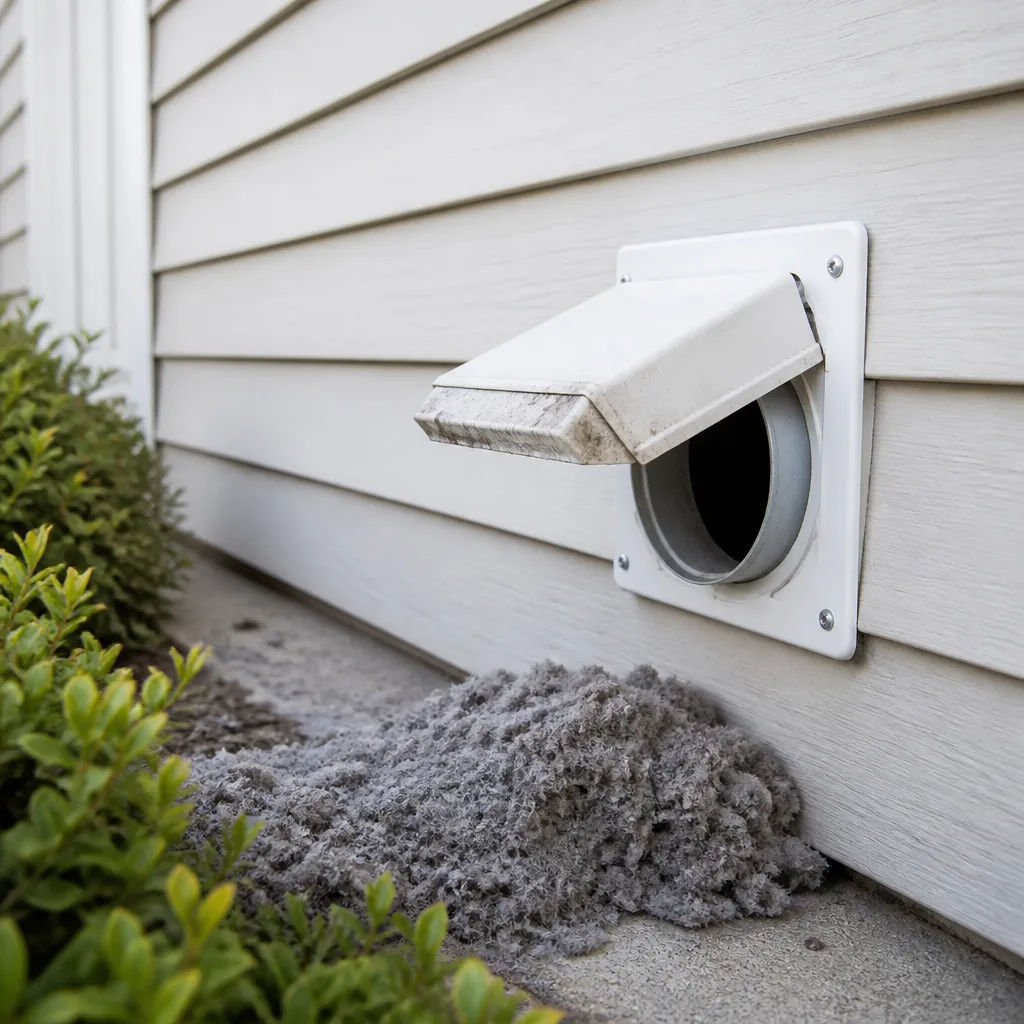 Dryer vent cleaning
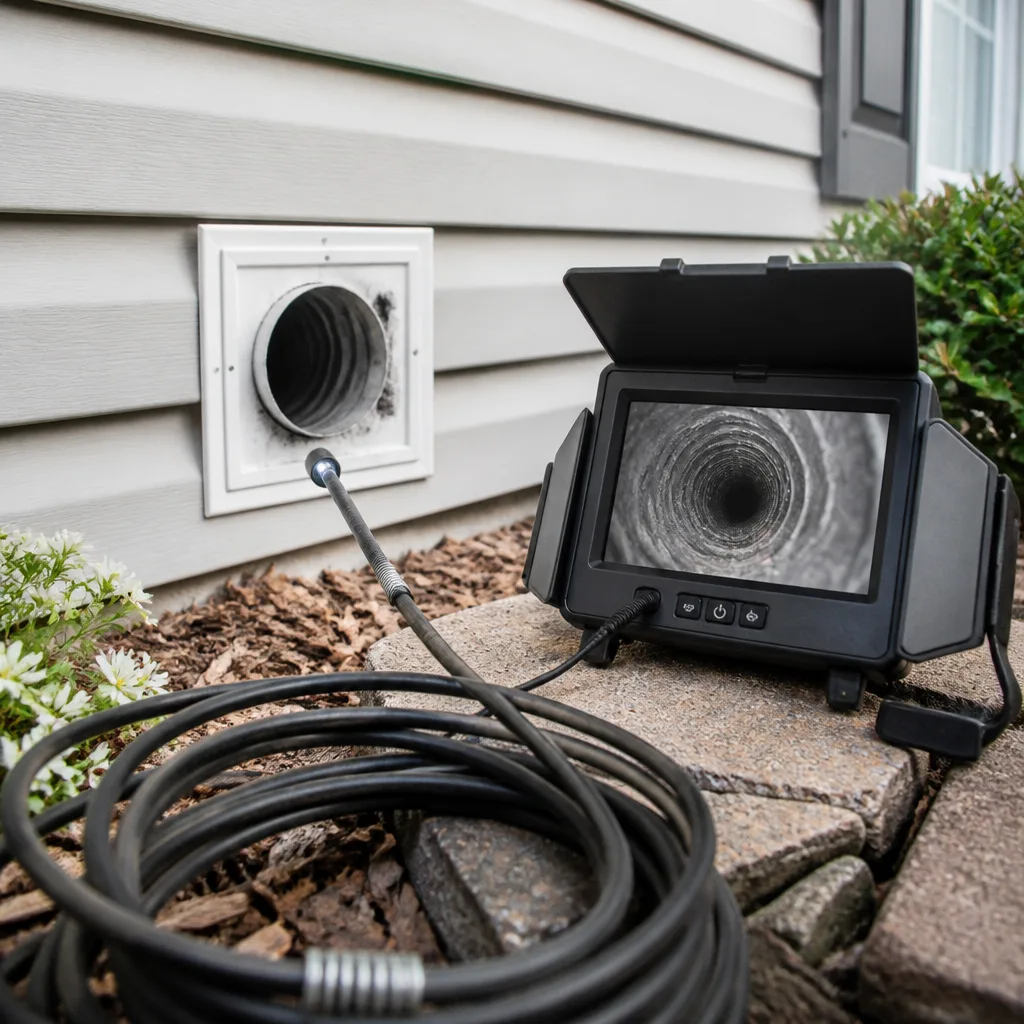 Camera inspection
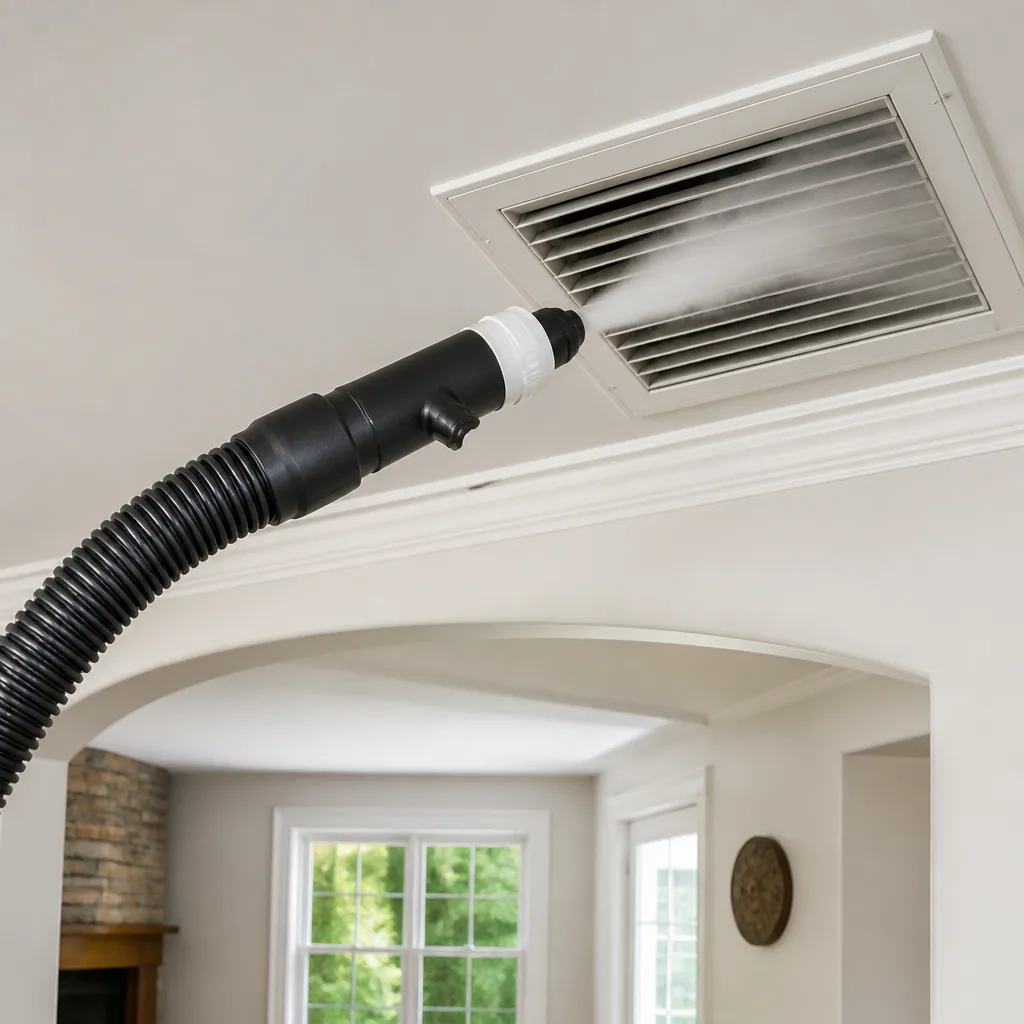 Sanitizing & deodorizing
Whole-system duct and dryer vent check with before-and-after photos - you see exactly what came out of your vents
That "$99 whole-house special" is a bait ad - the real number appears once they are in your hallway, or the "clean" is a shop-vac at the register. We photograph the inside of your ducts before and after instead.
The Complete Air Duct Cleaning Guide for Valley Hi Homeowners
Valley Hi sits in a Sacramento County pocket where summer temperatures routinely crack 100°F, which means your HVAC system runs harder, longer, and pulls more particulate through your ductwork than systems in milder climates ever will. That single fact changes the entire conversation about how often ducts actually need cleaning. Most national advice doesn’t account for a Valley Hi summer, a wildfire smoke season that parks itself over Sacramento for weeks, or the fact that much of this neighborhood’s housing stock dates back to the 1970s and 1980s. This guide will show you what actually accumulates in Valley Hi ducts, how to tell if yours need attention, what professional-grade equipment does differently, and how to verify the work was done right. For The Complete Guide to Air Duct Cleaning in Valley Hi, see our detailed resource.
Quick Answer
Most Valley Hi homeowners need Air Duct Cleaning services every 3 to 5 years, not annually as many companies suggest. The real determining factors are visible dust accumulation at registers, reduced airflow from vents, recent construction or renovation, pet dander buildup, and whether your home has been through a wildfire smoke season. When cleaning is warranted, professional-grade systems like Rotobrush and Nikro remove debris that a portable shop vacuum cannot reach, and negative-air containment prevents that debris from recirculating into your living space during the job. Call (833) 399-2759 for a free assessment and an honest answer about whether your ducts actually need work.
Styles & brands we work with
- Whole-home duct cleaning
- Dryer vent cleaning
- Camera inspection
- Sanitizing & deodorizing
Table of Contents
- How Valley Hi’s Climate Creates Different Duct Conditions
- How to Know When Your Ducts Actually Need Cleaning
- What Professional Equipment Does Differently
- Why Cleaning Trunk Lines Alone Is Incomplete Work
- How to Read an Honest Post-Cleaning Inspection Report
- Why Dryer Vent Cleaning Is a Separate Safety Service
- Common Mistakes to Avoid
- When to Call a Professional
How Valley Hi’s Climate Creates Different Duct Conditions
Valley Hi has a duct environment that national cleaning guides simply don’t address. The Sacramento Valley’s summer heat means your air conditioner cycles on for months at a stretch, pushing conditioned air through ductwork that sits in attics that can reach 140°F. That thermal stress causes duct seals to degrade faster than they do in coastal climates, and degraded seals pull in attic dust, insulation fibers, and whatever else is up there. When the system cycles off, that pulled-in particulate settles in the ductwork. When it cycles back on, some of it gets pushed into your living space. Over three to five years, this cycle deposits a meaningful layer of dust and debris in the average Valley Hi home.
Wildfire smoke adds another layer that most national guides ignore. When smoke from the foothills settles over Sacramento for days or weeks, your HVAC system pulls that particulate through the return air path. Most of it gets caught by the filter, but the fine fraction that gets through deposits on the blower motor, the evaporator coil, and the interior surfaces of the supply ducts. That residue is sticky, and it becomes a magnet for more dust. Homes in Valley Hi that have been through two or three significant smoke seasons often have visibly darker duct interiors than homes in areas that never see smoke. Air Duct Cleaning in Valley Hi addresses conditions specific to this part of Sacramento County, not generic national averages.
How to Know When Your Ducts Actually Need Cleaning
Here’s the honest truth that most service companies won’t tell you: ducts don’t need cleaning on a schedule. They need cleaning when specific, observable conditions exist. A house where two adults live without pets, runs a quality MERV-11 or higher filter year-round, and has no history of renovation might go seven years without needing a cleaning. A house with three dogs, kids tracking in dirt from the backyard, and a recent bathroom remodel might need one after eighteen months. The conditions matter more than the calendar.
Here are the specific indicators that warrant cleaning, based on what we look for when we inspect Valley Hi homes:
- Visible dust accumulation at supply registers. Remove a supply register cover and look inside with a flashlight. If you see a dust layer thick enough to smudge when touched, that’s surface accumulation that will continue to blow into rooms.
- Dark streaks or stains around register openings. This is the classic sign that fine particulate is being pushed out with the conditioned air and depositing on walls and ceilings near vents.
- Reduced airflow from specific rooms. If one bedroom always feels warmer in summer or colder in winter, and the filter is clean, the cause is often debris buildup or a crushed duct, not an equipment problem.
- Renovation or construction in the past year. Drywall dust, sawdust, and insulation fibers from renovations get pulled into returns and coat the entire duct system. This warrants cleaning regardless of the last cleaning date.
- Rodent or pest evidence in ductwork. Droppings, nesting material, or a dead animal in ductwork is a health hazard that requires professional removal and sanitation, not just a quick vacuum.
- Visible mold growth on interior duct surfaces. This requires source correction (fixing the moisture issue) plus professional remediation. Do not ignore this and do not attempt it with household products.
What you should not use as a trigger: the company that calls you saying “it’s been a while” without ever looking at your system. Or the fear-based flyer showing a dusty duct photo captioned “this is what’s in YOUR home right now.” Ducts collect dust. That’s normal. The question is whether the accumulation is negatively affecting airflow, air quality, or equipment efficiency, and that requires looking at the actual system.
What Professional Equipment Does Differently
The difference between a portable vacuum rig and a professional duct-cleaning system isn’t a matter of degree. It’s a difference in kind. A shop vac with a long hose creates suction at one point, and its brush attachment, if it has one, agitates only the surface it’s touching at that moment. A consumer-grade vacuum doesn’t have the airflow volume (measured in cubic feet per minute, or CFM) to pull debris from the full length of a duct run, which in many Valley Hi homes extends 20 to 30 feet from the air handler to the farthest register.
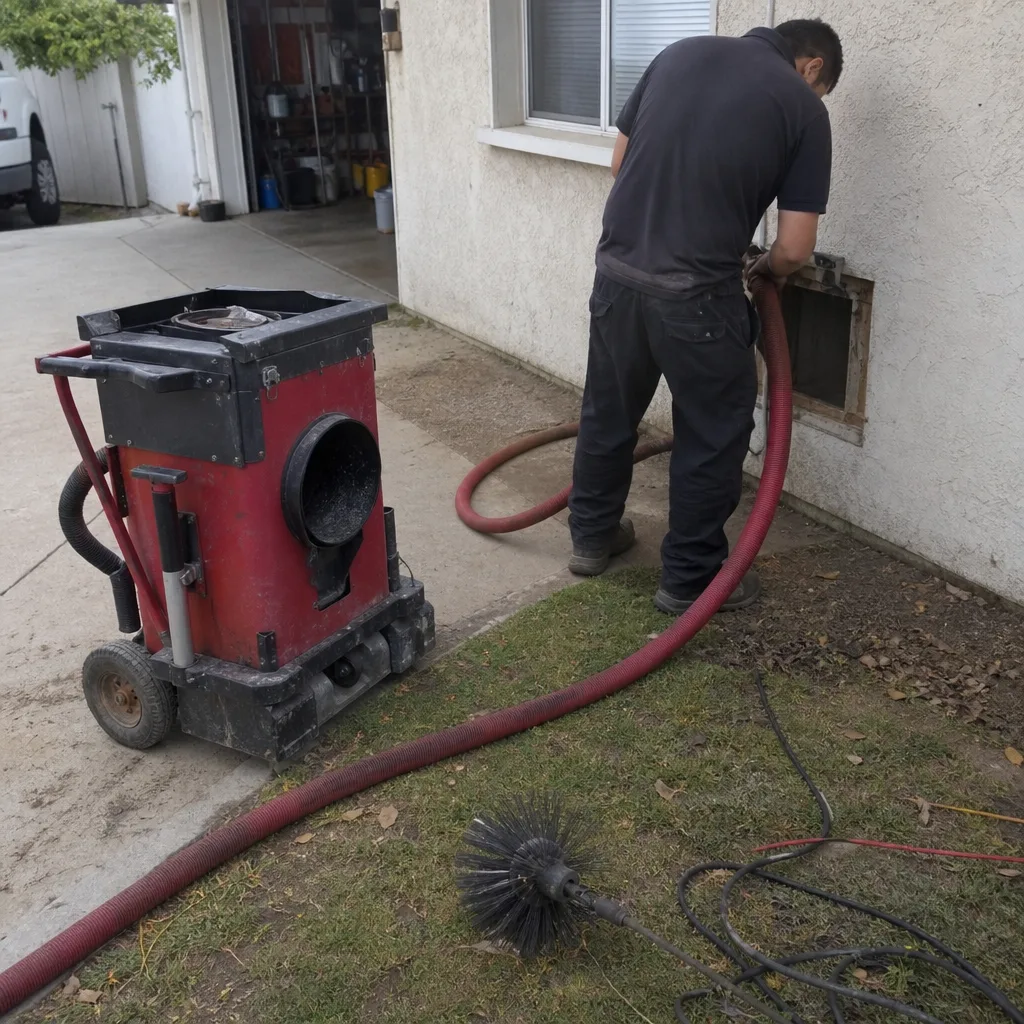
Professional systems work differently. Rotobrush rotary brush systems spin a brush inside the duct while simultaneously applying vacuum, which agitates and removes the adhered layer of dust, not just the loose debris on the floor of the duct. Nikro equipment is built for the restoration and IAQ contracting industry, and it produces the kind of sustained airflow that actually moves particulate through the collection system. These are purpose-built machines, not consumer tools with a logo printed on the side. That distinction matters because the debris inside a duct doesn’t just sit there waiting to be sucked up. It adheres to interior surfaces after years of condensation cycles, and removing it requires mechanical agitation plus sufficient airflow in combination.
Negative-air containment is the second critical difference. Abatement Technologies negative-air and containment protocols create a pressure differential so that when debris is dislodged, it moves into the collection system instead of floating back into your living room. Without this, a cleaning operation can actually make the air inside the home dirtier during the job than it was before. We use negative-air setups on every cleaning. That means what comes out of your ducts stays out of your living space.
Why Cleaning Trunk Lines Alone Is Incomplete Work
Your duct system is more than the metal trunks running through the attic or crawlspace. A complete cleaning addresses the entire airflow path, and a company that only vacuums the trunk lines is doing partial work at full price. Here’s what a complete system scope includes:
- Supply and return trunks. The main arteries of the system. These carry the bulk of the airflow and accumulate the majority of the dust load.
- Branch runs to each register. The smaller ducts that deliver air to individual rooms. These are often overlooked because they’re harder to access, but they carry the air you actually breathe in bedrooms and living spaces.
- Supply registers and return grilles. The visible components. These should be removed, cleaned, and reinstalled. Leaving dirty register covers on clean ducts is like washing a car and leaving mud on the bumpers.
- The evaporator coil. If coil surfaces are coated with dust and debris, cleaning the ducts alone will produce a temporary improvement at best. A dirty coil reduces heat transfer efficiency and provides a reservoir for dust that re-enters the airflow immediately.
- The air handler cabinet and blower assembly. The blower pulls air through the return side, and if the blower wheel is caked with particulate, it re-contaminates the air stream continuously. This doesn’t mean HVAC installation work; it means cleaning the accessible surfaces in the existing system.
If a company quotes you for duct cleaning without mentioning the coil and blower, ask why. The answer will tell you whether they understand how air actually moves through a system or whether they’re just running a vacuum through the visible parts. Our Air Duct Repair in Valley Hi service exists for a reason: cleaning a damaged duct is only half the job. Crushed runs, disconnected joints, and degraded seals need to be fixed, or the system will pull in attic air and re-contaminate itself within months.
How to Read an Honest Post-Cleaning Inspection Report
A legitimate cleaning job ends with documentation. Without it, you have no way to verify that the work was done or that it made a difference. Here’s how to evaluate the documentation you receive:
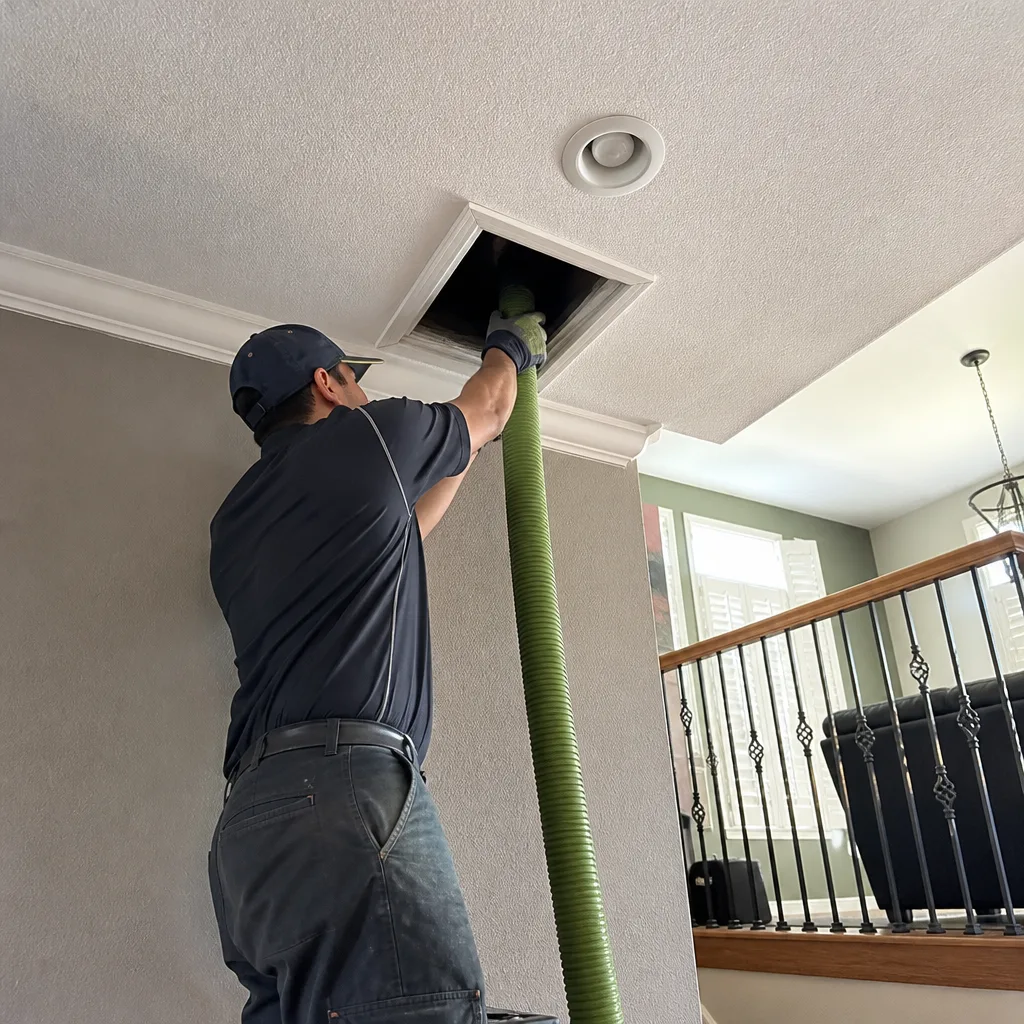
- Before and after photos of the interior of the ducts. These should show the same location before and after cleaning. Look for photos taken inside the trunk lines and inside branch runs. If a company can only show you photos of the register openings, they may not have accessed the full system.
- Static pressure readings before and after. Professional IAQ contractors measure static pressure, which indicates airflow resistance. A meaningful drop in static pressure after cleaning indicates that airflow restriction was removed. If no measurements were taken, the claim “we cleaned your ducts” is unverifiable.
- A written summary of what was found and what was done. This should include which components were cleaned, any damage found during the job (cracked ducts, separated joints, pest evidence, moisture staining), and what, if anything, was recommended as a follow-up.
- No surprise upcharges after the fact. The total invoice should match the quote unless damage was found that required discussion and approval during the job. The industry’s reputation problem comes from lowball quotes that balloon once the technician is in the home. The report should document what was actually done for the agreed price.
One flat price per system, agreed before work starts, is the standard you should expect. If a company cannot or will not provide that, walk away. The price should not depend on how many vents you have, because the work required doesn’t meaningfully change based on vent count. What changes the work is the size of the system and the amount of accumulated debris, both of which can be assessed in a pre-cleaning inspection.
Why Dryer Vent Cleaning Is a Separate Safety Service
Dryer vent cleaning gets lumped in with duct cleaning on a lot of company menus, but it’s a different job with a different primary purpose. Lint accumulation in dryer vents is a documented fire hazard. The U.S. Fire Administration identifies failure to clean dryer vents as a leading cause of residential dryer fires, and those fires cause property damage and injuries every year. This is not an upsell. It’s fire prevention.
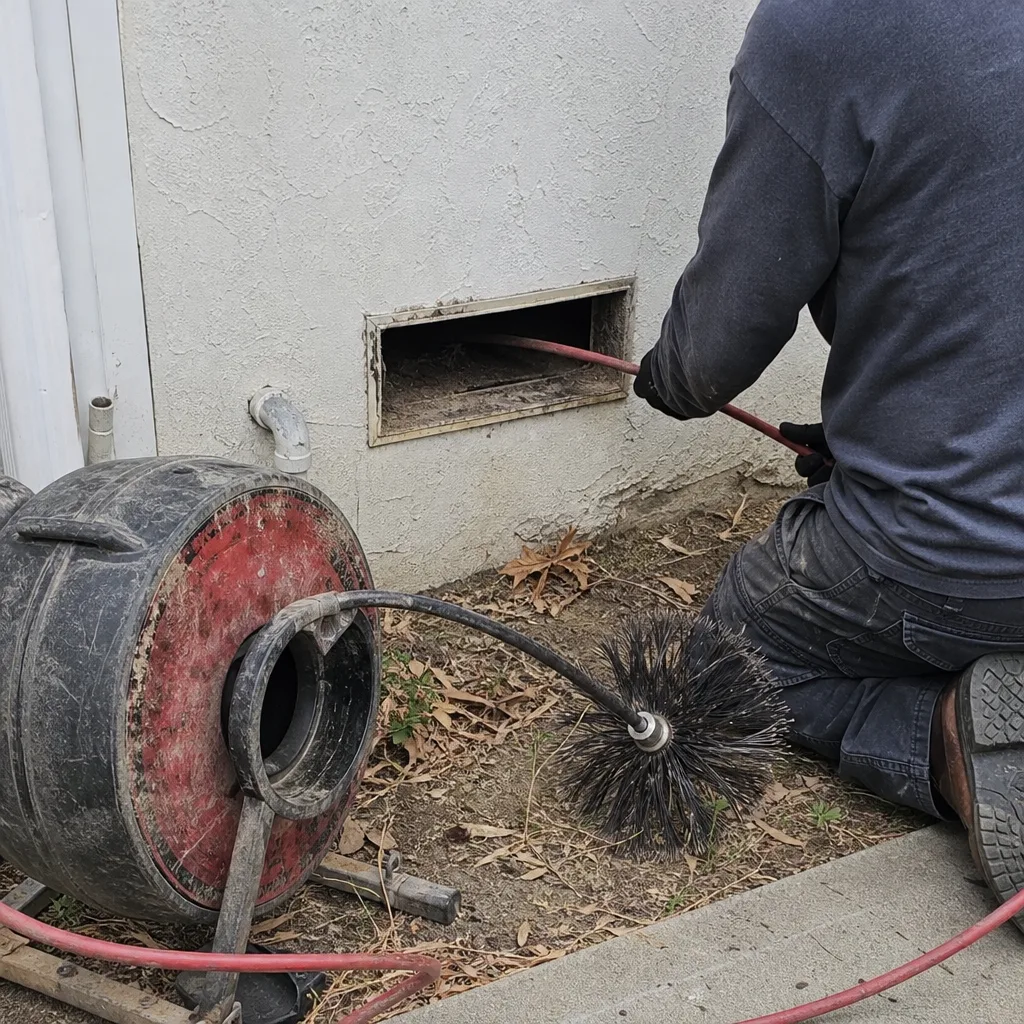
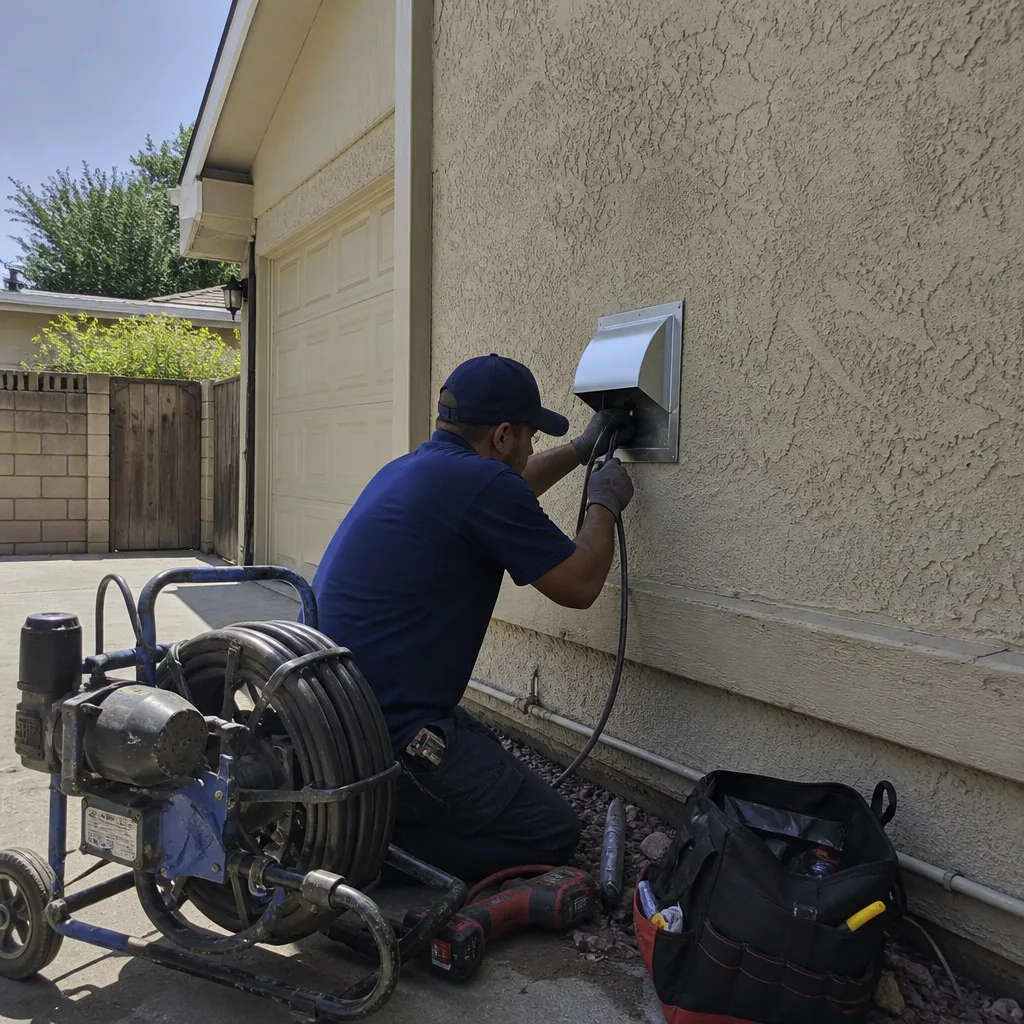
The job itself is different from duct cleaning in several ways. Dryer vents are smaller in diameter, they carry hot, moisture-laden air, and they terminate outside the home. Lint accumulates over time and reduces airflow, which makes the dryer work harder, which shortens the life of the dryer and increases the risk of the lint itself igniting from the elevated temperature. In Valley Hi, where homes often have longer-than-average dryer vent runs to reach exterior walls, the accumulation problem is worse than in newer construction with short, straight runs.
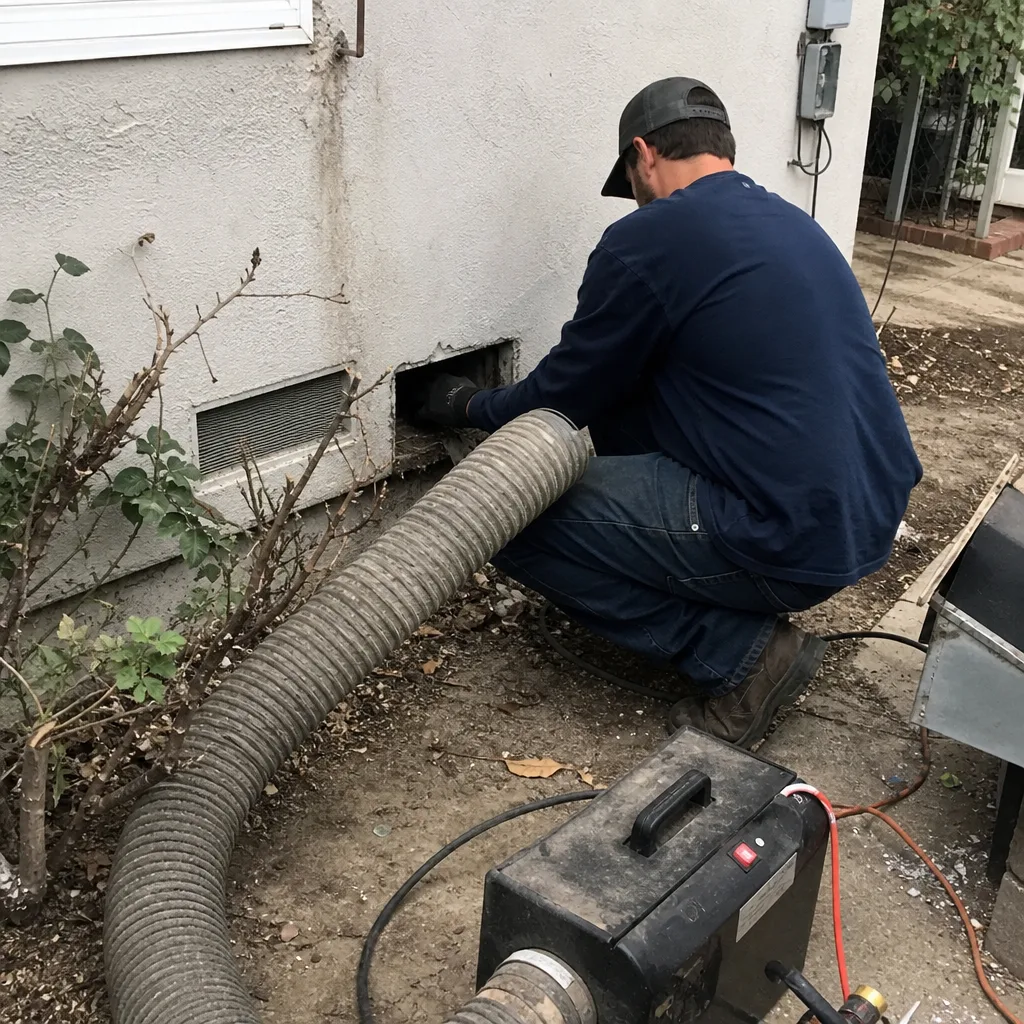
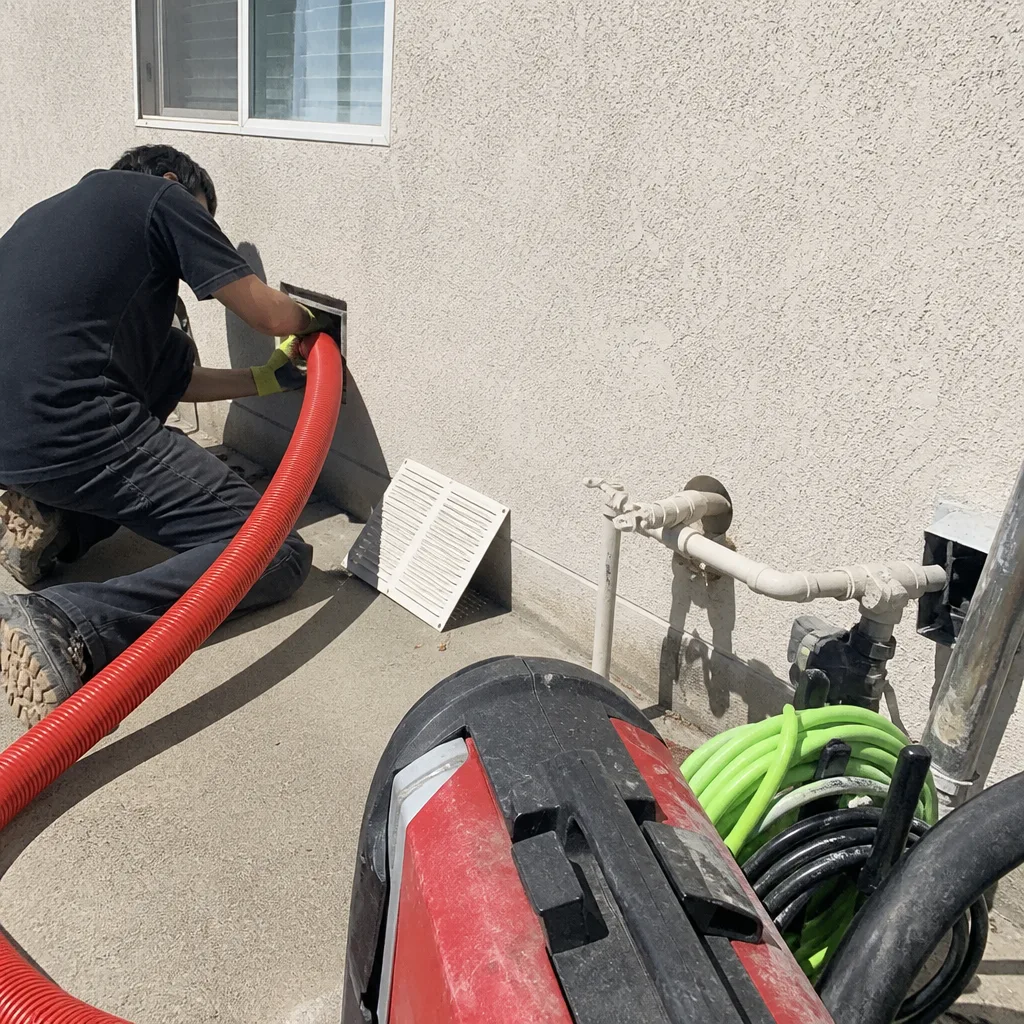
We treat Dryer Vent Cleaning in Valley Hi as a standalone safety service, not an add-on to a duct cleaning job. The inspection includes checking the vent termination outside, the interior walls of the vent, and the connection at the dryer itself. If you don’t remember the last time your dryer vent was cleaned, it’s probably overdue, regardless of what’s happening with your HVAC ducts. The two systems are separate for good reason. One moves air you breathe. The other moves air that is hot, moist, and full of combustible lint.
Common Mistakes to Avoid
- Believing the annual-cleaning schedule. National chains promote annual duct cleaning because it’s good for their revenue, not because it’s good for your system. Most Valley Hi homes need cleaning every 3 to 5 years, and some go longer. Let visible conditions, not a calendar, drive the decision.
- Hiring based on a coupon price. The $49 whole-house duct cleaning offer is bait. The legitimate cost of professional equipment, trained labor, and proper containment cannot be delivered at that price. The invoice will find its way to $400 or $600 before the job is done, or the job will be superficial. One flat price per system agreed in writing before work starts is the only honest pricing model.
- Neglecting filter maintenance and then blaming the ducts. A clogged or low-quality filter forces your blower to work harder and allows more particulate into the system. The best duct cleaning in the world won’t help if you’re running a fiberglass filter that captures almost nothing. Honeywell and Aprilaire both make quality filtration products, and choosing the right filter for your system matters as much as cleaning.
- Cleaning ducts without addressing the source of the contamination. If attic dust is being pulled into the system through separated joints, cleaning will help for a few months before the ducts are dirty again. The leak needs to be sealed. Cleaning a system with damaged ductwork is incomplete work. We clean, repair, and restore, because cleaning a damaged duct is only half the job.
- Skipping before and after documentation. Without photos and measurements, you cannot verify the work was done or that it mattered. Legitimate companies provide documentation because it protects both parties. Refusing to hire a company that won’t provide it is protecting yourself.
- Thinking dryer vents and HVAC ducts are the same system. They aren’t, and cleaning one doesn’t clean the other. A lint-clogged dryer vent is a fire risk even if your HVAC ducts are spotless. The two services have different frequency needs and different safety profiles.
When to Call a Professional
Call a professional when you can see dust accumulation inside ducts that are accessible, when dark streaks appear around register openings, when airflow from specific rooms is noticeably reduced, or when your home has been through a renovation that generated drywall dust or other fine particulate. Call before you list a home for sale, because a documented duct cleaning is a meaningful selling point in Valley Hi, where buyers are aware that many homes are 40 to 50 years old. And call if you smell a musty odor when the system first starts up after being off, which can indicate moisture in the ductwork. Air Duct Cleaning Valley Hi offers free estimates in Valley Hi, call (833) 399-2759. We’ll tell you honestly whether cleaning is warranted, and if it isn’t, we’ll tell you that too. The Air Duct Cleaning Valley Hi home page has more information about our full service scope.
See the difference
 Before
 After
 Before
 After
 Before
 After
Frequently Asked Questions
Professional air duct cleaning for a typical Valley Hi home generally runs between $350 and $700 for a complete system, including trunk lines, branch runs, registers, and accessible coil and blower surfaces. The exact cost depends on the size of the home, the number of systems, and the amount of accumulated debris. One flat price per system agreed before work starts should be the standard you expect, and any company quoting significantly less than this range is likely planning to upsell you during the job or do superficial work. Call (833) 399-2759 for an exact quote for your home, estimates are free.
Every 3 to 5 years is the honest range for most Valley Hi homes, but the conditions in your home matter more than the calendar. Homes with pets, recent renovations, or exposure to multiple wildfire smoke seasons may need cleaning sooner, while a home with no pets, minimal foot traffic, and quality filtration may go five years or more. If your ducts were cleaned two years ago and you haven’t had a renovation, grown the household, or added pets, you probably don’t need another cleaning yet.
Cheaper quotes almost always mean one of three things: the company is using portable vacuum equipment that can’t reach the full duct run, the company will find “problems” during the job that require expensive additional work, or the quote covers only the visible parts of the system and not the full airflow path. Professional-grade equipment like Rotobrush and Nikro, trained technicians, and proper negative-air containment all cost money. A quote that doesn’t reflect those costs isn’t cheaper; it’s incomplete. Call (833) 399-2759 for a quote based on the actual work your system needs.
You verify the work through documentation: before and after photos taken inside the ducts at identifiable locations, static pressure readings before and after cleaning, and a written summary of what was found and what was done. A legitimate company provides this without being asked. A company that hands you an invoice and says “all done” without any documentation hasn’t given you a way to verify anything. Before you schedule, ask what documentation you’ll receive when the job is complete.
Air filters catch particulate before it enters the supply side, but they don’t catch everything, and they don’t address what’s already inside the ductwork. Particles that settle on interior duct surfaces stay there until they’re removed, and over years they build up, reduce airflow, and provide a substrate for moisture and microbial growth. A quality filter from Honeywell or Aprilaire reduces the rate of accumulation, but it doesn’t eliminate the need for cleaning eventually. Filters and cleaning are complementary, not alternatives.
Duct cleaning can meaningfully reduce the amount of particulate circulating through your home, which can help allergy sufferers, particularly during Sacramento’s spring pollen season and fall wildfire smoke season. Dust, pollen, pet dander, and smoke residue accumulate in ductwork and get redistributed every time the system cycles on. Removing that reservoir means the air your system delivers is cleaner. It’s not a cure for allergies, but it removes one source of indoor particulate that many Valley Hi homes have been carrying for years.
The Bottom Line
Duct cleaning in Valley Hi is neither a scam nor a universal necessity. It’s a specific maintenance service for specific conditions, and those conditions occur more frequently here than in milder climates because of heat, smoke, and older housing stock. When cleaning is warranted, professional-grade equipment and containment protocols matter, and the difference between a Rotobrush system and a shop vac is the difference between cleaning the full airflow path and vacuuming the visible parts. When it isn’t warranted, the honest answer is “you don’t need this yet.” The way to protect yourself is straightforward: verify conditions before scheduling, expect one flat price per system, require before and after documentation, and call (833) 399-2759 for a free estimate from a company that will tell you the truth about your system.
Written by the team at Air Duct Cleaning Valley Hi, serving Valley Hi since 2018. Explore more guides & resources on our blog.