
Last updated November 2, 2026
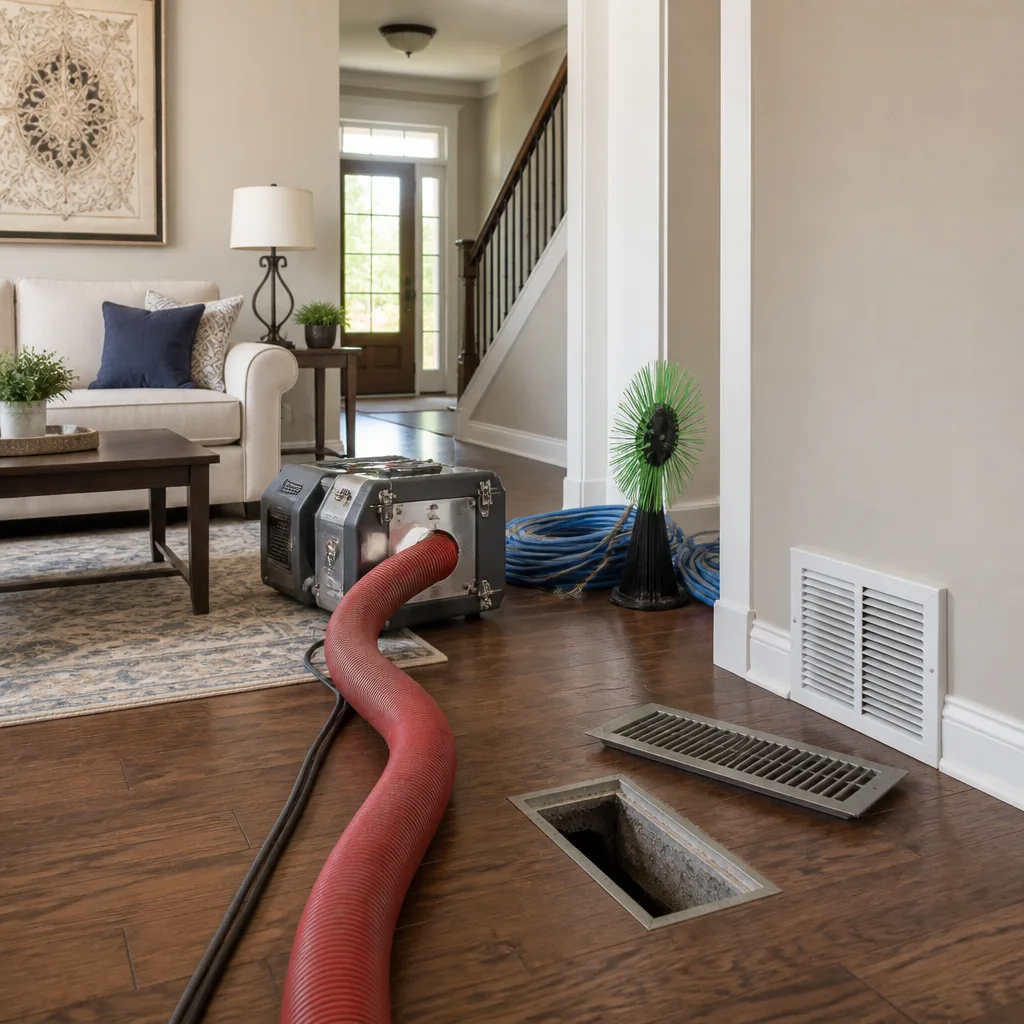 Whole-home duct cleaning
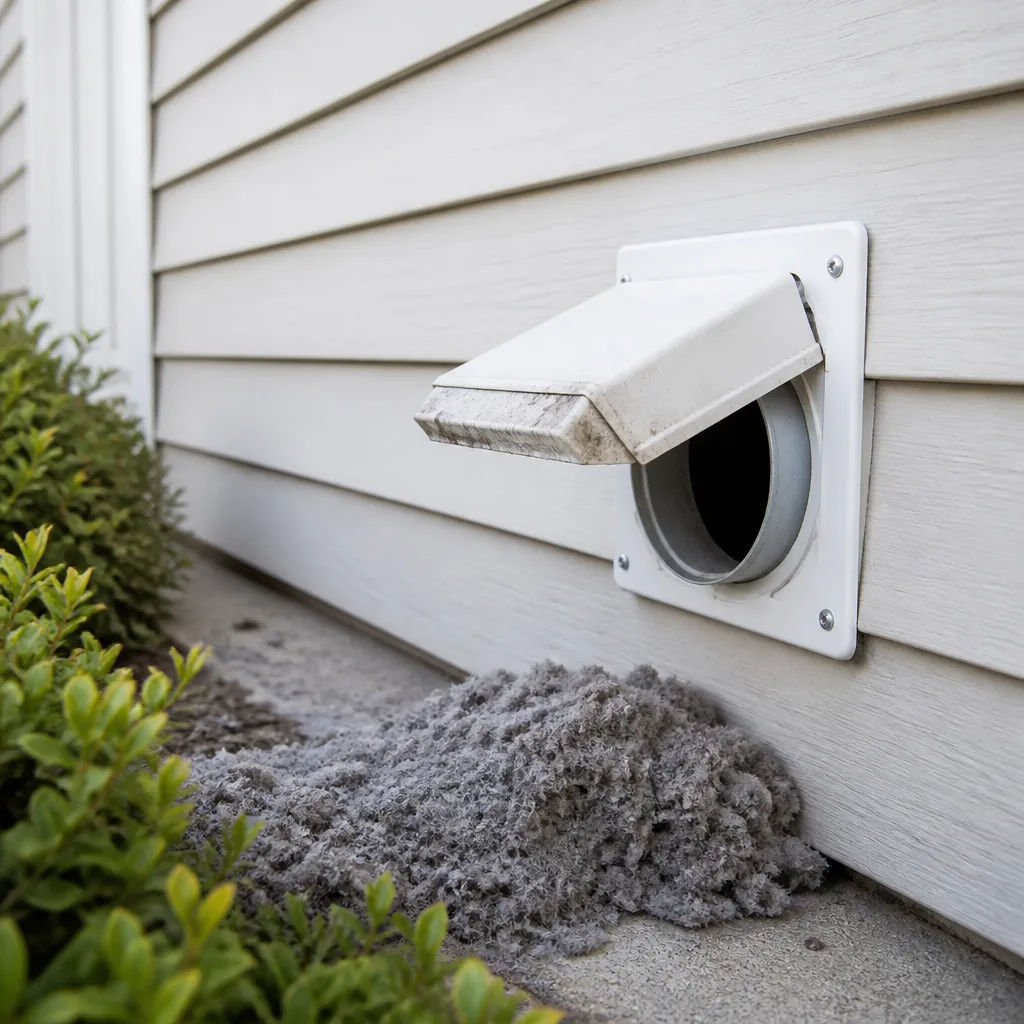 Dryer vent cleaning
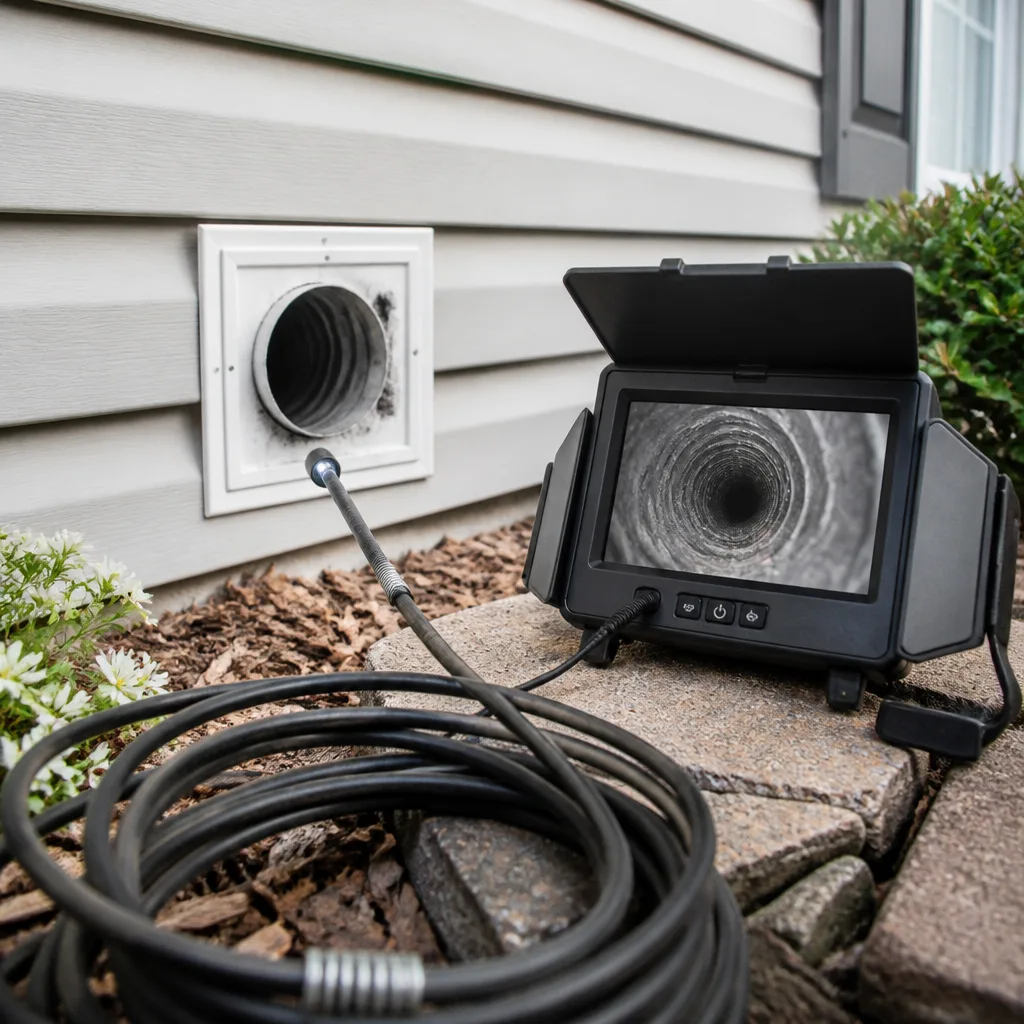 Camera inspection
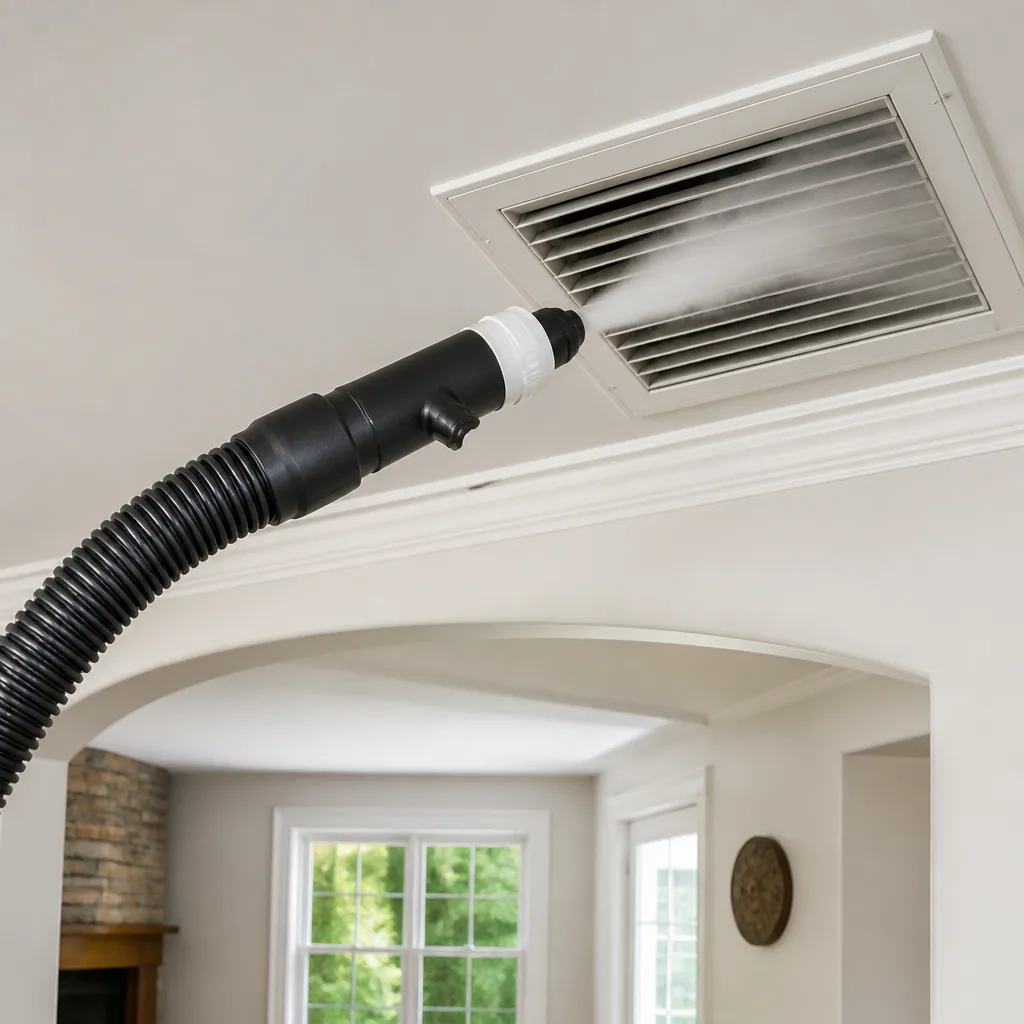 Sanitizing & deodorizing
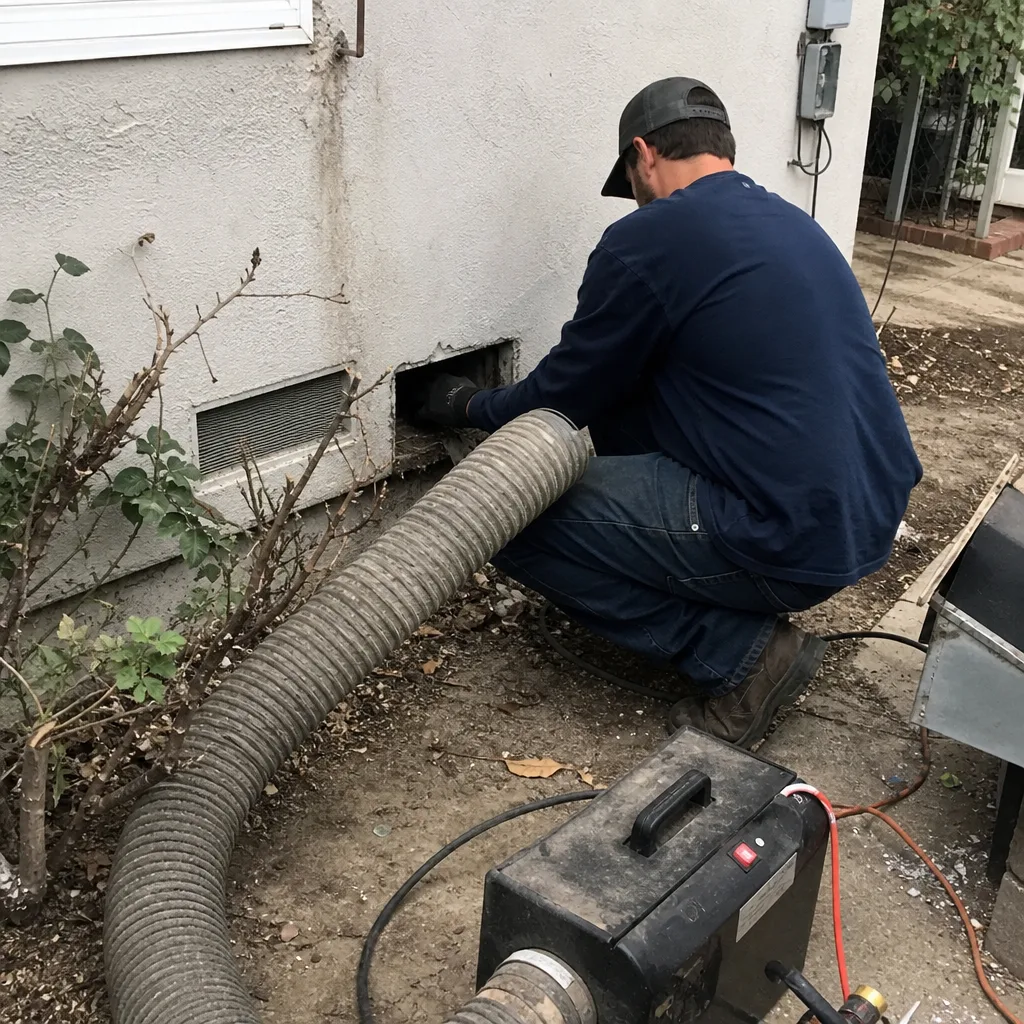
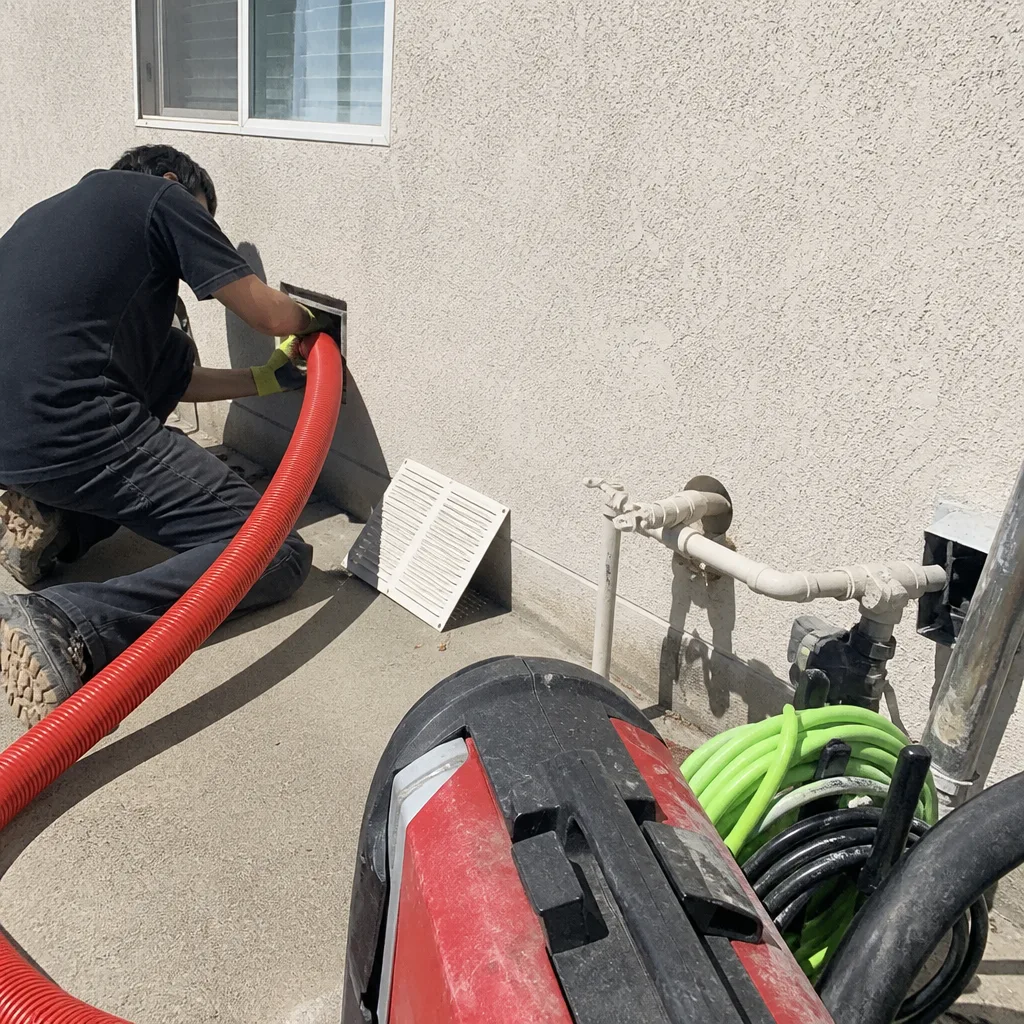
Whole-system duct and dryer vent check with before-and-after photos - you see exactly what came out of your vents
That "$99 whole-house special" is a bait ad - the real number appears once they are in your hallway, or the "clean" is a shop-vac at the register. We photograph the inside of your ducts before and after instead.
Air Duct Cleaning Emergency Preparedness Guide for Valley Hi Homes
During the 2020 and 2021 wildfire seasons, Sacramento-area air quality hit hazardous levels for weeks at a time. Every hour your HVAC ran during those events was pushing smoke particulate deeper into your duct system. What most Valley Hi homeowners discovered too late is that a duct system is not a passive element of your home – it’s a collection point, a moisture trap, and a distribution network. This guide covers the two air quality emergencies that actually affect ductwork in Valley Hi: wildfire smoke infiltration and water intrusion from flooding. You’ll learn what to do before, during, and after each event, how to document damage for insurance, and when a professional inspection is not optional.
Styles & brands we work with
- Whole-home duct cleaning
- Dryer vent cleaning
- Camera inspection
- Sanitizing & deodorizing
Quick Answer
Air duct emergency preparedness for Valley Hi means knowing when to shut down HVAC entirely versus running filtration during wildfire smoke events, acting within 48-72 hours of any water intrusion before biofilm establishes in ductwork, and having your system inspected by a professional before restarting after either emergency. The two emergencies that matter here are smoke inundation and flooding, and both require specific protocols you should have written down before they happen.
Table of Contents
- Wildfire Smoke and Your Duct System: What Actually Happens
- Shutdown vs. Run: Making the Filter Call During a Smoke Event
- Flooding Protocol for Slab and Crawlspace Ducts in Valley Hi
- Pre-Emergency Preparation: The Checklist You Need Before Smoke Season
- Post-Event Duct Inspection: What Should Actually Be Checked
- Documenting Duct Condition for Insurance Claims
- Restarting Your HVAC After an Emergency: Timing and Sequence
- Common Mistakes to Avoid
- When to Call a Professional
- Frequently Asked Questions
- The Bottom Line
Wildfire Smoke and Your Duct System: What Actually Happens
Smoke is not one thing. It’s a cocktail of gases, volatile organic compounds, and particulate matter ranging from visible ash down to sub-micron particles that pass through most residential filters without slowing down. During the 2020 and 2021 fire seasons, Valley Hi homes sat under smoke plumes for weeks. Your HVAC system pulls return air from inside the house, but no Valley Hi home is fully sealed. Smoke infiltrates around door seals, window frames, and through attic penetrations. Once inside, it gets pulled into the return ducts, where it deposits on duct surfaces. What makes this worse over time: the fine particulate works into the fiberglass insulation lining older ductwork and the flex duct interiors common in Valley Hi homes built in the 1980s and 1990s. Think of it as a layer of soot being pressed into the inside of a sponge. You can change a filter, but the deposit remains until physically removed.
What your standard fiberglass filter catches is comparatively large. What it doesn’t catch settles in the duct and gets re-released every time airflow changes, kicks up, or the system cycles. We’ve cleaned duct systems in Valley Hi after smoke events where the filter looked gray but the duct walls held a fine black film you could wipe off with a finger. That’s what continues circulating after the sky clears.
Shutdown vs. Run: Making the Filter Call During a Smoke Event
This is the single most common question we field from Valley Hi homeowners during smoke events: should I shut the system down or keep it running with a better filter? The answer depends on your filter setup, not on the AQI number alone. Most Valley Hi homes have a 1-inch filter slot designed for basic fiberglass filters. Those are fine for capturing large dust, but during a smoke event, they let the dangerous fraction through. If you have a 1-inch slot and no way to upgrade to MERV-13, shutting the system down during the heaviest smoke hours is the right call. Running it actively worsens indoor air by pulling smoke into the ducts and distributing it through every register.
If you have a 4-inch media cabinet, or if you’ve upgraded the filter housing to accept MERV-13 or higher, the calculation changes. With a high-efficiency filter properly seated, running the fan continuously can actually improve indoor air by scrubbing particulate from the house, rather than just moving it around. This is also where a product like a Honeywell media air cleaner or upgraded filter housing helps. It gives the system a real filtration capacity it simply doesn’t have with the stock slot. One caveat from experience: if you run the fan continuously during smoke, check the filter after 48 hours. High particulate loads load filters fast, and a loaded filter collapses on itself and stops filtering. If the filter looks like it’s been pulled through a campfire, replace it, even if the calendar says it’s early.
The Filter Decision Matrix
- 1-inch fiberglass filter, no upgrade: shut down during AQI over 150. Do not run continuous fan.
- 1-inch pleated MERV-8: marginal. Shut down during AQI over 200. Limit run time.
- 4-inch media MERV-11 or higher: safe to run fan continuously. Check filter every 48 hours during heavy smoke.
- MERV-13 in a properly sealed housing: best available option. Run fan continuously. Replace on AQI-recovery, not on a schedule.
If you’re not sure what filter housing you have, take a photo of the filter opening and the filter itself. That basic record matters more than most homeowners assume, because post-event, a technician can tell from the filter condition what your exposure window looked like.
Flooding Protocol for Slab and Crawlspace Ducts in Valley Hi
Valley Hi sits on flat terrain with a high water table in winter months. Older homes in the area used slab-on-grade construction, where ducts were cast into or run below the concrete slab. When water gets into a below-slab duct, it doesn’t evaporate quickly. It sits. The window for intervention before biological growth establishes is short: 48 to 72 hours. That’s not a conservative recommendation; it’s the outer bound of what the restoration industry generally recognizes before you’re dealing with a microbial problem rather than a wet-duct problem. This matters for Valley Hi specifically because winter storms plus the low elevation of much of the neighborhood mean localized flooding is not rare. If water has stood near your foundation, or if your return air registers are below grade, assume the duct is wet until proven dry.
A wet duct system behaves in a predictable sequence. First, the standing water or saturated insulation causes a sharp rise in humidity inside the duct. Within that 48-72 hour window, spores that are already present in every home begin to colonize the surfaces. Once a biofilm establishes, wiping surfaces isn’t enough – the ducts require more aggressive cleaning and potentially repair. We’ve pulled wet flex duct from Valley Hi returns after flooding where the insulation matting had wicked water several feet up from the point of entry. That insulation doesn’t dry in place. It has to be replaced.
What To Do in the First 72 Hours
- Hours 1-12: do not run the HVAC system. Running it pulls moisture deeper into the system and spreads it through the house. Shut the system off at the thermostat and, if possible, at the breaker.
- Hours 12-24: locate the water entry point. If return registers near floors are submerged, or if you see water at the base of any register boot, document it with photos before touching anything.
- Hours 24-48: call a restoration contractor or a duct contractor who can access the ductwork and assess whether water has entered the duct system itself, not just pooled around it. In our experience, if the floor register has sat in water, the duct is wet.
- Hours 48-72: do not attempt to dry ducts with a shop vac or portable heater. This is not a homeowner job. A proper assessment uses moisture meters and often camera inspection to see what’s actually inside.
If the 72-hour mark passes without intervention, be prepared for the word replacement rather than cleaning. Wet fiberglass insulation in flex ducts and liner inside rigid ducts holds moisture tenaciously, and drying it in place is not a reliable strategy.
Pre-Emergency Preparation: The Checklist You Need Before Smoke Season
The homeowners who come through both smoke events and flooding with the least damage are the ones who did a handful of unglamorous things before anything went wrong. None of this is complicated, but all of it requires follow-through. The time to figure out where your HVAC shutoff is located is not when smoke is rolling in or water is rising.
Your HVAC system has two shutoff points. The first is the thermostat, which most people know. The second is the breaker, which most people never think to locate until it matters. In Valley Hi homes, particularly those built between 1975 and 1995, the HVAC breaker is typically in the main panel and labeled, but not always accurately. Go find it today. Write the breaker number on a piece of tape and stick it to the furnace closet door. It will save you a frantic panel search when you smell smoke or hear water.
The other pre-emergency upgrades worth considering are more material. If your system has a 1-inch filter slot, upgrading to a 4-inch media cabinet is the single most effective thing you can do to change how your home behaves during a smoke event. This is not a big job, but it does require a contractor familiar with retrofit filter housing. We’ve installed these modifications on Valley Hi systems where the original equipment only ever accepted fiberglass, and the difference in smoke-season performance is immediately measurable. You can feel it in the air and see it in the filter. Pair that with a quality MERV-13 media filter, and your home has a fighting chance during the next major smoke event.
Return air leaks deserve attention too. Walk your house and locate every return grille. If the grille feels loose, or if you can see gaps around the edges where the grille meets the wall, smoke is getting pulled around the filter rather than through it. Sealing these gaps is straightforward, but it’s the kind of small repair that keeps particulate out of the system. Along similar lines, any disconnected duct run in the attic or crawlspace is a direct injection point for smoke and moisture. A pre-season inspection can find these before they become emergency liabilities.
Post-Event Duct Inspection: What Should Actually Be Checked
After a smoke event or a flood, the instinct is to change the filter and move on. That’s the wrong order. The right move is an inspection before the system runs again. What should that inspection include? There’s a short list of things that actually matter, and it’s more specific than most homeowners expect.
First, a visual and camera inspection of the duct interior. This is where a contractor sees what the filter didn’t catch. After a smoke event, we look for a layer of fine gray or black particulate on duct surfaces, and we check whether that layer extends throughout the run or only near the return. If it’s throughout, the duct needs cleaning before occupancy returns to normal. If it’s only near the return, the filter did its job but the system still needs a careful brush of the return side.
Second, moisture readings. After flooding or heavy water intrusion, a moisture meter reading of the duct interior and the surrounding insulation tells you whether the system is dry, damp, or saturated. This is not something a homeowner can eyeball. Flex duct exterior can feel dry while the inner lining is wet. We’ve opened ducts where the outer jacket looked fine and the inside was soaked.
Third, an assessment of the duct material itself. Flex duct that’s been wet for more than a few days often delaminates, where the inner liner separates from the insulation. That’s a replacement situation, not a clean-and-reuse one. Similarly, rigid metal duct that has been submerged may develop surface rust or, in older systems, fail at the seams. Air Duct Repair in Valley Hi is a separate service from cleaning, but the two often overlap after an emergency because cleaning reveals structural problems.
Fourth, filter housing and seal condition. If smoke infiltrated through a leaky filter housing, that’s the moment to upgrade, not after the next event. The same applies to any gaps at return grilles or plenum connections found during inspection.
If any of these checks comes back positive, the system should not run until the problem is corrected. We’ve arrived at Valley Hi homes where homeowners ran the system for two weeks after a smoke event, and the particulate had settled into every register boot and secondary surface in the house. The cleanup was dramatically more involved than it would have been had they called before running the fan.
Documenting Duct Condition for Insurance Claims
Insurance companies respond to documentation, not descriptions. If you’re filing a claim after smoke damage or flooding, the adjuster will want to see evidence of what happened to your duct system. Most homeowners can’t see inside their own ducts, which means the documentation has to come from a contractor who can. But what you do before the contractor arrives matters.
Start with photos. Take clear, date-stamped images of the area around every return grille and supply register. If you see visible soot or particulate on the grille face, photograph it close-up and from a few feet back to show location. If you see water stains around a register boot, photograph those too. Then photograph your filter, even if it’s dirty. The filter is often the most useful evidence in the claim, because it captures the particulate load that was entering the system.
Document the chronology. Write down the dates of the smoke event or the flood, when you noticed the issue, when you shut the system down, and when you called a contractor. Adjusters look for timeline gaps, and a clear one reads as a homeowner who acted responsibly. Finally, insist that any contractor you hire provides a written inspection report with photos. You want the condition of the duct interior documented in writing, because that’s the evidence that turns a “trust me” claim into a legitimate one.
One additional note for Valley Hi homeowners: your insurer may want to know what type of ductwork you have. Rigid metal duct, flex duct, and duct board all respond differently to smoke and water. If you don’t know what’s in your walls or under your slab, an Air Duct Cleaning in Valley Hi inspection can identify it and give you the documentation.
Restarting Your HVAC After an Emergency: Timing and Sequence
Running the system before it’s been inspected is the single biggest mistake Valley Hi homeowners make after a smoke event or flood. The urgency to get air moving again is understandable, especially in summer or when the house feels stale. But the sequence matters. Here’s the order that protects the system and your lungs.
- Do not run the system until the duct condition is known. If there’s standing water or visible moisture anywhere near the system, this is non-negotiable.
- Have the ductwork inspected with the tools that actually see inside: camera inspection for material issues and moisture meters for saturation. This is not a visual-only job.
- Complete any cleaning or repair indicated by the inspection. If the duct was smoke-laden, a thorough Dryer Vent Cleaning in Valley Hi is not the same callout, but the full duct system should be serviced by a contractor using professional equipment, not consumer tools.
- Replace filters before starting the system. Do not reuse a filter that was in place during a smoke event or flood. It has done its job and is now part of the contamination, not the solution.
- Run the fan only for the first 30-60 minutes after restart. This circulates air through clean ducts and fresh filter without engaging heating or cooling. Listen for unusual sounds and watch for odors.
- Resume normal operation once the fan-only cycle runs clean. If you smell smoke or mustiness on startup, shut down again and call for a second look.
The difference between following this sequence and skipping straight to “turn it on” is the difference between a contained issue and a distributed one. Once you run the fan, whatever is in the ducts goes into every room. That’s why the order above begins with “do not run the system.”
Common Mistakes to Avoid
- Running the HVAC fan continuously during heavy smoke with a 1-inch fiberglass filter. This actively pulls smoke into the duct system and distributes the finest particulate through the house. Valley Hi homes with stock filter slots should shut down instead.
- Waiting more than 72 hours to address wet ducts after flooding. The biological growth window is short, and once it’s crossed, cleaning becomes more expensive and more complex. Early intervention is cheaper than replacement.
- Assuming a new filter means clean ducts. The filter captures what’s still airborne; it doesn’t remove what has already settled on duct surfaces. After a smoke event, both are contaminated, and only one gets fixed by changing a filter.
- Trying to dry flooded ducts with a shop vac or heater. This doesn’t work and often makes moisture intrusion deeper. Wet flex duct insulation cannot be dried in place. It has to be removed and replaced.
- Skipping the inspection because the sky looks clear. Smoke particulate and water damage persist long after the visible emergency passes. Systems that look fine from the outside are often the worst inside.
- Documenting nothing. Insurance claims for duct damage after smoke or flooding are only as strong as the documentation. Photos, dates, and written reports are the difference between a paid claim and a denied one.
When to Call a Professional
You should have a professional duct inspection after any wildfire smoke event where the AQI exceeded 150 for more than 48 consecutive hours, or after any water intrusion that touched floor level near a return register. The inspection should happen before you restart the system, not after a week of running it. If you’ve already restarted the system in either scenario, a professional cleaning is the minimum corrective step, because running the fan has already distributed whatever was in the ducts. Air Duct Cleaning Valley Hi offers free estimates in Valley Hi – call (833) 399-2759. In our experience, the call is cheap compared to what happens when a qualified contractor never looks at the system.
Frequently Asked Questions
After any wildfire smoke event that pushed AQI over 150 for more than two days, a duct inspection is warranted before the system runs again. Homes in Valley Hi that experienced the 2020 and 2021 smoke seasons without an inspection likely have residual particulate in the ductwork. An annual inspection is reasonable for homes that haven’t been through a significant event.
Duct cleaning removes particulate and debris from the interior surfaces of the duct system using professional tools like Rotobrush and Nikro equipment. Duct repair addresses structural problems: delaminated flex duct, failed seams, rusted sections, or compromised insulation. After a flood, you often need both: clean what’s salvageable, replace what isn’t.
A MERV-13 filter reduces the particulate entering the duct system, but it does not prevent all deposition, and it only works if the filter housing seals properly. In Valley Hi homes with upgraded 4-inch media cabinets, MERV-13 filtration is genuinely effective. In homes with stock 1-inch slots, it’s marginal at best because the housing leaks around the filter.
Inspection costs vary depending on whether it’s a visual check or a full camera and moisture assessment. Air Duct Cleaning Valley Hi provides free estimates for Valley Hi homeowners and property managers, and our assessments include the documentation you’ll want for an insurance claim. Call (833) 399-2759 for exact pricing on your system.
You’ll know with certainty only through inspection. Homeowners can look for water stains around the register boot, visible water at the return grille, or a persistent musty smell from the vents. But water travels through flex duct and sheet metal in ways that aren’t visible from the living space. When in doubt, inspect rather than assume.
Ducts should be addressed before the rest of the house restoration is finished, not after. If the clean rooms are finished first and then the ducts are cleaned, the particulate from the ductwork gets distributed into those restored spaces. The sequence matters. Get an Air Duct Cleaning Valley Hi home inspection early, then plan the restoration order around it.
The Bottom Line
Valley Hi homeowners face two air quality emergencies that most preparedness guides never mention: wildfire smoke and flooding, both of which attack the duct system in ways that are invisible until inspected. The protocols are simple: know your filter setup before smoke season, shut down when your filtration can’t handle the load, act within 72 hours of any water intrusion, and never restart the system after either emergency until a professional has looked inside. Document everything, especially for insurance. And when the inspection reveals what a filter couldn’t catch, call a contractor who uses professional-grade equipment, not a shop vac with a logo on it. Be sure you understand Air Duct Cleaning Permits, Codes & Inspections in CA: What You Need to Know before hiring.
Written by the team at Air Duct Cleaning Valley Hi, serving Valley Hi since 2018.
See the difference
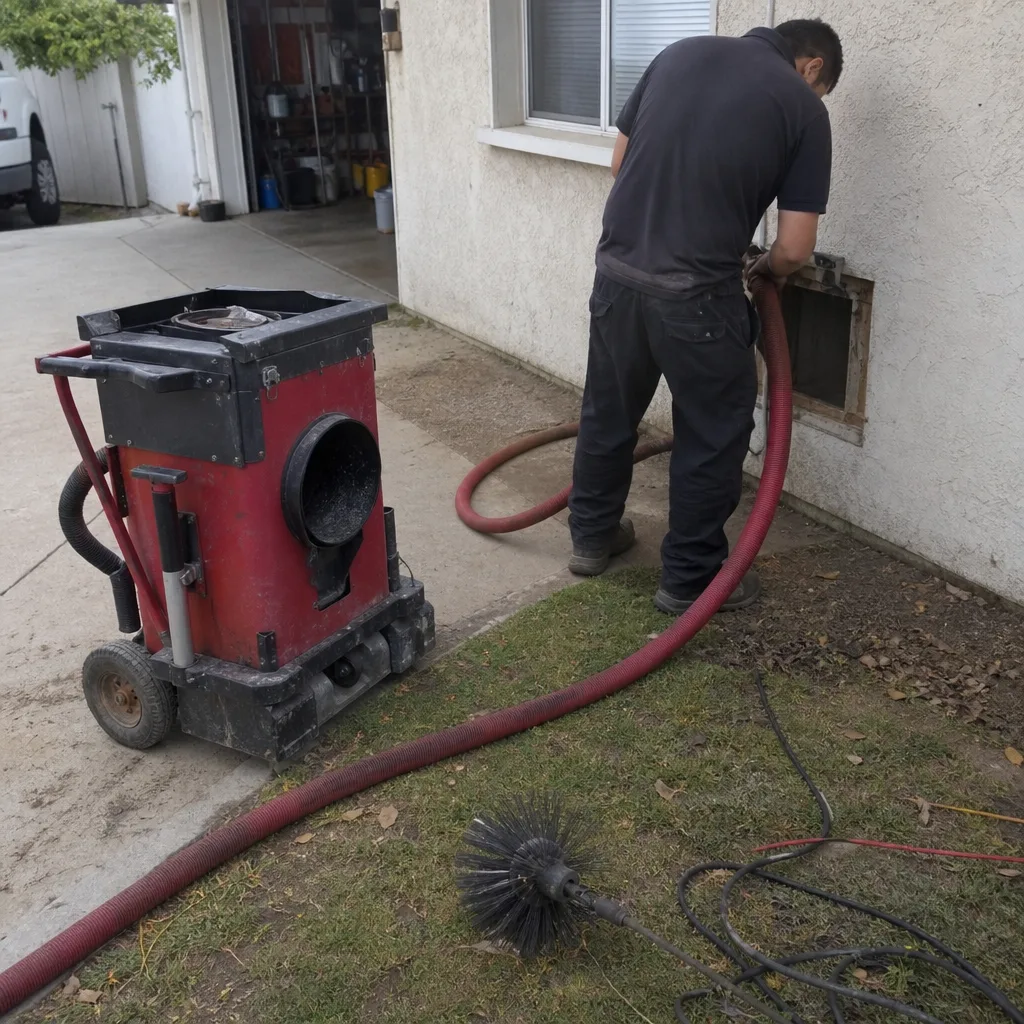 Before
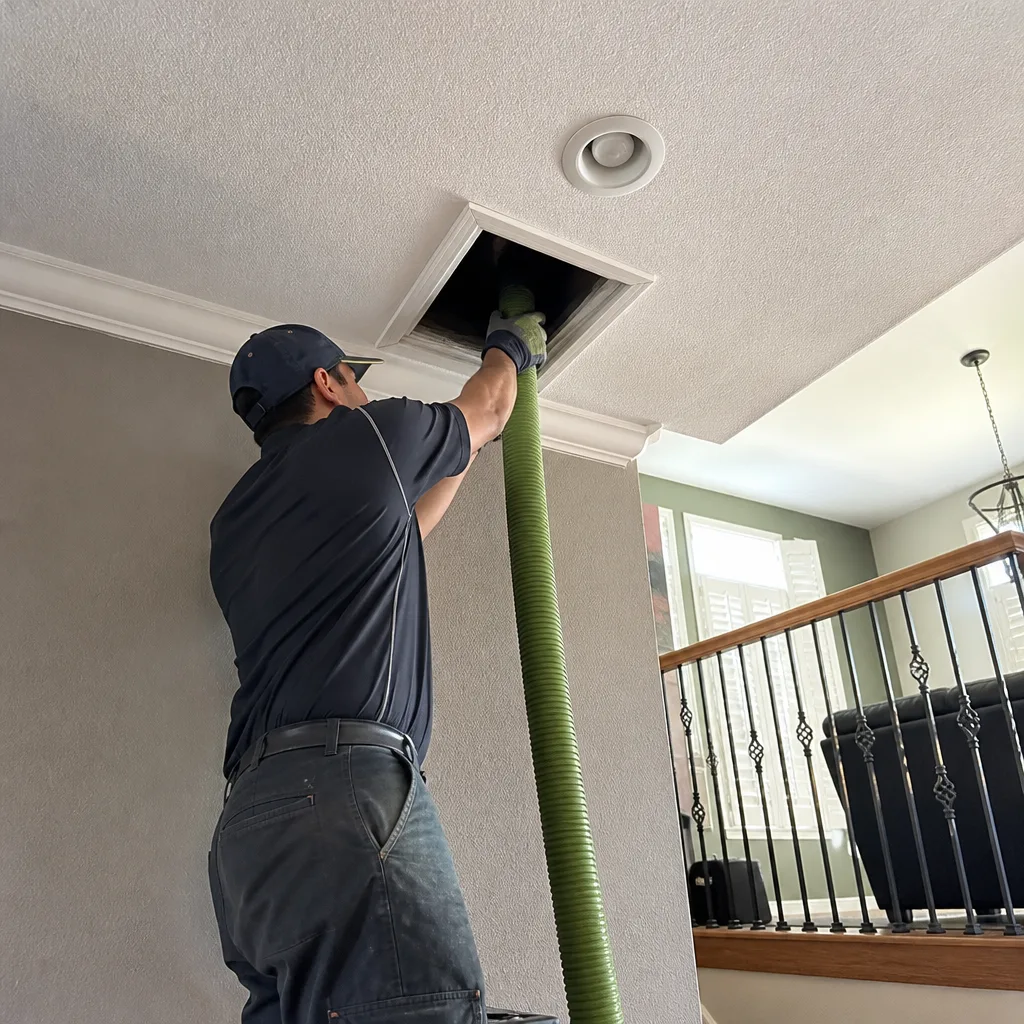 After
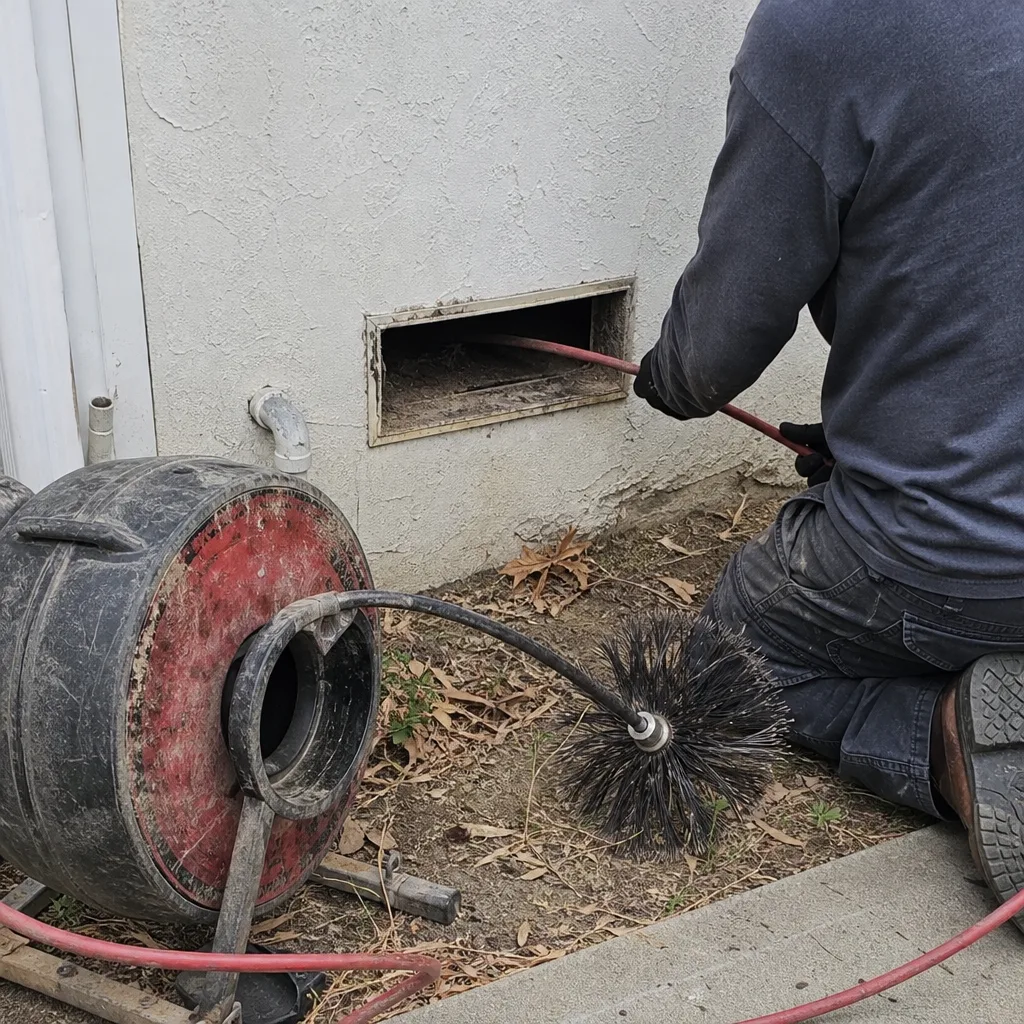 Before
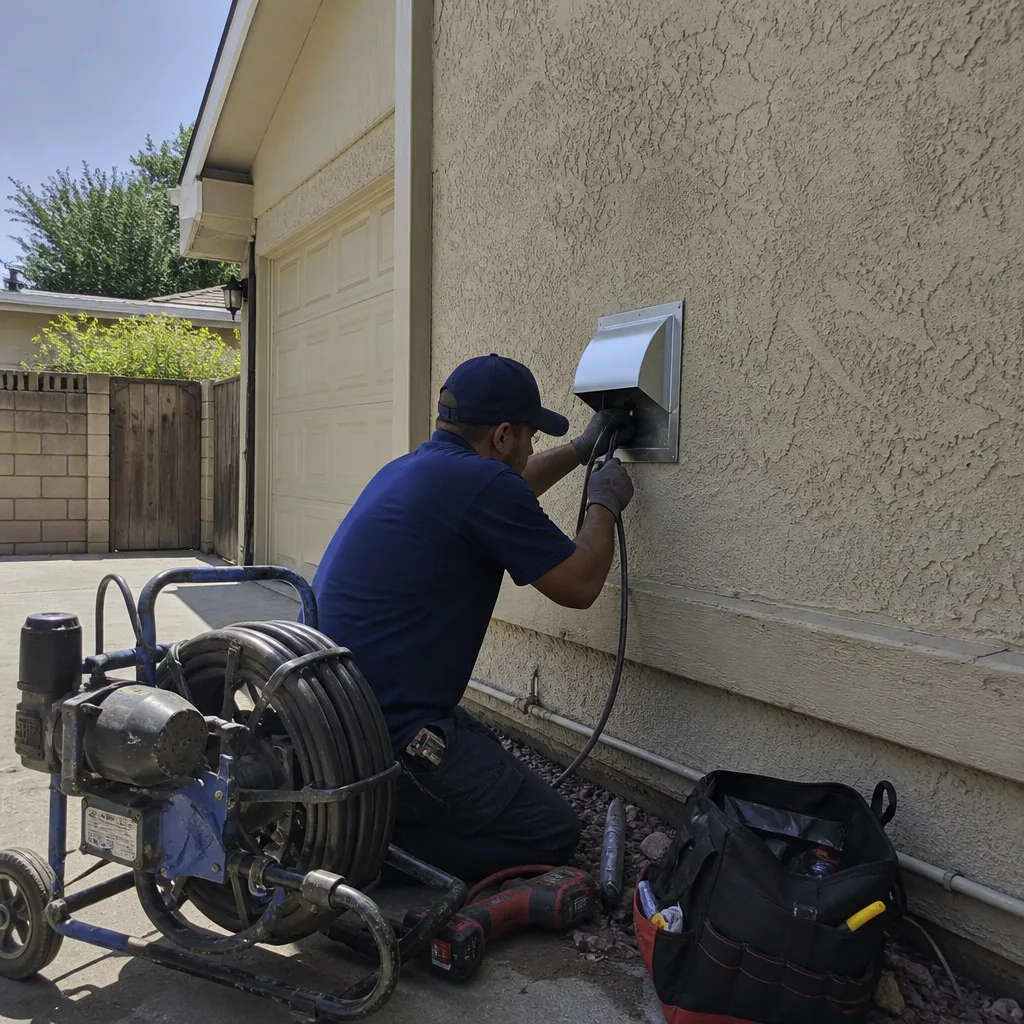 After
 Before
 After