
Last updated November 2, 2026
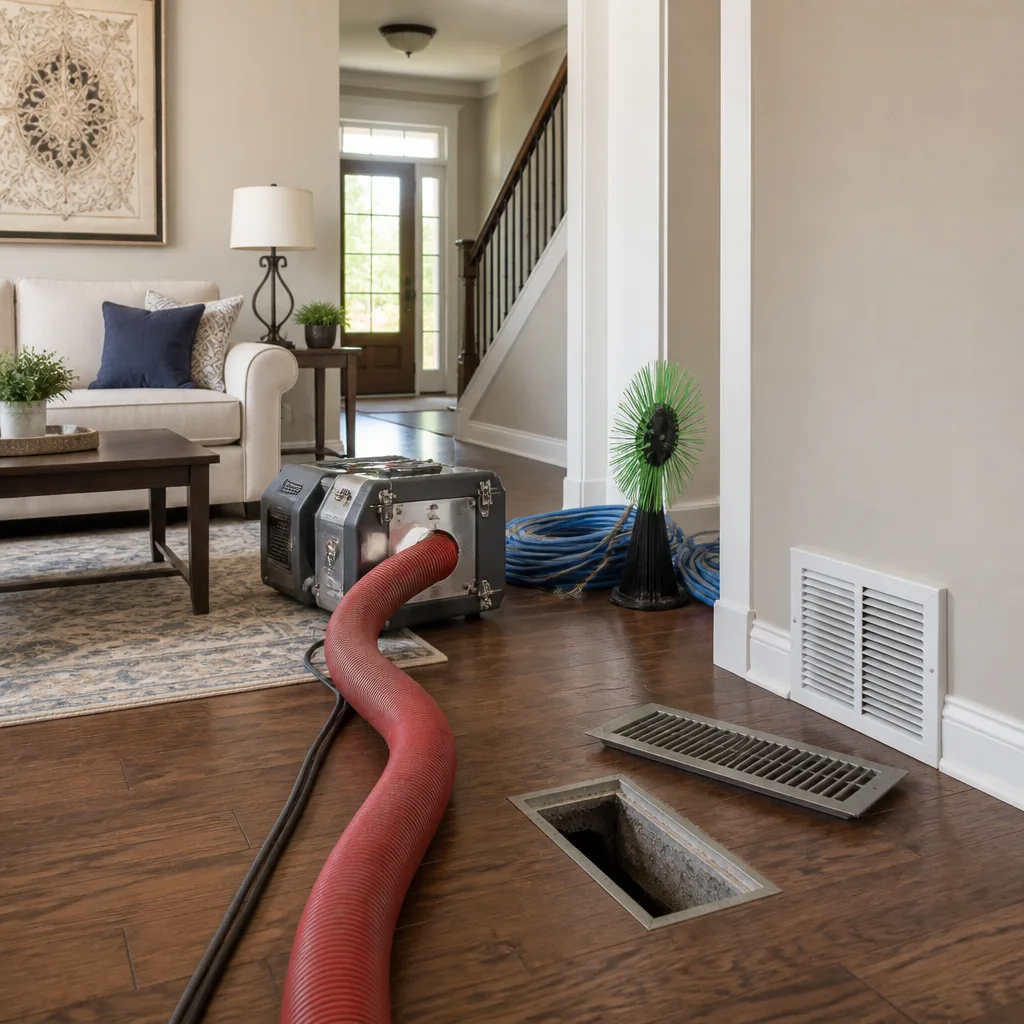 Whole-home duct cleaning
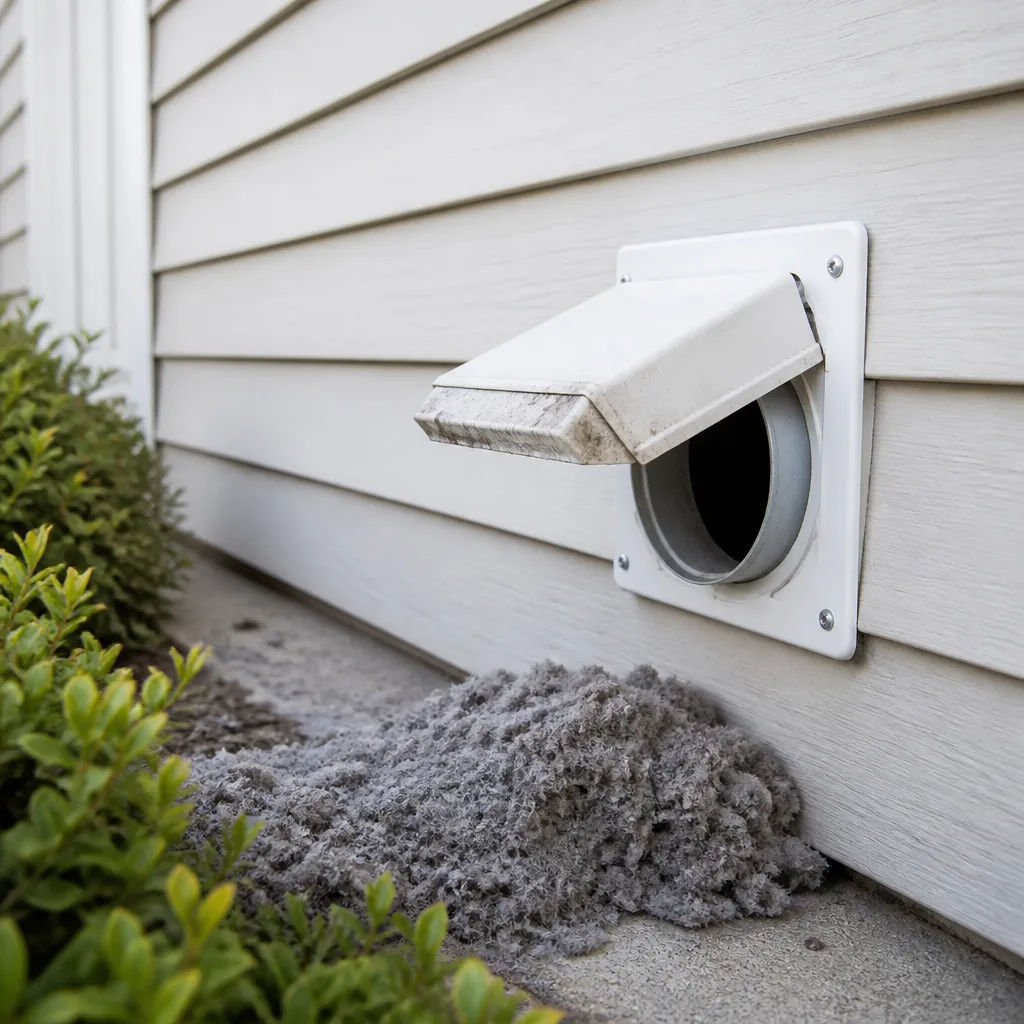 Dryer vent cleaning
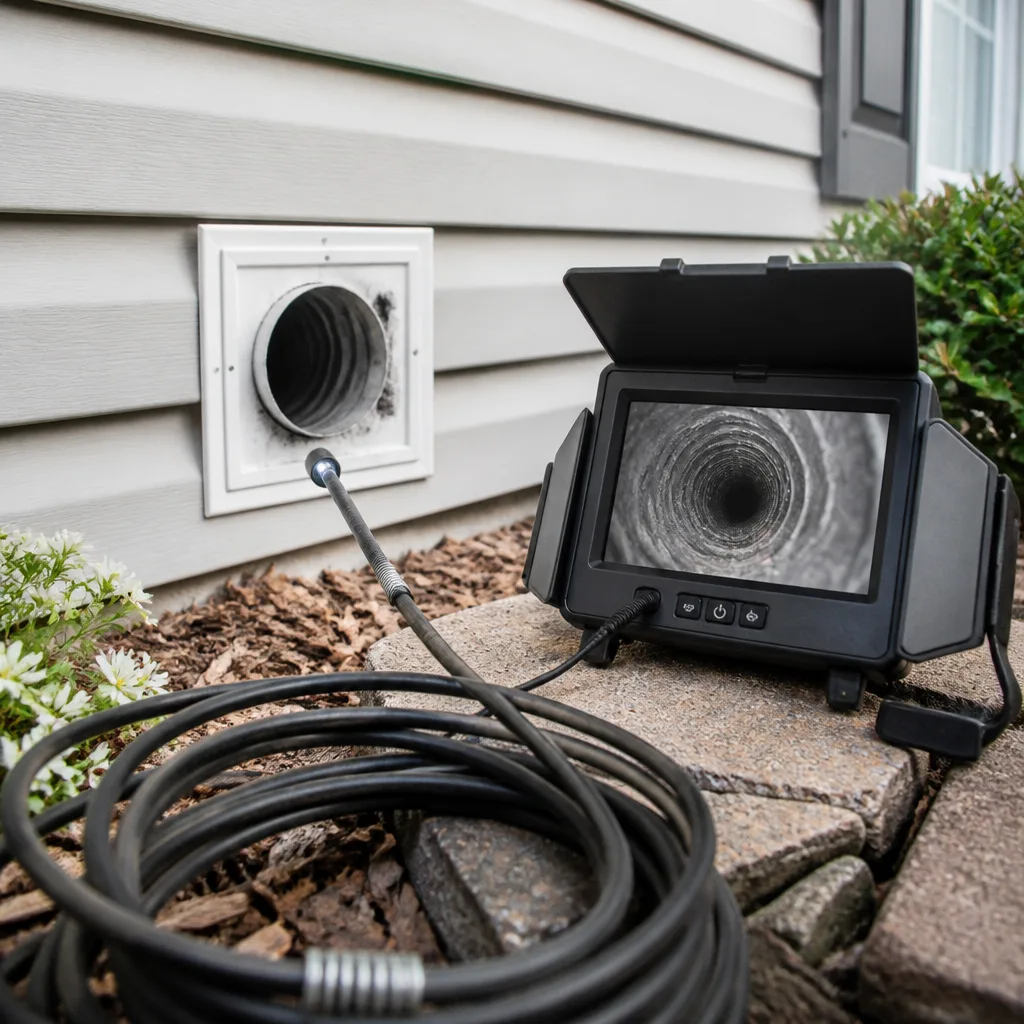 Camera inspection
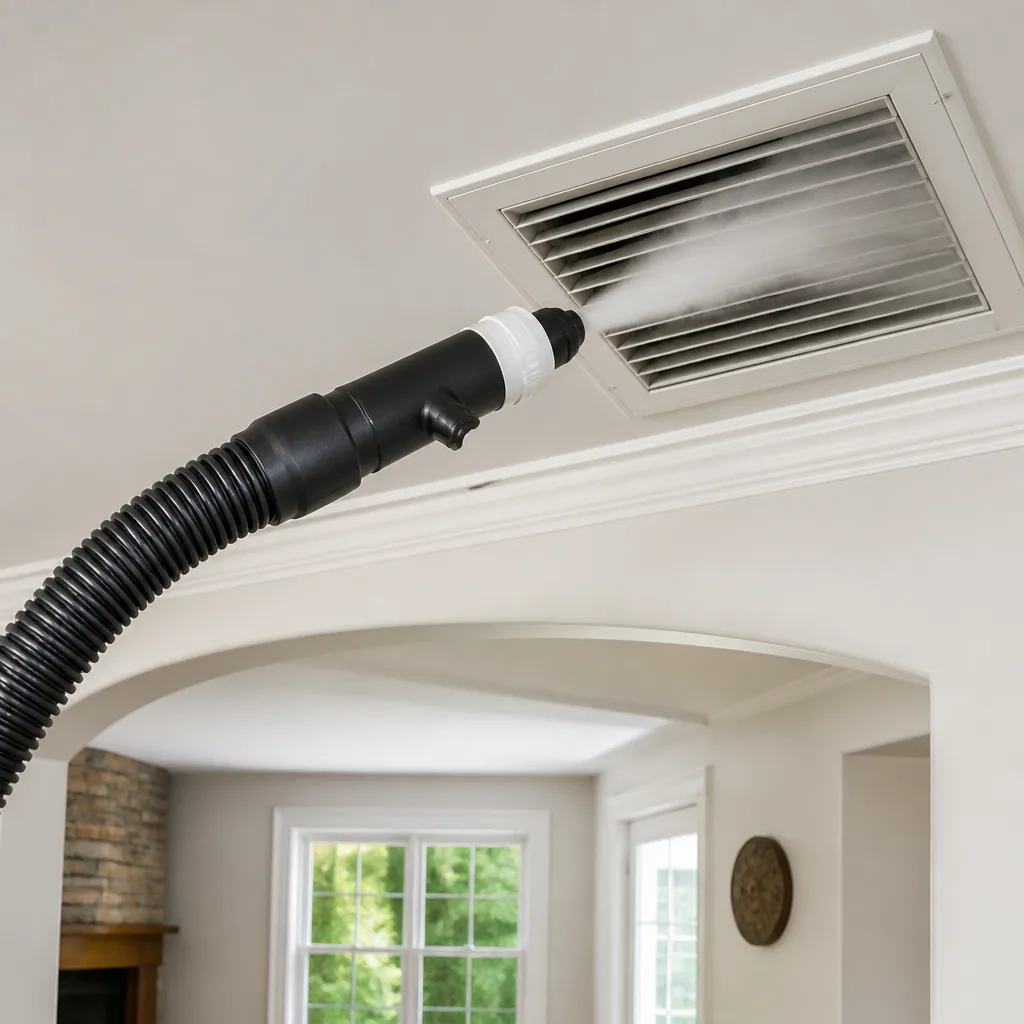 Sanitizing & deodorizing
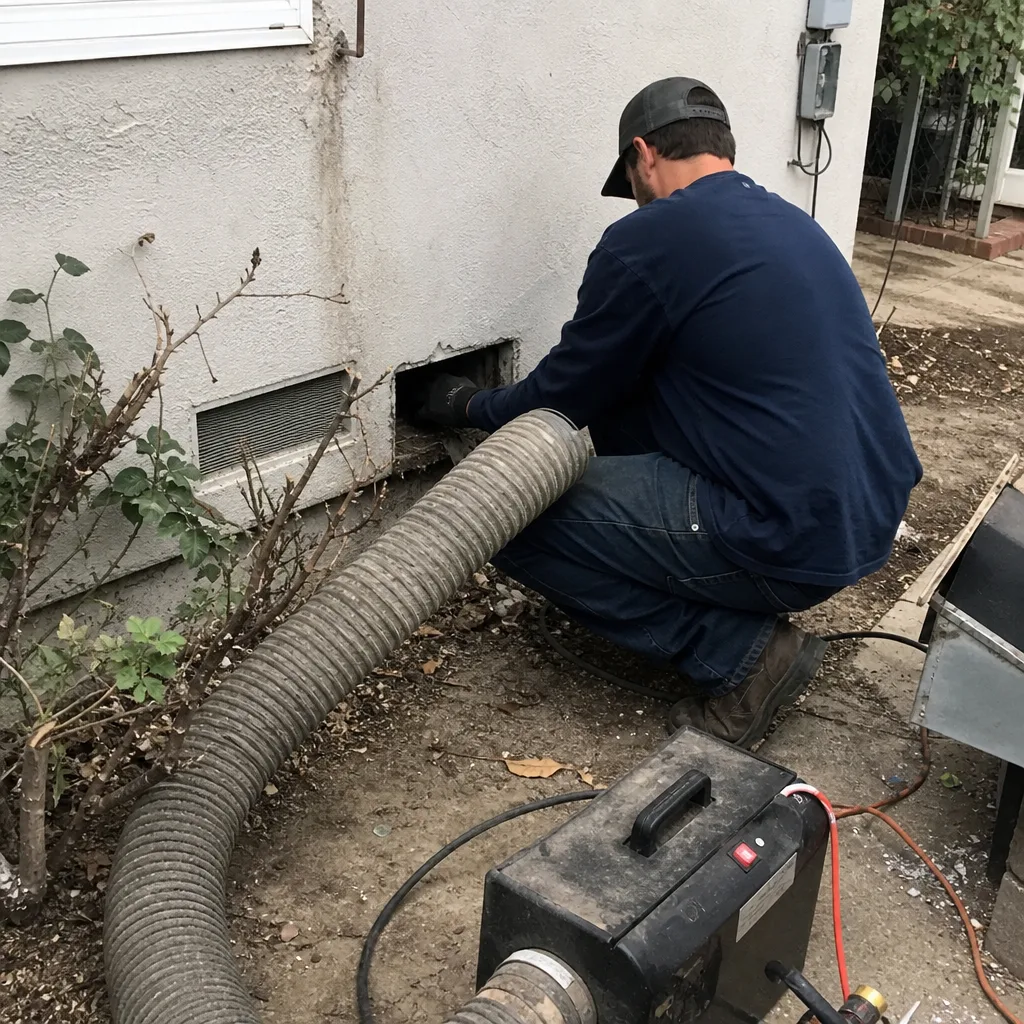
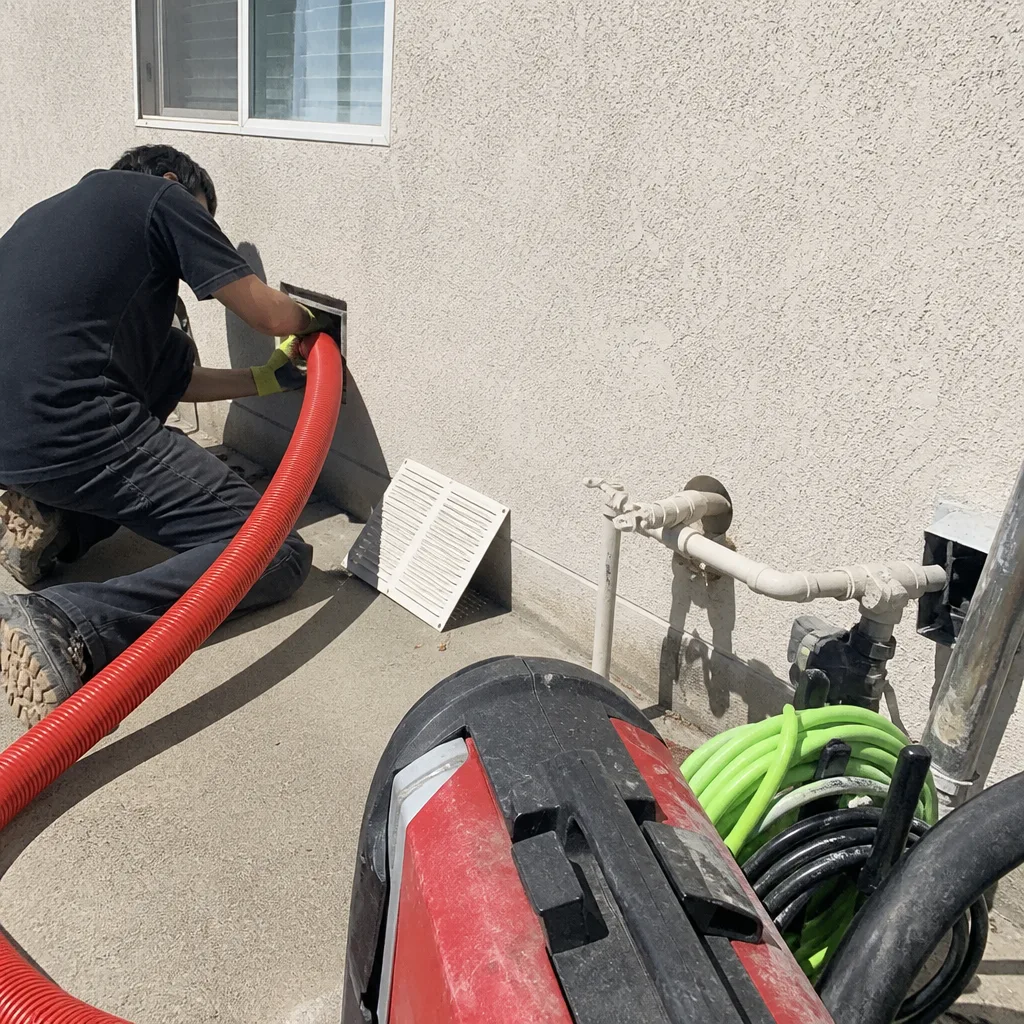
Whole-system duct and dryer vent check with before-and-after photos - you see exactly what came out of your vents
That "$99 whole-house special" is a bait ad - the real number appears once they are in your hallway, or the "clean" is a shop-vac at the register. We photograph the inside of your ducts before and after instead.
Air Duct Cleaning Troubleshooting: Common Problems and How to Fix Them
If one room in your house stays 8 degrees hotter than the rest no matter how long the AC runs, there’s a strong chance the problem isn’t dirty ducts. It’s a duct leak, a damper failure, or a return-air sizing issue that a cleaning crew will walk right past. After years of inspecting ductwork across Valley Hi, we’ve learned that most airflow complaints get misdiagnosed as “dirty ducts” when the real culprit is mechanical. This guide walks you through symptom-by-symptom diagnosis so you can figure out what’s actually wrong before anyone puts a brush in your system. You’ll learn how to tell the difference between debris buildup, duct collapse, undersized returns, and post-cleaning failures, and when cleaning is the right call versus when you need air duct repair in Valley Hi instead.
Styles & brands we work with
- Whole-home duct cleaning
- Dryer vent cleaning
- Camera inspection
- Sanitizing & deodorizing
Quick Answer
Most duct problems fall into four categories: airflow restriction (uneven temps, weak vents), air quality issues (dust, musty smells), mechanical failures (collapsed or disconnected ducts), and system design flaws (undersized returns, imbalanced dampers). Figuring out which category you’re dealing with determines whether cleaning, repair, or both is the right fix. In Valley Hi’s dry, dusty climate, we see all four regularly, often in combination.
Table of Contents
- Symptom-to-Root-Cause Mapping: What Each Problem Actually Means
- Musty Smell: Mold, Moisture, or Something Dead?
- Uneven Room Temperatures: Leaks, Dampers, and Return Air
- Visible Dust Around Vents: What It Signals and What It Doesn’t
- High Energy Bills: The Ductwork Connection
- How to Check Restricted Airflow Before You Call Anyone
- Post-Cleaning Complaints: When the Dust Returns or the Smell Lingers
- Static Pressure Testing: The Number That Confirms the Fix
- Common Mistakes to Avoid
- When to Call a Professional
- Frequently Asked Questions
- The Bottom Line
Symptom-to-Root-Cause Mapping: What Each Problem Actually Means
Every duct complaint traces back to one of four underlying problems. The symptom you notice is rarely the problem itself. Here’s the mapping we use on every diagnostic call in Valley Hi:
- Musty smell from vents → Moisture in the ductwork, organic material in the system, or a dead pest. Not always mold. Cleaning may or may not fix it.
- One room hot, another cold → Airflow imbalance caused by leaks, closed/ failed dampers, disconnected duct sections, or an undersized return. Cleaning won’t change this.
- Dust appearing on surfaces within days of cleaning → Either the cleaning was incomplete, the return side is leaking and pulling attic dust, or the filter is the wrong MERV rating for the system.
- Electric bill creeping up while comfort drops → The blower is working harder against restricted airflow or leaking conditioned air into the attic. Sometimes debris-related, often mechanical.
- Vents blow weak air even with a new filter → Debris buildup, crushed flex duct, a collapsed internal liner, or a return that can’t supply enough air to the blower.
Here’s the thing we tell every homeowner in Valley Hi: cleaning removes what’s inside the ducts. It does not fix what’s wrong with the ducts. If your system has a 6-inch flex run that’s kinked behind a beam, no amount of brushing will restore airflow through it. That’s why we inspect before we clean and why we’re equally comfortable recommending professional air duct repair when the problem demands it.
Musty Smell: Mold, Moisture, or Something Dead?
A musty smell coming from your vents when the system runs points to moisture or organic material somewhere in the airflow path. The smell alone doesn’t tell you which. Here’s how to narrow it down:
- Smell only when AC runs, gone when off → The odor source is inside the ductwork or the evaporator coil housing. Moisture condensing on the coil during cooling cycles supports microbial growth on dust that’s accumulated there.
- Smell present even when system is off → The source may be standing water in a drain pan, a wet section of duct insulation, or something that died in the duct. Rodents in attic ductwork are common in Valley Hi, especially in older homes with original metal duct runs.
- Smell gets worse after rain → You likely have a roof leak above the duct run or a condensation issue where humid attic air meets cold duct surfaces. The smell is wet insulation or drywall dust inside the duct, not necessarily mold.
- Smell strongest at one vent only → The problem is localized to that branch run. Check that register for moisture staining around the opening and inspect the boot (the metal fitting behind the register) for rust.
What does mold in ductwork actually look like? In our experience cleaning systems across Valley Hi, true mold growth inside ducts is less common than people fear. When it’s there, it appears as flat, dark patches on the duct interior, often around joints where condensation forms. It does not look like the gray dust that accumulates on vent louvers. If you see black fuzz on the inside of a supply register, that’s often just surface dust with a moisture history. Proper diagnosis matters because mold on the duct surface may require more than cleaning. Heavily contaminated sections sometimes need encapsulation or replacement, which is structural air duct repair, not a cleaning task.
One important note: if you have confirmed mold in your ducts, a standard cleaning that doesn’t include proper containment can spread spores through the living space. That’s one reason we use Abatement Technologies negative-air containment on jobs where contamination is present. The debris and spores dislodged during cleaning get pulled into a filtered exhaust rather than blown through the house. For most Valley Hi homes, though, the musty smell traces back to moisture, and the fix starts with finding where the water is coming from, cleaning the affected section, and then addressing the source so it doesn’t return.
Uneven Room Temperatures: Leaks, Dampers, and Return Air
Uneven room temperatures are the number-one complaint we hear in Valley Hi, and they are almost never fixed by duct cleaning alone. When one bedroom stays 8 degrees warmer than the hallway in August, the system is losing or misdirecting conditioned air before it reaches that room. Here are the causes in order of frequency:
- Duct leakage at joints and connections. In older Valley Hi homes with metal duct runs, the seams between duct sections loosen over decades. As air moves toward a distant register, up to 20-30% can escape into the attic through unsealed joints. The rooms closest to the air handler get strong flow; the furthest rooms get whatever pressure is left.
- Failed or closed balancing dampers. Dampers are the metal flaps inside branch ducts that allow airflow adjustment. They rust, seize, or get accidentally closed during renovations. A stuck damper can cut airflow to a room by half or more, and no cleaning will move it.
- Disconnected or collapsed flex duct. In newer Valley Hi homes built with flexible duct runs, a duct can separate from its boot at a register connection, or get crushed by a contractor crawling through the attic. The room gets almost no air because the air is dumping into the attic instead.
- Undersized or blocked return air. Supply air only reaches a room if air can also leave it. If a bedroom door is closed and there’s no return path (or the door undercut is too small), the room pressurizes and supply airflow drops dramatically. In homes where we find every bedroom starved for air, the return duct system is often undersized for the blower. This is a design issue that duct cleaning cannot touch.
Before you call anyone, try this 5-minute test. Close the door to the problem room and feel the gap under the door with the system running. If you feel strong air pushing out from under the door, the room has a return path problem. If the airflow from the vent itself is weak with the door open, the issue is supply-side (leak, damper, or collapse). This simple distinction saves you from paying for a cleaning that won’t change the outcome. When we diagnose airflow issues in Valley Hi, we always check both sides of the system, because a supply-only fix on a return-limited room does nothing.
Visible Dust Around Vents: What It Signals and What It Doesn’t
Dark streaks on the wall above a supply register, or dust accumulating on furniture near a vent, lead many homeowners to assume their ducts are packed with dirt. That’s sometimes true. Often it’s not. Here’s how to interpret what you’re seeing.
Dust appearing on the ceiling or wall immediately around a register is usually caused by a localized pressure or temperature difference, not a dirty duct. As cold air exits the vent, it cools the surrounding surface, which attracts airborne dust particles through electrostatic attraction. The dust was already in the room; the register is just where it chose to land. This pattern is especially common in Valley Hi during the dry season when low humidity allows fine particulates to stay suspended longer.
Dust blowing visibly out of a vent when the system starts up is a different signal. If you see puffs of debris at startup, the system has a significant accumulation somewhere in the supply run or the blower cabinet. This does call for cleaning, and it also calls for an inspection of the filter situation. Here’s the pattern we see repeatedly in Valley Hi: homeowners install high-MERV filters (MERV 11 or 13) in systems that were designed for basic MERV 8 filters. The higher restriction drops airflow, which causes the blower to pull harder, which in some designs pulls dust in from any available gap, including the return duct joints. The fix is a filter matched to the system’s static pressure tolerance, which sometimes means using a Honeywell media cabinet designed for the higher MERV rating rather than stuffing a dense pleated filter into a 1-inch slot.
If dust reappears on furniture within two or three days of a professional cleaning, something was missed or the return side is leaking. A legitimate cleaning removes the debris that was inside the ducts. It cannot stop new dust from entering through return-side leaks in the attic. In our practice, when we clean a system in Valley Hi and dust still appears quickly afterward, we go back and pressure-test the return runs. More often than not, there’s a disconnected return duct pulling unfiltered attic air into the system. That’s an air duct repair issue, not a cleaning deficiency.
High Energy Bills: The Ductwork Connection
When your electric bill climbs 20-30% in a single summer without a corresponding change in usage, your ductwork is a prime suspect. Any time conditioned air leaks into the attic or the blower works against restricted airflow, energy consumption rises measurably.
The mechanism is simple. Your HVAC system is designed around a specific airflow volume, typically 400 cubic feet per minute per ton of cooling. When ducts leak, that air volume never reaches the living space, so the system runs longer to satisfy the thermostat. When ducts are restricted by debris, crushed sections, or an overly restrictive filter, the blower motor draws more power pushing against the resistance. Either way, the unit runs harder and longer for the same comfort result.
We’ve measured supply-duct leakage in Valley Hi homes at 25% or more in older systems. That means for every four dollars of conditioned air your system produces, one dollar’s worth is blowing into the attic. Sometimes a cleaning restores airflow and reduces the run time. More often, the fix combines cleaning with sealing and repair. The difference between the two approaches shows up in the utility bill. A cleaning-only approach on a leaking system will produce little or no savings because the air is still escaping, just with less debris along for the ride.
There’s also a quieter efficiency factor in Valley Hi: our cooling season runs March through October, and those long run times accumulate debris faster than in milder climates. A system that’s never been cleaned in a 15-year-old Valley Hi home typically carries several pounds of fine dust and construction debris in the return plenum alone. That added restriction isn’t trivial. After we clean a system, homeowners frequently report the AC reaching setpoint in less time and the blower sounding noticeably different. You can’t hear restriction until it’s gone.
How to Check Restricted Airflow Before You Call Anyone
You can perform a meaningful airflow assessment on your own before spending money on any service. Here’s the step-by-step method we recommend to every Valley Hi homeowner who calls us with an airflow complaint:
- Replace the filter first. A filter that looks dirty is restricting airflow. Run the system for 24 hours with a fresh filter (correct MERV for your system) before drawing any conclusions. This removes the most common variable.
- Compare airflow at every register. Place a tissue or sheet of paper against each supply vent and note how strongly it lifts. Do this with the system running. Mark any register that’s dramatically weaker than others in the same zone.
- Check return airflow. Place the same tissue against each return grille. It should be pulled firmly against the grille. If the tissue barely moves at any return, that return is blocked or undersized. Note the difference between rooms with doors open versus closed.
- Inspect visible duct sections. In many Valley Hi homes, at least part of the ductwork runs through a garage, closet, or crawlspace where you can see it. Look for collapsed flex runs (the spiral wire should be round, not flattened), disconnected joints, and duct tape that’s peeled away. If you can see a problem, that’s your answer.
- Check the supply register boots. Remove a register cover and reach into the boot with a camera phone. You’re looking for debris accumulation at the base of the boot, which indicates the branch duct is carrying heavy dust. This is what cleaning addresses.
- Feel the temperature at different vents. Supply air should be 15-20 degrees cooler than the return air in cooling mode. If one vent delivers air that’s significantly warmer, that duct run may be pulling attic air, or the run is so long and uninsulated that the air warms in transit. This is a leak or insulation problem, not a cleanliness problem.
If your testing points to weak airflow with no visible duct damage and a clean filter, that’s when we’d recommend a professional assessment that includes static pressure measurement. If your testing points to visible damage (crushed duct, disconnected joint), skip the cleaning estimate and look at air duct repair first. Cleaning a broken duct is like vacuuming a carpet with a hole in the floor underneath.
Post-Cleaning Complaints: When the Dust Returns or the Smell Lingers
One of the most frustrating situations we encounter in Valley Hi is a homeowner who paid for duct cleaning, only to see dust still appearing a week later, or to notice the musty smell never went away. These complaints are almost always explainable, and the explanation usually points to incomplete work or a missed diagnosis. Here’s what each complaint typically means:
Dust still blowing after cleaning. The cleaning was incomplete, or the system is pulling new dust in through return-side leaks. A legitimate professional cleaning removes debris from the supply runs, return runs, plenums, coil, and blower. If any section was skipped, residual dust will continue to circulate. But if the cleaning was thorough and dust still appears, the return side is leaking attic air into the system. The vacuum created by the blower pulls unconditioned, unfiltered attic dust through any gap in the return duct, and that dust goes straight to the supply registers. No amount of cleaning fixes a return leak. The leak has to be sealed or the section repaired.
Musty smell persists after cleaning. The source of the odor was either not reached or not removed. If the smell originates from microbial growth on the evaporator coil, and the coil wasn’t cleaned, the odor remains. If the smell comes from a dead pest in a section of duct that wasn’t accessed, it remains. If the smell is coming from wet insulation surrounding the duct, cleaning the interior does nothing. Persistent smell after cleaning demands a re-inspection focused on moisture sources and coil condition.
Airflow is unchanged after cleaning. The airflow restriction was mechanical, not debris-based. The damper is still stuck. The flex duct is still collapsed. The return is still undersized. We say this to every homeowner we visit in Valley Hi: cleaning restores the condition of the duct interior. It does not change the geometry of the duct. If airflow was bad because the duct was crushed, it will still be bad after it’s clean.
This is where equipment matters more than most homeowners realize. A professional cleaning performed with Rotobrush or Nikro systems includes mechanical agitation that knocks debris loose from duct walls, combined with powerful extraction that removes it. A shop-vac-type approach can’t reach deep into branch runs. But even the best cleaning can’t correct a pre-existing airflow defect. The best contractors inspect before cleaning and tell you honestly when cleaning alone won’t deliver the result you’re hoping for. That conversation is part of what separates legitimate work from the $49 special. You can read more about what’s involved in our Air Duct Cleaning in Valley Hi process, including what equipment is used and what a full-system cleaning covers.
Static Pressure Testing: The Number That Confirms the Fix
Static pressure is the measurement of resistance to airflow inside your duct system, expressed in inches of water column. Every blower is designed to operate within a specific static pressure range, typically 0.5 inches for standard systems. When static pressure exceeds the design limit, the blower works harder, airflow drops, and components wear faster.
Here’s the practical value of static pressure testing in a troubleshooting context: it gives you a before-and-after measurement that confirms whether a cleaning or repair actually resolved the airflow restriction. Without a measurement, “better airflow” is subjective. A homeowner might think the airflow improved because the AC happens to be cycling differently that day. A static pressure reading removes the guesswork.
In our practice across Valley Hi, we follow this sequence when a system shows signs of restriction:
- Baseline static pressure test with the existing filter in place. This tells us how much total resistance the system currently faces.
- Test with a new filter of the same MERV rating. If pressure drops significantly, the old filter was the primary restriction.
- Test with the filter removed entirely (temporarily). If pressure remains high with no filter at all, the restriction is in the ductwork itself, not the filter.
- Post-cleaning or post-repair test. If the number drops into the normal range, the fix addressed the right problem. If it doesn’t move, the restriction was never debris-related and we keep looking.
Not every duct cleaning company performs static pressure testing. In our experience, the ones that do are the ones you want in your home, because they can prove their work changed something. Testing is also how we identify homes where a cleaning won’t help. When static pressure stays high after a thorough cleaning, the diagnostic moves to repair: sealing leaks, replacing crushed sections, or adding return capacity. That’s the honest sequence, and it’s why we treat cleaning and repair as parts of the same service rather than separate line items. The goal is a system that moves air correctly, not just a system that looks clean on camera.
Common Mistakes to Avoid
- Assuming every duct problem is fixed by cleaning. Cleaning removes debris. It fixes nothing mechanical. If airflow restriction is caused by a crushed duct, a closed damper, or a disconnected joint, cleaning is wasted money until the mechanical issue is addressed first.
- Using the highest-MERV filter you can find. MERV 11 and MERV 13 filters improve filtration but add significant airflow resistance. In a system not designed for them, they reduce airflow, increase run times, and can actually pull more dust into the system through return leaks. Match the filter to the system, and if you want better filtration, talk to a professional about a proper media cabinet from Honeywell or Aprilaire rather than jamming a restrictive pleated filter into a standard slot.
- Ignoring the return side. Homeowners and many contractors focus entirely on supply ducts. But restricted or undersized returns cause as many symptoms as dirty supply runs. If your house has only one central return and you close bedroom doors at night, the rooms starve for air regardless of how clean the ducts are.
- Accepting a cleaning quote without a pre-inspection. A legitimate company inspects the system before quoting. If someone quotes over the phone without looking at your ductwork, they don’t know what’s in there and the final invoice will likely change once they do.
- Confusing a low price with a good deal. The $49 coupon model in duct cleaning works because the technician finds “problems” that raise the final price several hundred percent. Professional equipment, trained technicians, and proper containment cost real money. A price that doesn’t cover the equipment can’t deliver the cleaning.
- Skipping dryer vent cleaning while diagnosing indoor air issues. Many homeowners in Valley Hi focus on their HVAC ducts while their dryer vent is packed with lint. A clogged dryer vent forces lint into the laundry room air, creates humidity, and presents a fire risk. It’s a separate service from HVAC duct cleaning but often addresses air quality complaints in the laundry area directly. We treat dryer vent cleaning in Valley Hi as fire prevention work, which it is.
- Assuming post-cleaning dust means the cleaning failed. If dust reappears days after a thorough cleaning, the system is pulling new dust in through return-side leaks. Don’t blame the cleaning; investigate the return ducts for gaps and disconnected sections.
When to Call a Professional
Call a professional when your own diagnostic work turns up something you can’t safely reach or conclusively identify. If you’ve replaced the filter, checked the registers, and airflow is still weak in one section of the house, the next step is an inspection with proper tools. If you can see a crushed flex duct or a disconnected joint in an accessible area, that’s a repair call. If you smell gas or suspect a pest died inside the ductwork, don’t wait. If you have a documented mold issue or a persistent smell that survived a professional cleaning, you need someone who can test, contain, and address the source rather than just brush the inside again. Air Duct Cleaning Valley Hi offers free estimates in Valley Hi. Call (833) 399-2759 and we’ll help you figure out what’s actually wrong before anyone charges you for a fix.
Frequently Asked Questions
A legitimate whole-system cleaning in Valley Hi typically runs between $400 and $800 for a standard single-family home, depending on the number of systems, the number of vents, and the level of contamination present. If you’re being quoted under $200 for a “whole house” cleaning, the technician is almost certainly planning to find expensive problems once inside. Call (833) 399-2759 for an honest quote based on an actual inspection, not a phone script.
Cheaper quotes are usually based on a bait-and-switch model where the advertised price covers a minimal service and the technician is incentivized to upsell additional work on-site. Professional cleaning that uses equipment like Rotobrush and Nikro machines, includes full containment, and covers supply runs, return runs, the coil, and the blower costs more because the job takes real time and real equipment. Honest companies quote one price per system and don’t sell per-vent add-ons.
Ask for before-and-after photos of the duct interior from the service provider. Any legitimate company using professional equipment can capture images that show the condition of the duct walls before and after cleaning. You can also visually inspect a few register boots yourself after the service: the boot interior should be free of dust accumulation and the shiny metal should be visible. If the company can’t or won’t provide photos, that’s a red flag.
Most homes benefit from a thorough duct cleaning every 5 to 7 years. Homes with pets, recent renovations, or residents with allergies may need it every 3 to 4 years. In Valley Hi’s dusty climate, we see faster accumulation than in coastal areas. The honest answer is that frequency depends on your specific conditions, not a marketing calendar, and a professional inspection can tell you whether your system actually needs cleaning now or can wait.
Yes, but the mechanism is airflow restriction, not dirt itself consuming energy. When debris builds up in ducts, the blower works against greater resistance, which increases power draw and extends run times to reach the thermostat setting. In Valley Hi’s long cooling season, that added runtime shows up on SMUD bills. The bigger efficiency losses, though, usually come from duct leaks and design problems rather than debris alone.
No. Dryer vent cleaning is a separate service that addresses the exhaust duct running from your dryer to the exterior. It’s a fire-prevention task driven by lint accumulation, not an indoor air quality measure. We perform dryer vent cleaning in Valley Hi as its own service with its own inspection process, because a clogged dryer vent is a documented fire risk that has nothing to do with your HVAC system but deserves the same seriousness. Call (833) 399-2759 to schedule either service.
Supply ducts carry conditioned air from your HVAC unit to the living spaces; return ducts pull air from the living spaces back to the unit to be conditioned again. Many airflow problems come from the return side being ignored. If returns are undersized or blocked, supply airflow drops regardless of how clean the supply ducts are. Any legitimate inspection evaluates both sides of the system.
The Bottom Line
Duct troubleshooting comes down to honest cause-finding before any service happens. Dirty ducts cause some problems; damaged, leaking, or badly designed ducts cause others. The two require completely different responses, and confusing them costs you money and comfort. If you’re dealing with weak airflow, persistent smells, or dust that won’t quit, start with the free checks outlined in this guide. Replace the filter. Check the returns. Note which vents struggle. Then call someone who will inspect before they quote and measure after they clean. Air Duct Cleaning Valley Hi has built its whole approach around that sequence in Valley Hi because it’s the only one that actually works.
Written by the team at Air Duct Cleaning Valley Hi, serving Valley Hi since 2018.
See the difference
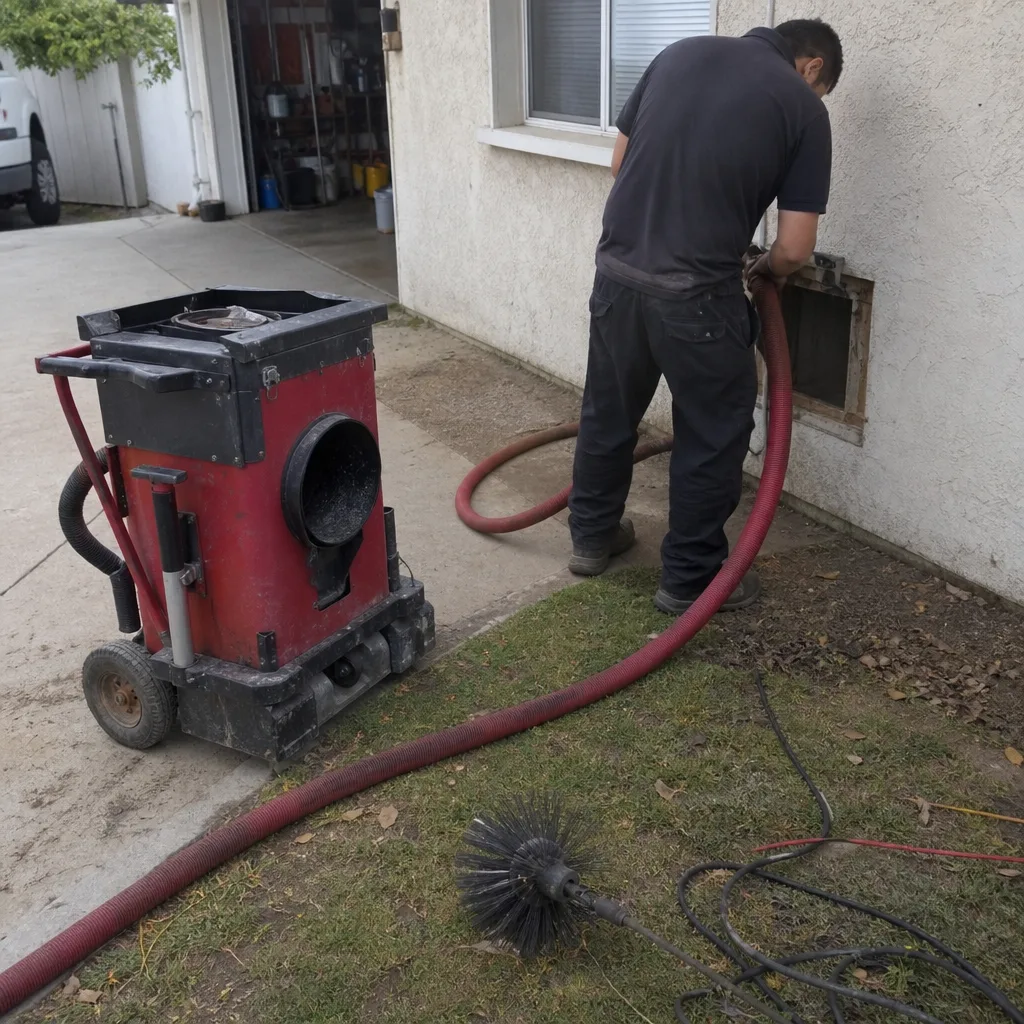 Before
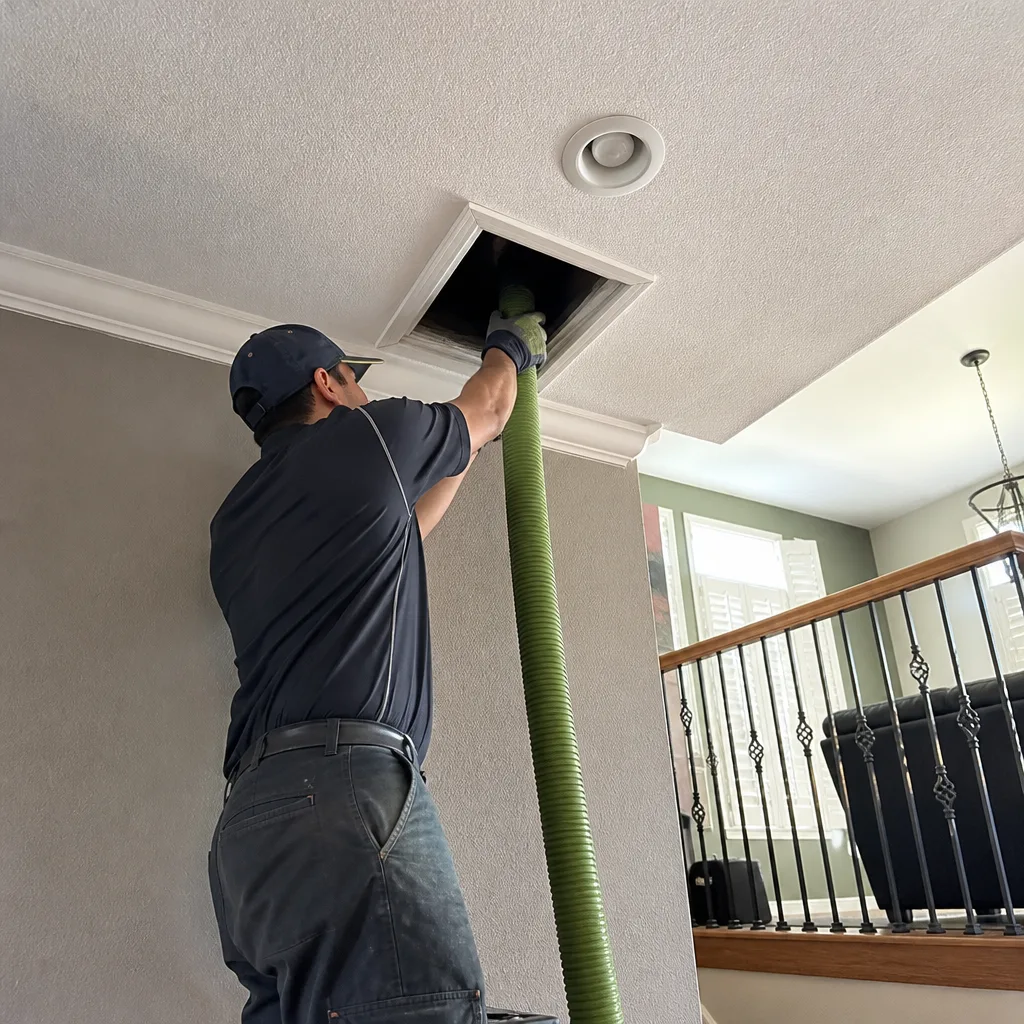 After
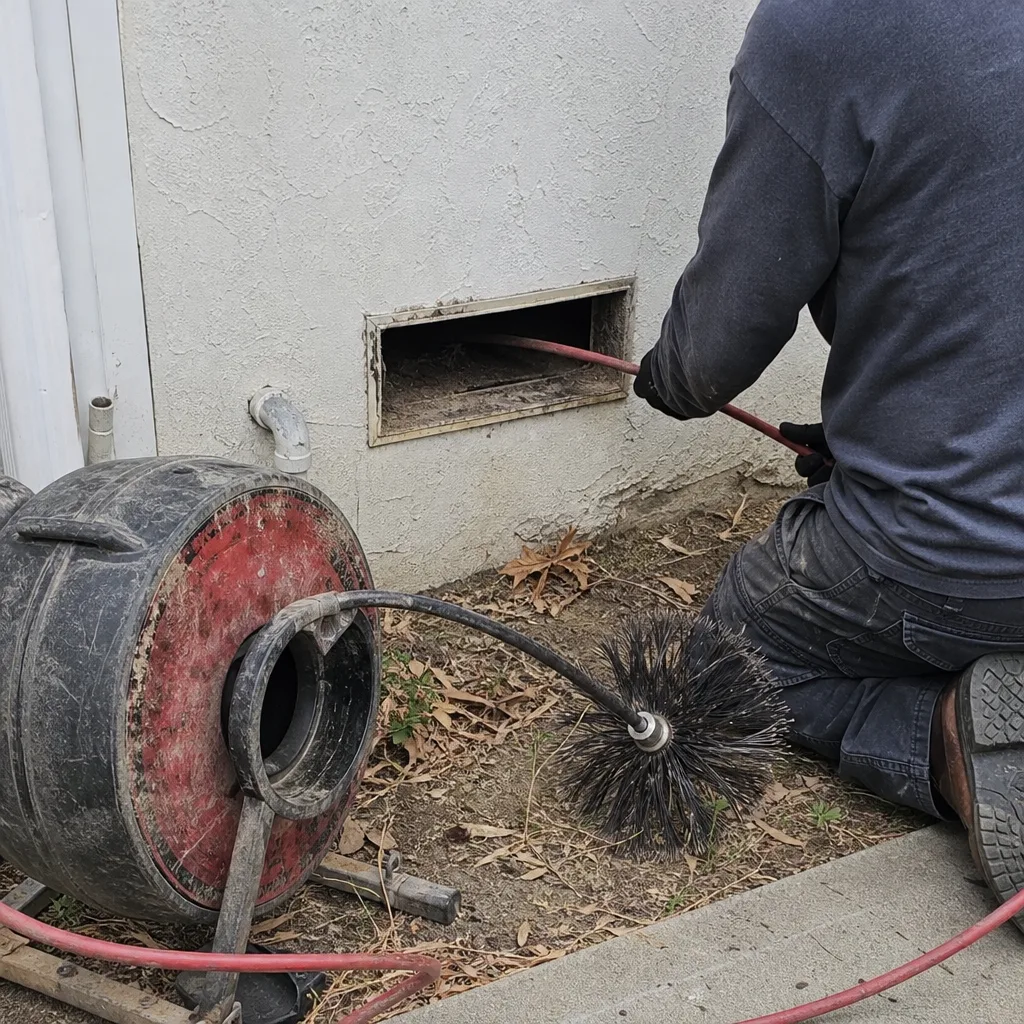 Before
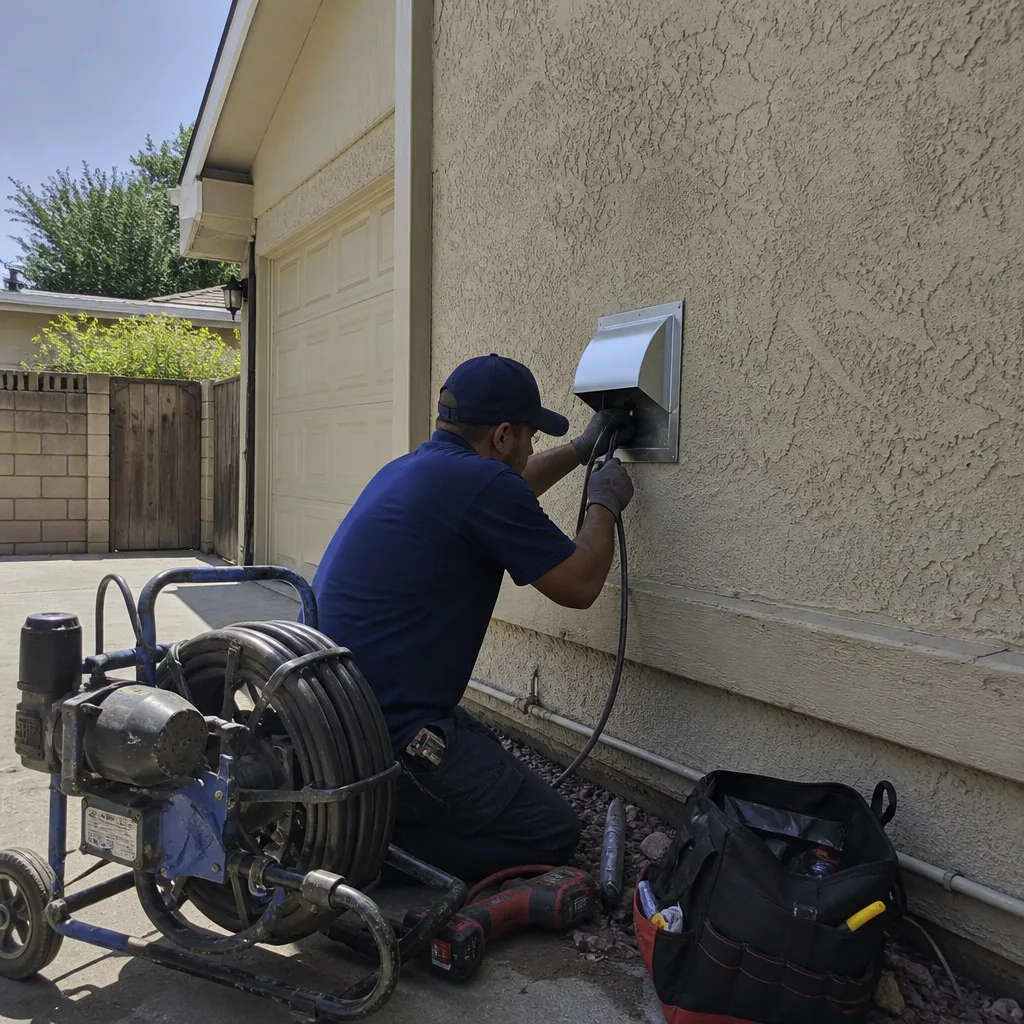 After
 Before
 After