
Last updated November 2, 2026
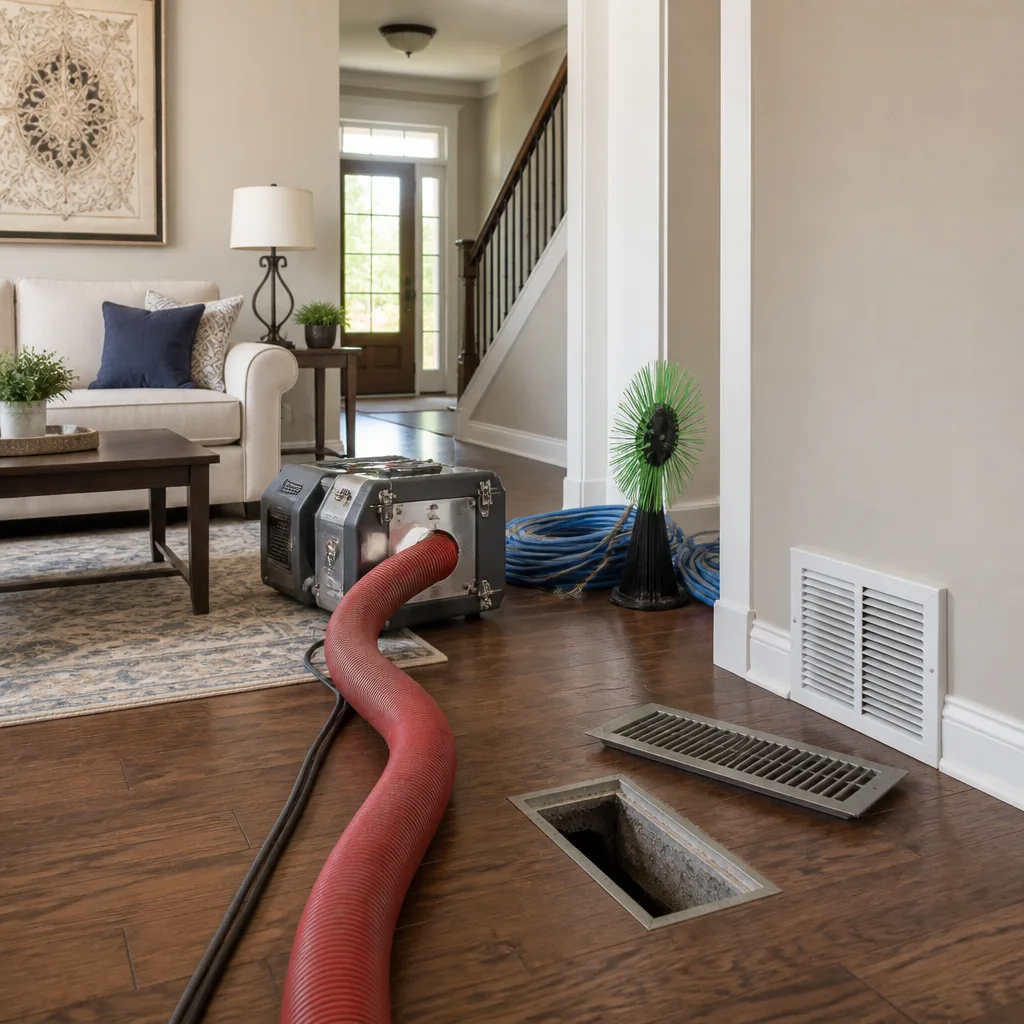 Whole-home duct cleaning
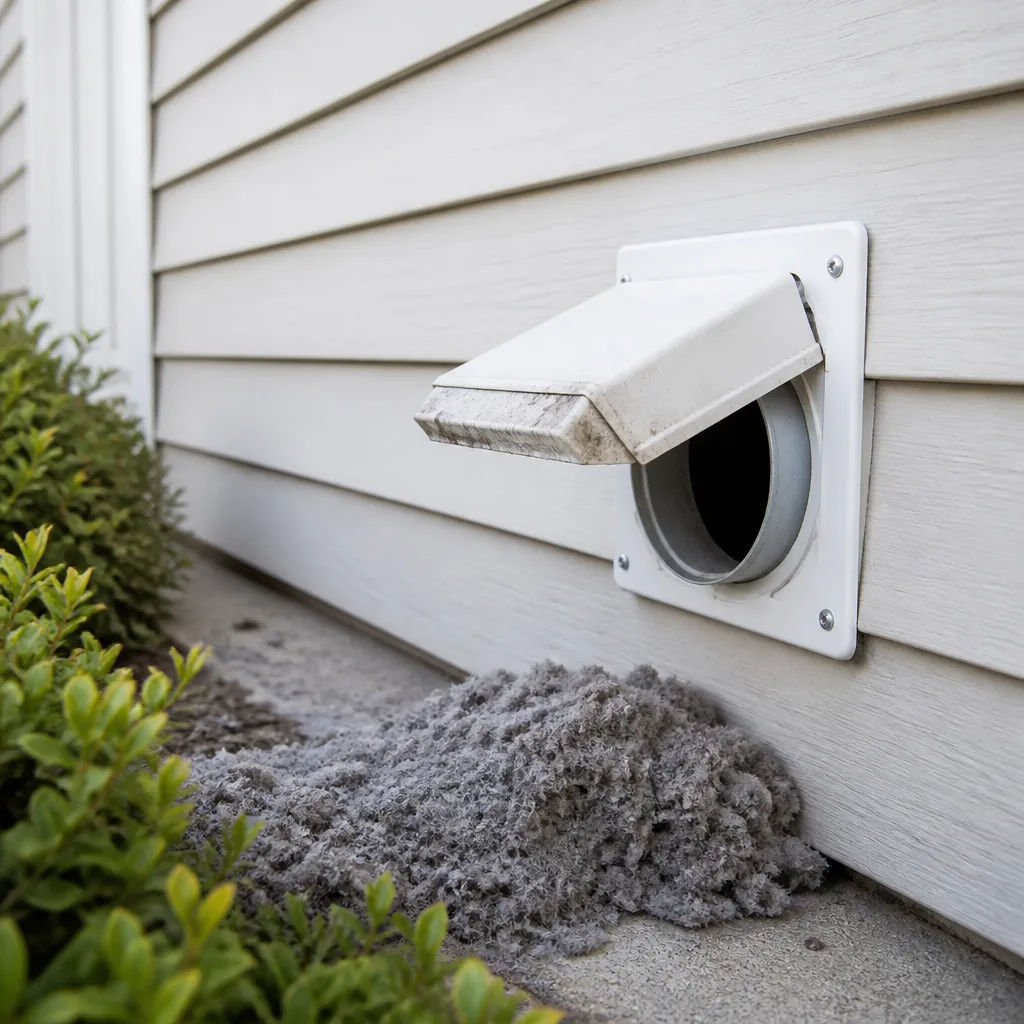 Dryer vent cleaning
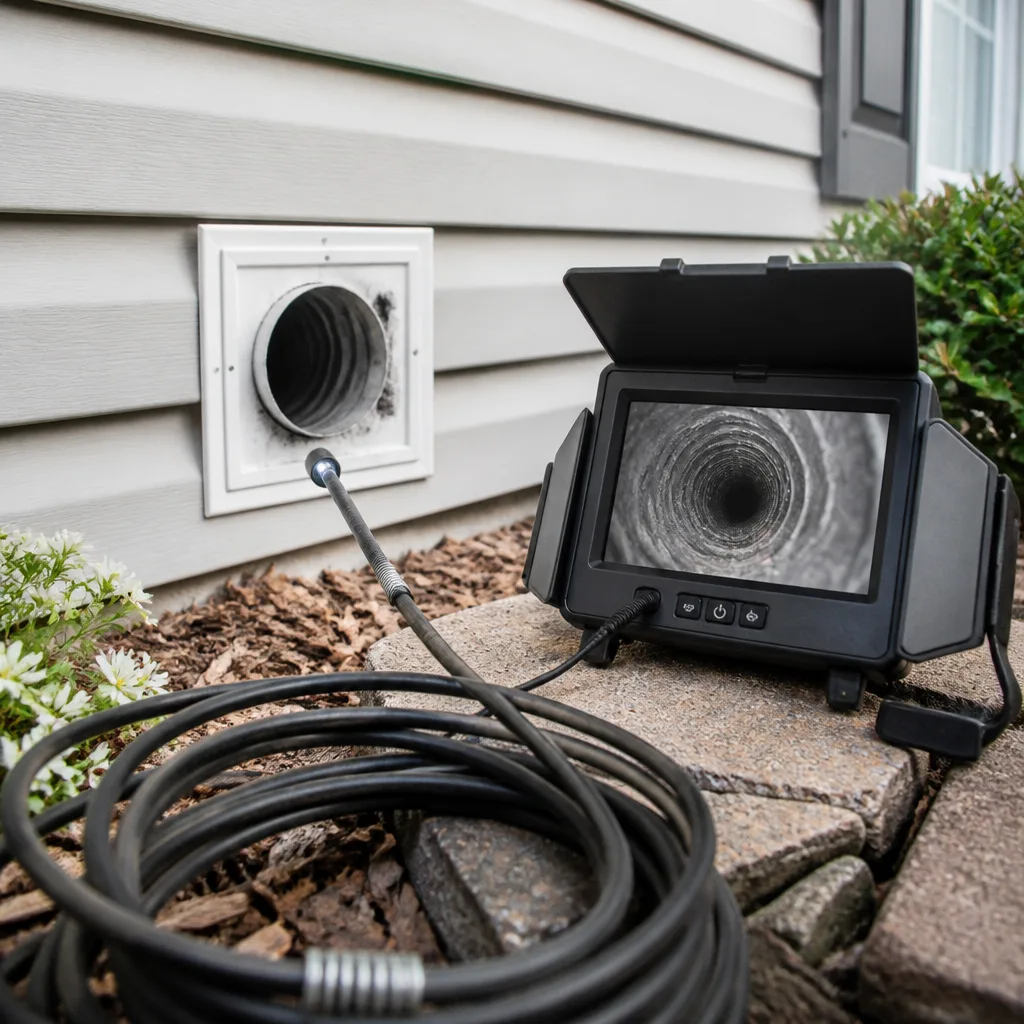 Camera inspection
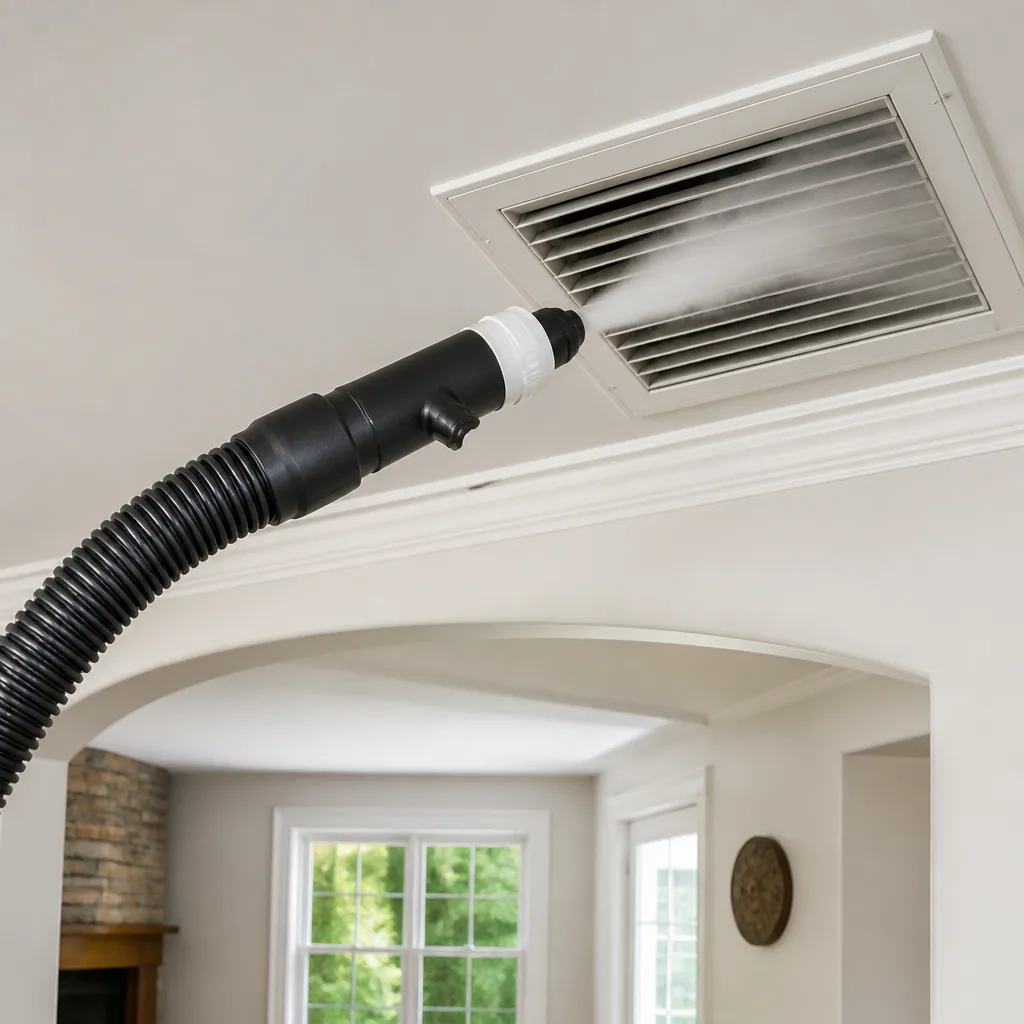 Sanitizing & deodorizing
Whole-system duct and dryer vent check with before-and-after photos - you see exactly what came out of your vents
That "$99 whole-house special" is a bait ad - the real number appears once they are in your hallway, or the "clean" is a shop-vac at the register. We photograph the inside of your ducts before and after instead.
Air Duct Cleaning Warning Signs: A Valley Hi Homeowner’s Reference Guide
Here’s the thing most homeowners in Valley Hi don’t realize: by the time you see visible dust blowing from your registers, the buildup inside your ductwork has been accumulating for years. The early indicators aren’t visual. They’re mechanical, environmental, and financial. A slightly longer HVAC runtime here, a room that never quite cools there, a filter that’s dirtier than it should be after two weeks. Those are the signals that show up months or even years before the obvious symptoms. This guide walks through what those early warning signs look like, what they mean, and when they warrant a closer look at your duct system.
Styles & brands we work with
- Whole-home duct cleaning
- Dryer vent cleaning
- Camera inspection
- Sanitizing & deodorizing
Quick Answer
The earliest warning signs you need air duct cleaning in Valley Hi are HVAC runtime creep, airflow imbalance between rooms, and filters loading faster than your normal baseline. Visible dust, musty odors, and allergy flare-ups are late-stage indicators that mean the buildup has already reached a problematic level. If you’re changing filters more often than usual or some rooms consistently struggle to hold temperature, your ducts are likely carrying a debris load worth inspecting.
Table of Contents
- Your Energy Bill Is the First Diagnostic Tool
- Filter Loading Rate: The Cheapest Test You’ll Ever Run
- Airflow Imbalance: When Rooms Stop Cooperating
- HVAC Runtime Creep: What Your Thermostat Is Trying to Tell You
- Smell Diagnostics: Musty, Acrid, and Metallic Odors Explained
- Valley Hi-Specific Events That Should Trigger an Inspection
- What a Legitimate Duct Cleaning Actually Involves
- Common Mistakes to Avoid
- When to Call a Professional
- Frequently Asked Questions
- The Bottom Line
Your Energy Bill Is the First Diagnostic Tool
Most homeowners treat their energy bill as a fixed monthly expense. It goes up in summer, down in winter, and that’s that. But your bill is actually a diagnostic instrument if you know how to read it. A duct system carrying even a quarter-inch of accumulated dust, pet dander, and construction debris forces your HVAC unit to push air through a narrower passage. That restriction increases static pressure, which makes the blower motor work harder, which draws more electricity, which shows up as a gradual upward creep in your cooling costs during Valley Hi summers.
We’re not talking about a dramatic spike. The change is incremental. Maybe 5% one year, 7% the next. You won’t notice it month to month because Sacramento’s summer temperatures fluctuate enough to mask the trend. But compare your energy usage from three years ago on similar temperature days and the pattern often emerges. One homeowner in Valley Hi we worked with had saved utility statements going back six years. When we overlaid his usage against degree-days, the cooling cost per degree-day had climbed 23% over that period. His HVAC system was serviced regularly. The restriction wasn’t mechanical. It was debris loading in the return and supply lines.
What to look for:
- Cooling cost per degree-day increasing year over year, even with a maintained HVAC unit
- Longer blower runtimes for the same temperature drop, which your smart thermostat log will show
- The upstairs of a two-story home becoming progressively harder to cool, while the downstairs stays comfortable
Airflow restriction from dirty ducts doesn’t announce itself. It shows up in spreadsheets. If you’re the type who keeps old utility bills, you already have the data to spot it.
Filter Loading Rate: The Cheapest Test You’ll Ever Run
Here’s a simple diagnostic that costs nothing and tells you more about your ductwork than almost any other observation. Pick a filter you trust – we’re partial to reputable filtration brands like Honeywell, but any quality filter works. Install it with the date written on the frame in marker. Check it every two weeks. Note how long it takes to reach that visible gray-brown coating that signals it’s time for a change.
That duration is your baseline.
Now, here’s the key: if your filter starts loading significantly faster – say, going from a six-week lifespan to three weeks – and nothing else has changed in your household (no new pets, no construction, no change in occupancy), the debris is coming from inside the system. Your ducts are shedding accumulated particulate back into the airstream, and that particulate is ending up in your filter. The filter isn’t failing. It’s catching what your ducts are releasing.
A step-by-step filter diagnostic:
- Install a fresh filter and record the date on the frame with a marker.
- Check it at the two-week mark and photograph it for reference.
- Compare against your historical baseline. If it’s noticeably dirtier than expected for that timeframe, note it.
- Repeat with a second new filter. If the accelerated loading continues, that’s a signal of debris migration from the duct system.
- If you’ve been in the home less than two years and don’t have a baseline, start tracking now. The data becomes valuable quickly.
In our experience at air duct cleaning appointments across Valley Hi, we regularly find that homeowners who track filter loading rates catch duct contamination six to twelve months earlier than those who don’t. It’s the difference between a straightforward cleaning and a system that’s been circulating debris for years.
Airflow Imbalance: When Rooms Stop Cooperating
Every home has a room that runs a little warm in July or a little cool in December. That’s normal building physics. But there’s a difference between a persistent quirk and a progressive change. If a room that used to hold temperature fine now struggles, despite the HVAC system being serviced and vents being open, the restriction is often in the branch duct feeding that room.
Duct systems aren’t uniform. Some runs are longer, some have more bends, some pass through unconditioned spaces like attics or crawl spaces where temperature differentials affect airflow. These runs are more susceptible to debris accumulation because air velocity drops in longer lines, allowing particles to settle out of the airstream. Over years, a branch line that was marginal to begin with can become restricted enough to noticeably reduce airflow to a single room.
Valley Hi homes add another variable. Many were built between the 1960s and 1990s, and their duct runs were designed for the HVAC equipment installed at construction. When systems were replaced over the decades, the new units didn’t always match the airflow characteristics of the original duct design. Combine that mismatch with debris loading in the lines, and you get exactly what we see in older Valley Hi neighborhoods: a back bedroom that’s five degrees warmer than the living room, or an upstairs office that never quite cools.
Test it this way:
- Hold a piece of tissue paper near each supply register with the system running. Compare the deflection between rooms.
- If one room shows noticeably less airflow than others, close that register and check whether the pressure in adjacent rooms increases. That’s a sign of restriction upstream.
- If airflow is weak across the entire system, the restriction is likely at the return side or the main trunk line, not a single branch.
Airflow imbalance isn’t always ducts. It can be a failing blower motor, a refrigerant issue, or a damper that’s partially closed. But if you’ve ruled those out through normal HVAC service and the imbalance persists, the duct system is the next place to look. And unlike a mechanical repair, structural air duct repair is sometimes what’s actually needed if a section of the run has collapsed or separated.
HVAC Runtime Creep: What Your Thermostat Is Trying to Tell You
If you have a programmable or smart thermostat, you’re sitting on a diagnostic record you may have never examined. Most smart thermostats log runtime data – how many minutes per day the system ran, how often it cycled, and at what times. This log is the most objective measure of your HVAC system’s workload you can access without specialized equipment.
Here’s what runtime creep looks like. Say your system historically ran 7.5 hours per day on a typical Valley Hi August afternoon to hold 76 degrees. This year, under similar outdoor temperatures, it’s running 9 hours to hold the same setpoint. The system isn’t cooling less efficiently in a mechanical sense – your HVAC tech has verified the unit is fine. The problem is heat transfer. Dirty ducts and dirty evaporator coils both reduce the system’s ability to move heat out of your living space. The unit runs longer to compensate.
Runtime creep matters for two reasons. First, it’s costing you money every single day, even if you haven’t put the numbers together. Second, the longer the system runs, the more particulate gets pulled through the ducts and deposited on the coil and in the duct lining, which makes the problem worse. It’s a feedback loop. In our work with air duct cleaning in Valley Hi, we’ve seen systems where removing years of accumulated debris from the return side reduced runtime by 10 to 15% in the following cooling season, simply because the system wasn’t fighting its own restriction anymore.
Pull up your thermostat’s runtime history. Compare a similar-weather day from last year to this year. If the system is running longer to maintain the same temperature, and the HVAC unit itself is mechanically sound, the duct system is one of the few remaining variables that can explain the difference.
Smell Diagnostics: Musty, Acrid, and Metallic Odors Explained
Odors from your ductwork are diagnostic if you know what each one points to. Not every smell means the same thing, and treating them all as “duct cleaning needed” misses important distinctions.
Musty or dank smells typically indicate moisture in the system. Condensation on duct surfaces, a humidifier that’s been overfeeding, or a small leak near the air handler creates conditions where biological growth can establish on dust that’s already in the ducts. A musty smell that’s worse when the system first kicks on, then fades as the blower runs, suggests the growth is near the coil or in the return plenum rather than throughout the supply lines. This is a situation where cleaning should be paired with addressing the moisture source – cleaning alone won’t fix it if the moisture continues.
Acrid or smoky smells that persist after the system has run for a while often point to particulate from a past event – a kitchen fire, heavy candle use, or wildfire smoke intrusion. Valley Hi sits in a region that experiences seasonal wildfire smoke, and homes that ran their HVAC systems during smoke events without upgraded filtration can pull smoke particulate into the return ducts. That residue can linger and off-gas for months. We’ve worked with Valley Hi homeowners after significant smoke seasons who described exactly this: a faint campfire smell from the vents when the system runs, even months after the air outside cleared. The fix is a thorough cleaning of the return side and often the supply lines, plus upgraded filtration. Brands like Honeywell make quality media filters that do better with fine smoke particulate than basic fiberglass options.
Metallic smells are the one we take most seriously. Oxidizing metal, especially when the system is hot, can point to deteriorating duct material, failing components near the heat exchanger, or degrading flex duct liner. If you smell something metallic or chemical from your registers, don’t run a DIY diagnostic – have a professional look at it. This is one of the cases where dryer vent cleaning and inspection services overlap with duct work, since both systems can develop material degradation that produces distinct odors. A metallic smell from a running dryer is a separate but equally serious matter.
Valley Hi-Specific Events That Should Trigger an Inspection
Valley Hi has its own environmental fingerprint, and certain events in this specific area should push an inspection to the top of your list, regardless of whether you have other warning signs. Here are the circumstances where we tell every homeowner in Valley Hi to at least look, if not schedule a full evaluation.
1. After a significant wildfire smoke season. The Sacramento region experiences periodic smoke intrusion, and Valley Hi is not insulated from it. If you ran your HVAC system during smoky conditions with standard filters, fine particulate can deposit in the return ducts and on the coil. That material doesn’t disappear when the outside air clears. If you noticed a persistent smoke smell indoors during fire season, that’s a signal that particulate entered your duct system.
2. After purchasing a home built before 2000. Pre-2000 construction in Valley Hi often means the original ductwork or an early replacement is still in place. Unless you have documentation that the ducts were cleaned or replaced, assume they’ve accumulated decades of debris. A pre-purchase home inspection typically doesn’t look inside the ducts. It checks the HVAC unit, not the lines feeding the registers.
3. After a significant HVAC component replacement. If you’ve had a new air handler, evaporator coil, or blower assembly installed, the work disturbed accumulated debris in the plenum and adjacent duct sections. That loosened material will enter the airstream once the system runs. The ideal sequence is duct cleaning immediately after major HVAC work, before the debris gets redistributed throughout the house.
4. After flooding or a significant water event. Any water intrusion into the crawl space, an overflowed condensate pan, or a leak that reached duct surfaces creates a moisture event in a dark, warm environment. That’s the exact condition for biological growth on dust that’s already there. If your Valley Hi home experienced any water event, get the ducts inspected even if they dried out and nothing smells yet.
5. After renovation or construction work. Drywall dust, sawdust, and construction debris are fine enough to be drawn into return ducts, especially if the HVAC system ran during construction. That material settles in the system and becomes a permanent source of particulate until it’s cleaned out.
None of these events, on their own, guarantee dirty ducts. But each one creates conditions where contamination is likely, and the cost of an inspection is low compared to running a system that’s circulating construction dust or smoke particulate through your living space for another five years.
What a Legitimate Duct Cleaning Actually Involves
If you’ve gotten this far and you’re recognizing some of the warning signs, it’s worth understanding what a legitimate duct cleaning looks like, because the gap between professional work and the bargain-price operations is enormous.
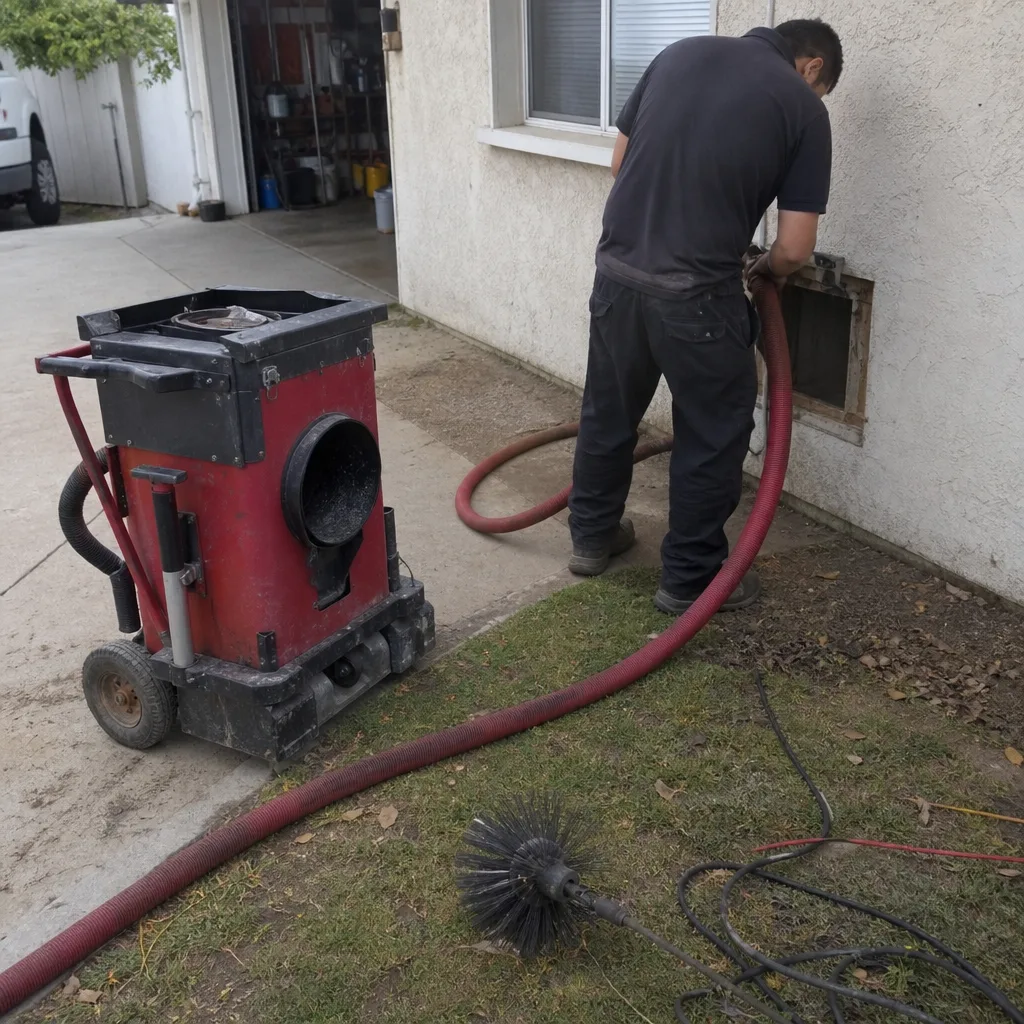
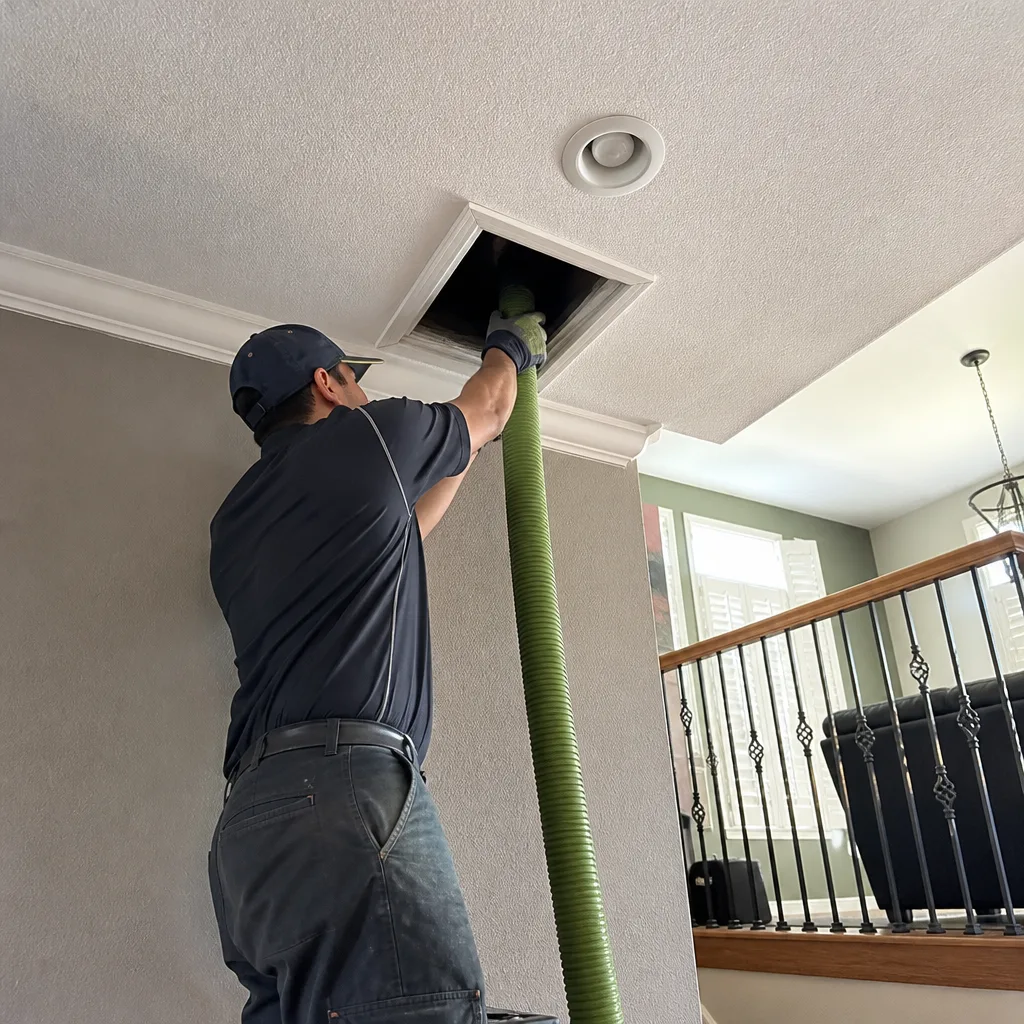
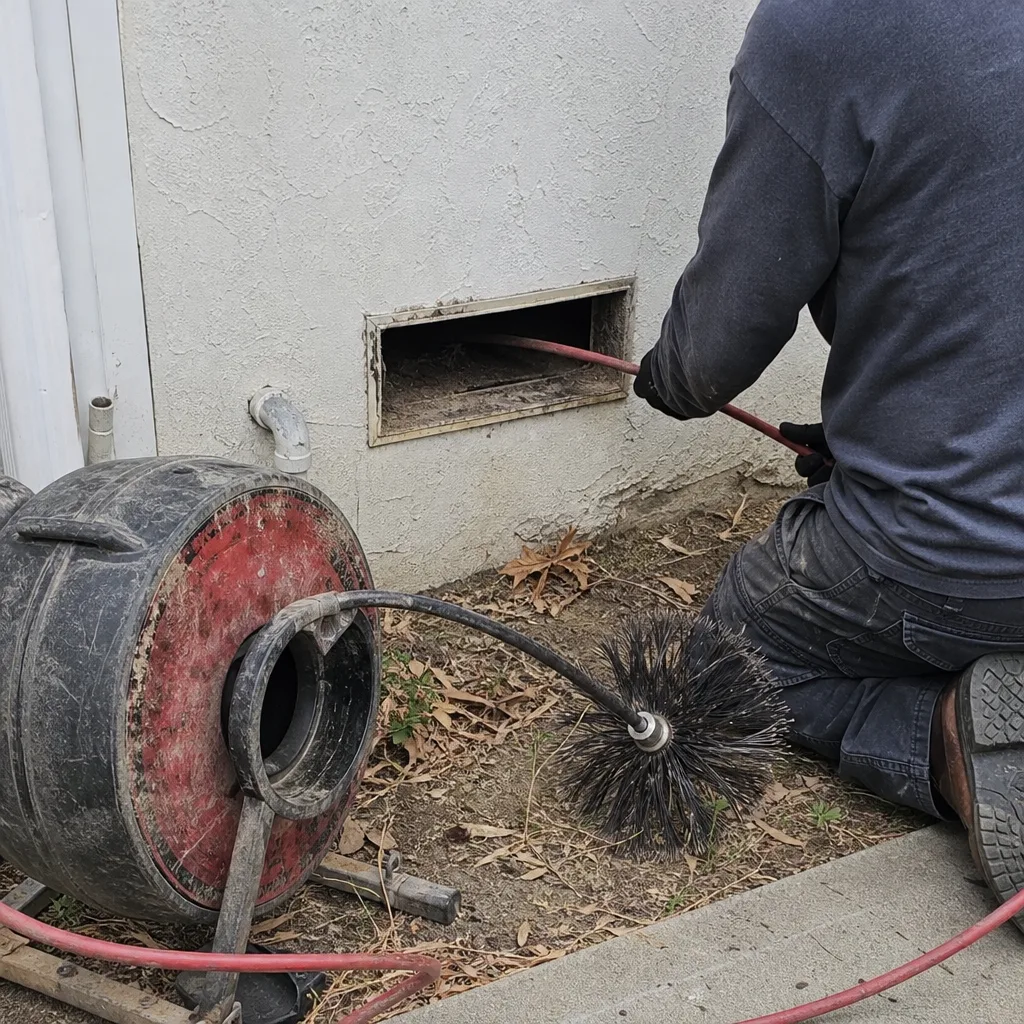
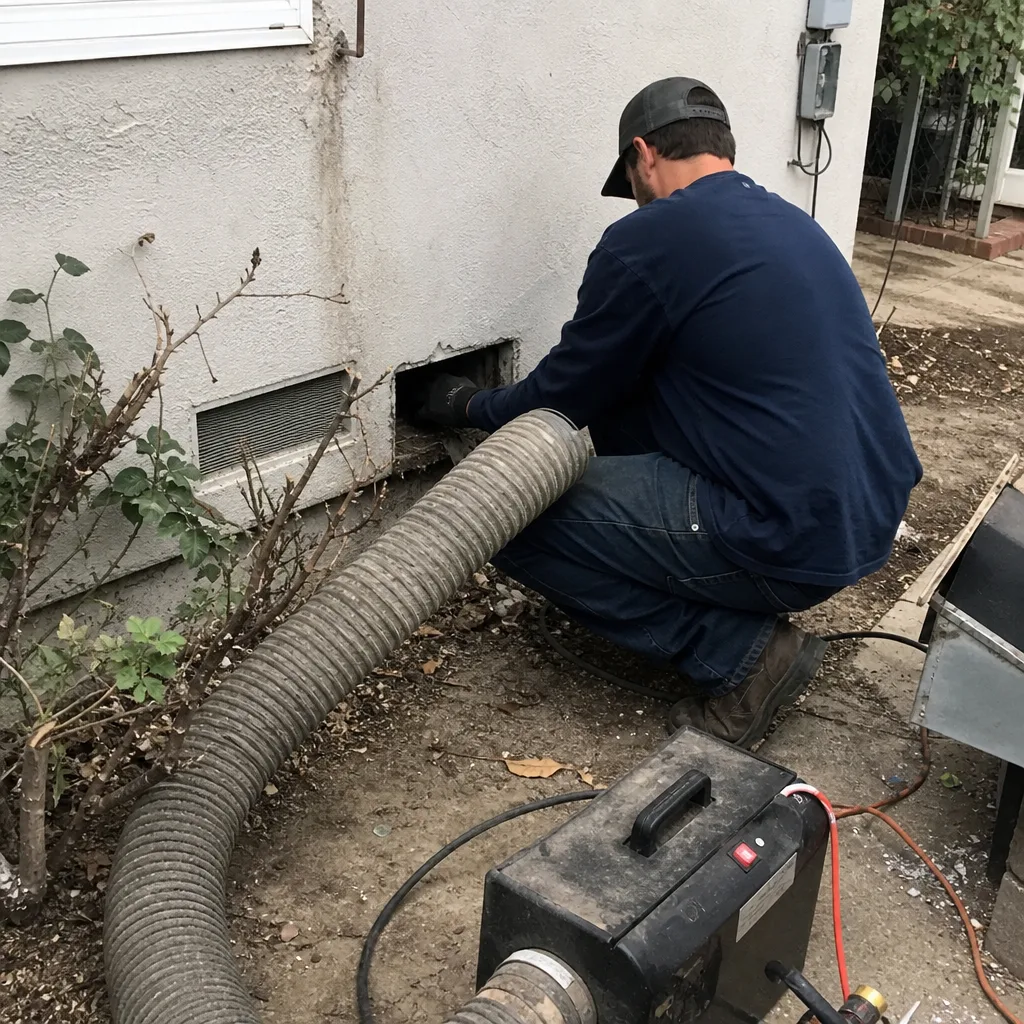
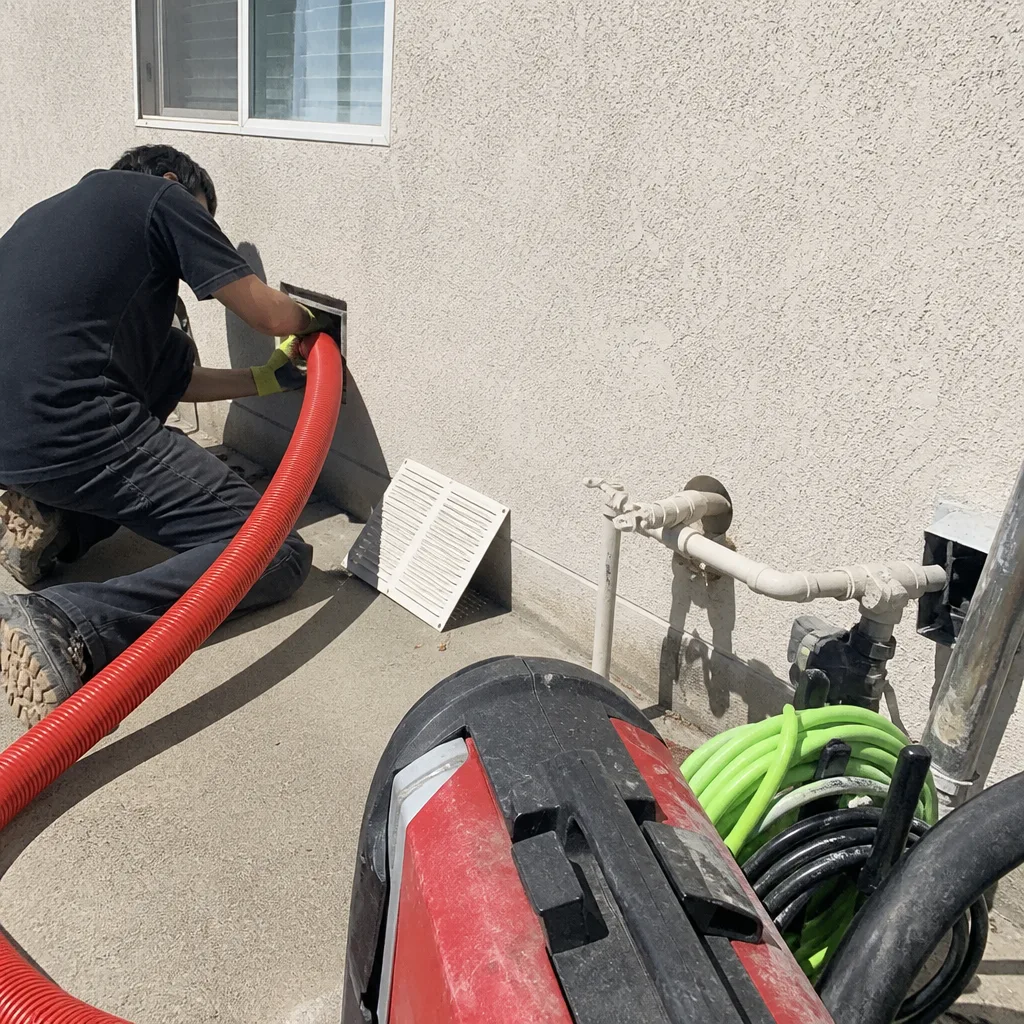
Professional duct cleaning uses equipment built for the job. We work with Rotobrush rotary brush systems and Nikro equipment because they’re designed to dislodge debris from duct walls and pull it into a contained collection system. These aren’t adapted from another use. They’re purpose-built for exactly this work.
Just as important is containment. We use Abatement Technologies negative-air equipment to create negative pressure in the duct system during cleaning. What that means practically: debris dislodged by the brush is pulled out of the system and into filtration, rather than being blown into your living room. Without negative-air containment, cleaning can redistribute debris rather than remove it. That’s the difference between a professional job and a truck-mounted vacuum with no containment strategy.
A full duct cleaning should include:
- Inspection of the return and supply sides, including branch lines
- Source removal of debris using mechanical agitation (rotary brush) combined with negative air
- Cleaning of the return plenum and supply trunk lines, not just the register openings
- Post-cleaning verification, ideally with before-and-after photographs of the duct interior
- An honest assessment of whether sections of the ductwork need repair rather than just cleaning
If you’re working with a company that quotes a flat rate over the phone without asking about square footage, number of registers, or system configuration, that’s not a professional service. A real quote considers the actual system being cleaned. Air Duct Cleaning Valley Hi provides free estimates for Valley Hi homeowners – call (833) 399-2759 and we’ll assess your actual system, not a generic one.
This guide is written from the perspective of a business that does this work in Valley Hi, and we want to be straight about what separates legitimate work from the alternatives. The equipment names we use – Rotobrush, Nikro, Abatement Technologies – are what certified indoor-air-quality contractors specify. If a company can’t name their equipment, that’s an answer in itself. Our air duct cleaning services in Valley Hi are built around these professional-grade systems, not a shop vac with a logo on it.
Common Mistakes to Avoid
- Assuming no visible dust means clean ducts. The interior of your duct system isn’t visible from your living room. By the time dust appears at the registers, the buildup has been in progress for years. Early-stage restriction doesn’t produce visible evidence at the vent face.
- Judging duct cleanliness by the return vent cover. That grille is not your duct system. It’s the opening where air enters. A clean vent cover tells you nothing about what’s inside the return plenum or the branch lines.
- Falling for the low-price bait. A $49 whole-house duct cleaning quote is structured to get a technician in the door, where the upsell begins. Legitimate professional cleaning involves equipment, labor, and time that cannot be delivered for that price. If the number seems too low, the scope is too small.
- Cleaning ducts without addressing the moisture or debris source. If you have ongoing moisture in the system or a construction project that’s still generating dust, cleaning is temporary. Fix the source, then clean the system.
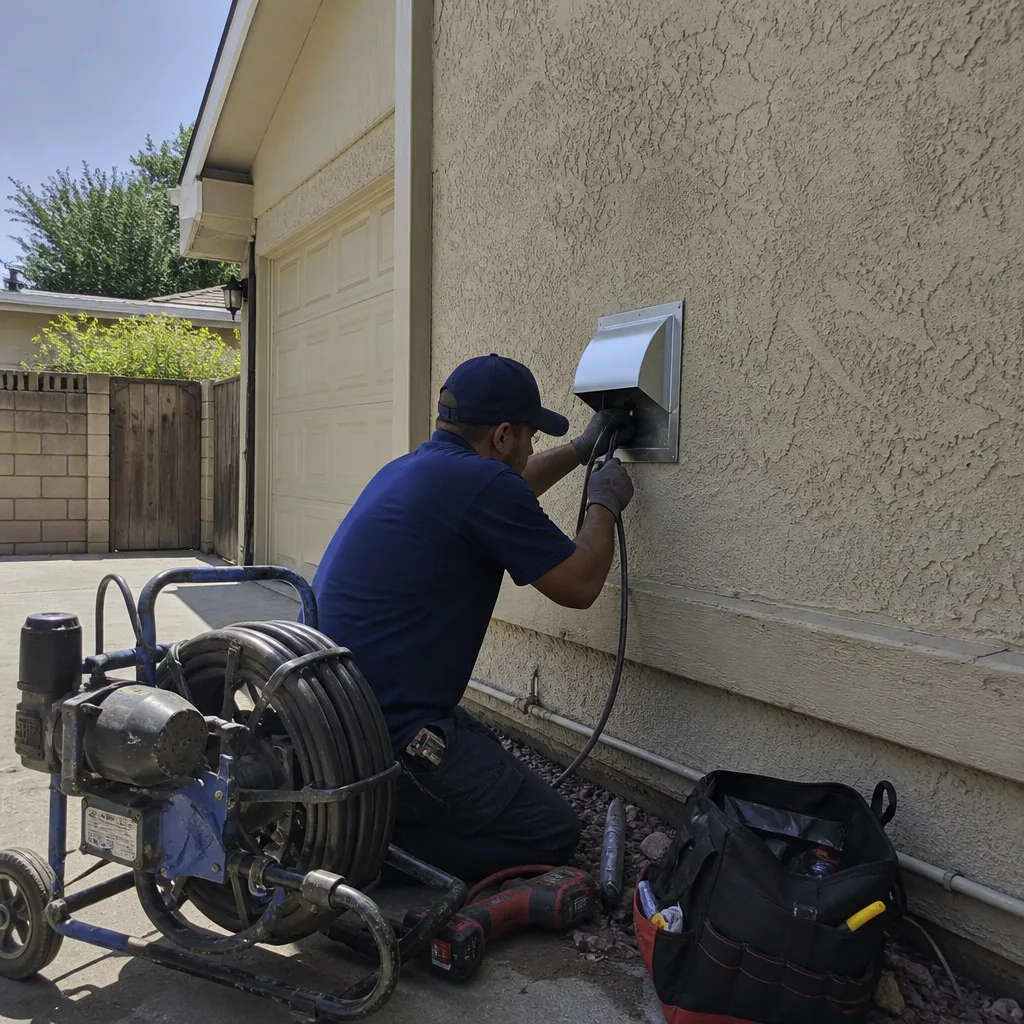
- Ignoring the dryer vent while cleaning the ducts. These are separate systems, but a home with severely dirty ducts often has a severely clogged dryer vent too. Dryer vent cleaning isn’t a convenience add-on. It’s fire prevention. Lint accumulation in dryer vents is a leading cause of residential dryer fires, and homes that haven’t cleaned either system should address both. See dryer vent cleaning in Valley Hi.
- Assuming duct cleaning is a once-in-a-lifetime service. In most homes, and especially in Valley Hi’s climate with summer cooling loads and seasonal dust, duct systems accumulate material continuously. A system cleaned thoroughly today will start accumulating again tomorrow. The interval depends on your household – pets, use patterns, filtration quality – but 3 to 7 years is a reasonable range for most homes.
- Overlooking the return side. Many low-effort cleanings focus on supply registers because those are visible. But the return side of the system sees all the unfiltered air from your living space. If the return lines weren’t cleaned, significant debris remains in the very path all your air travels through.
When to Call a Professional
If you’ve identified one or more of the warning signs in this guide – accelerating filter loading, HVAC runtime creep, airflow imbalance that persists after mechanical service, or persistent odors from the registers – it’s time for a professional assessment rather than continued observation. If your home has experienced a specific trigger event like a wildfire smoke season, water intrusion, or major HVAC work, schedule an inspection even if you haven’t noticed symptoms yet. And if you’ve purchased a Valley Hi home built before 2000 with no documentation of prior duct cleaning, assume the system needs evaluation.
Air Duct Cleaning Valley Hi offers free estimates for homeowners throughout Valley Hi. We’ll inspect your system, show you what’s actually inside the ducts, and quote one flat price for the work before anything begins. Call (833) 399-2759 to schedule.
Frequently Asked Questions
Professional air duct cleaning in Valley Hi typically ranges from $300 to $600 for a standard single-system home, depending on square footage, number of registers, system configuration, and the level of contamination. Homes with severe buildup, multiple systems, or inaccessible duct runs fall higher. Expect a legitimate company to assess your actual system before quoting. Call (833) 399-2759 for a free estimate based on your specific home.
Low-price duct cleaning quotes typically come from operations that plan to upsell aggressively once they’re in the home, or that only clean the visible portions of the system – register openings and the first few feet of duct – rather than the full return and supply runs. Professional cleaning requires rotary brush equipment, negative-air containment, and time. If the price doesn’t cover labor and equipment, the scope has been reduced to fit it. One flat price per system, agreed before work starts, is the standard you should expect.
A legitimate professional service will provide before-and-after photographs of the duct interior, typically taken through access points or register openings with a camera. If a company can’t show you the inside of your ducts after the work, you have no verification that anything changed. We photograph the system before and after every cleaning because the proof is the product.
For most homes in Valley Hi, every 3 to 7 years is a reasonable interval. The exact timing depends on the household: pets that shed, use of the system during wildfire smoke events, recent construction, and occupant sensitivity all affect the schedule. Homes with high-efficiency filtration (like quality Honeywell media filters) and clean living environments often go longer. Homes with multiple pets or school-age children tracking in pollen and dust often go shorter.
Duct cleaning is a legitimate service when it’s performed by a real contractor with professional equipment and a real scope of work. It becomes a scam when it’s performed by a company offering prices too low to be real, using consumer-grade vacuums, and creating fear to drive upsells. The interior of a duct system accumulates dust, pet dander, construction debris, and in some cases biological growth. Removing that material improves airflow and removes a source of particulate in your home’s air. It’s not a scam. But a $49 coupon for it is.
They’re separate systems and don’t need to be cleaned simultaneously, but many homes that have neglected one have neglected the other. Dryer vent cleaning addresses a direct fire risk – lint accumulation is a leading cause of dryer fires. Air duct cleaning addresses airflow efficiency and indoor particulate. If you’ve lived in your Valley Hi home for years without cleaning either, addressing both is a reasonable step.
The Bottom Line
The warning signs that matter most with ductwork are the ones you don’t see. Your energy bill, your filter replacement interval, your thermostat’s runtime log, and the airflow balance between rooms tell you more about what’s inside your ducts than any visible dust at a register ever will. In Valley Hi, where cooling season runs long and seasonal smoke events are a reality, a duct system carrying years of accumulated debris costs you money every day it runs. The good news is that the diagnostic signals are there if you look for them, and the fix – when done by a professional with the right equipment – is straightforward.
Written by the team at Air Duct Cleaning Valley Hi, serving Valley Hi since 2018.
See the difference
 Before
 After
 Before
 After
 Before
 After