
Last updated November 2, 2026
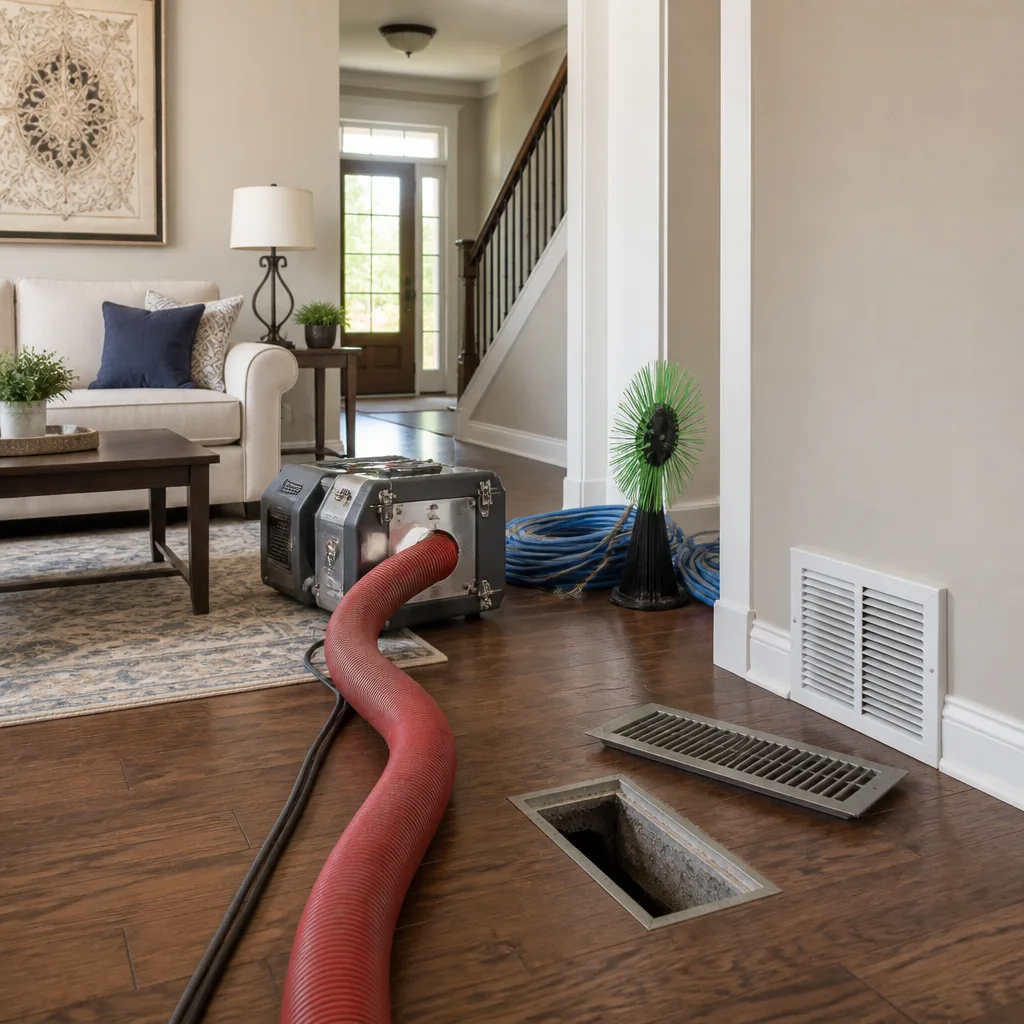 Whole-home duct cleaning
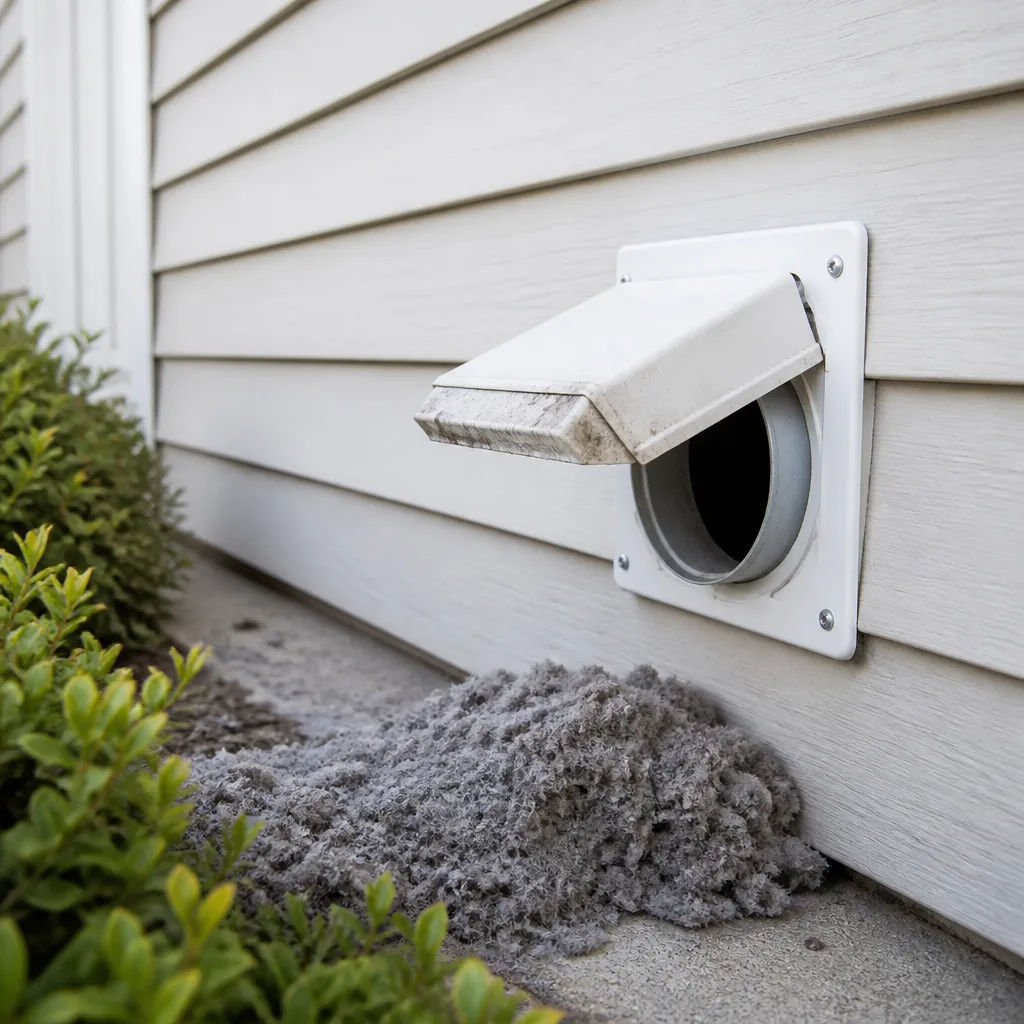 Dryer vent cleaning
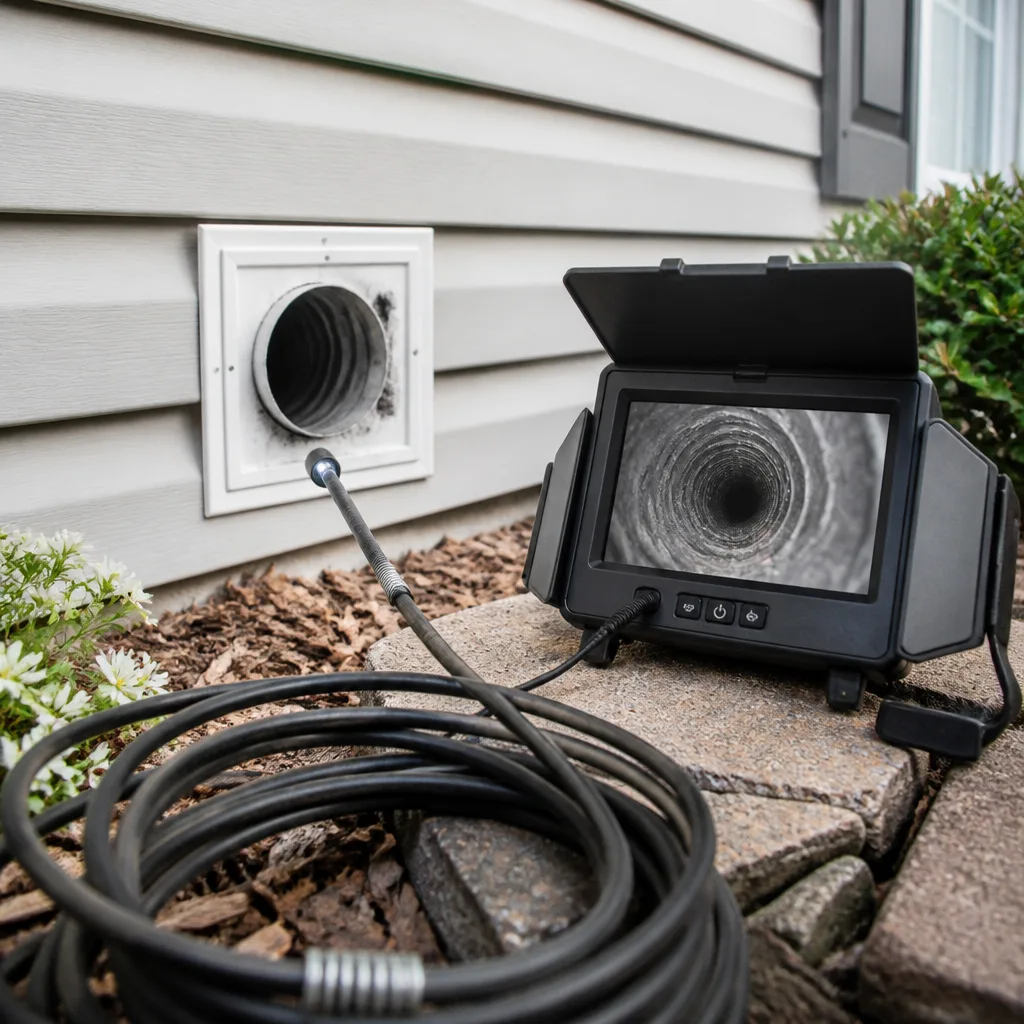 Camera inspection
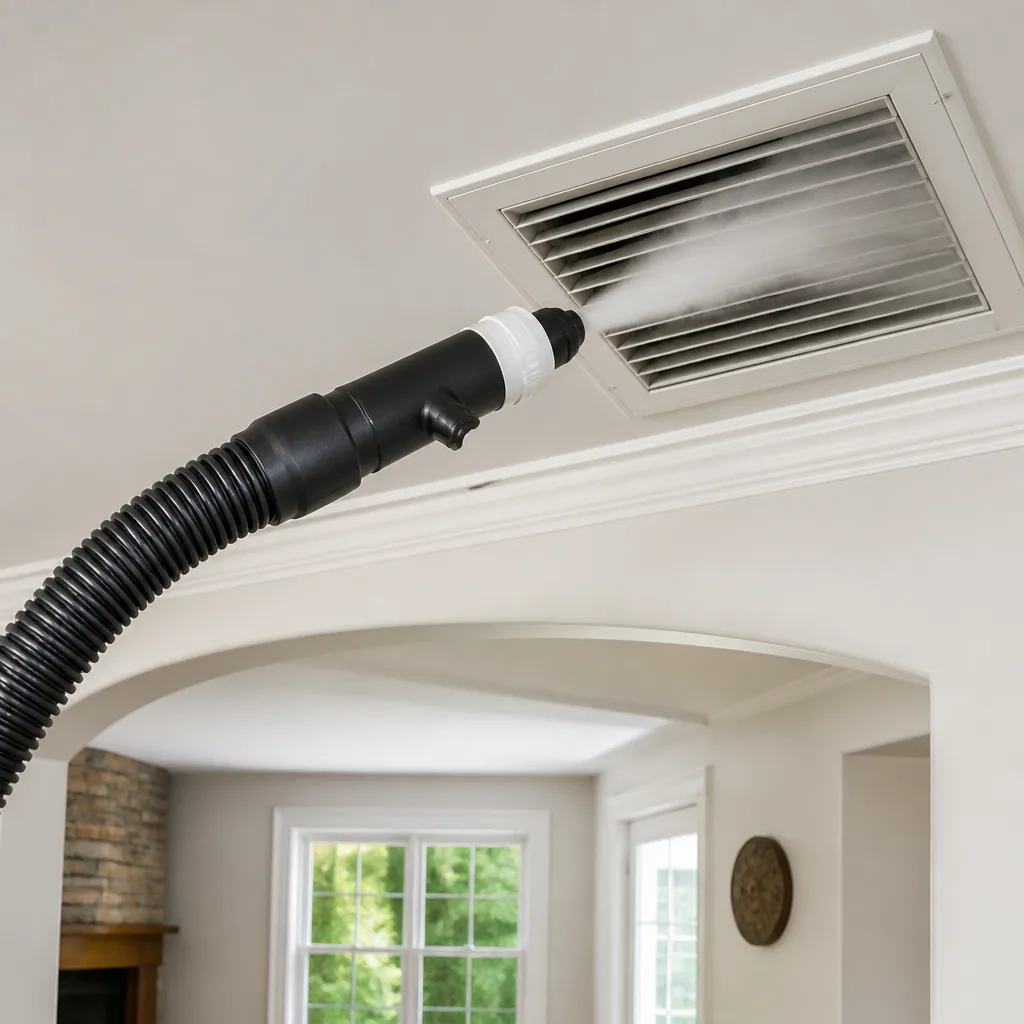 Sanitizing & deodorizing
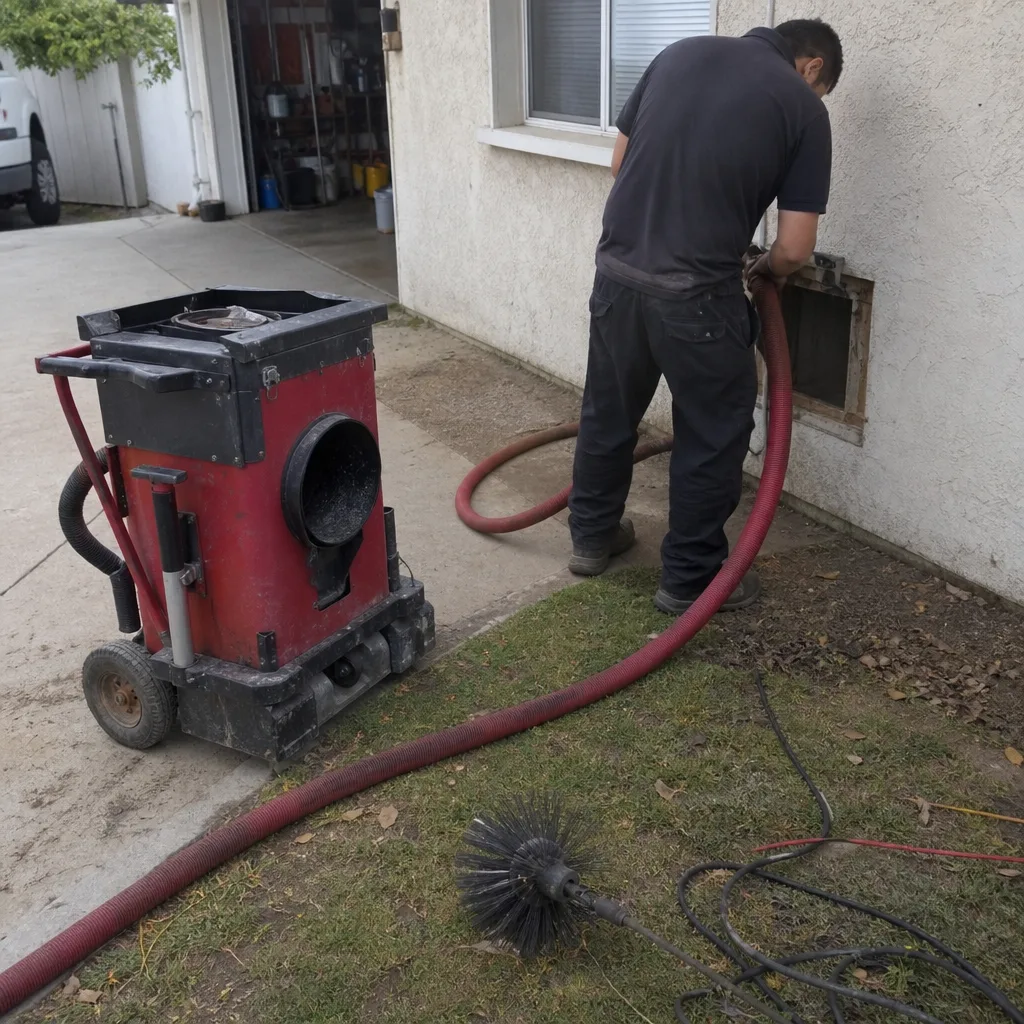
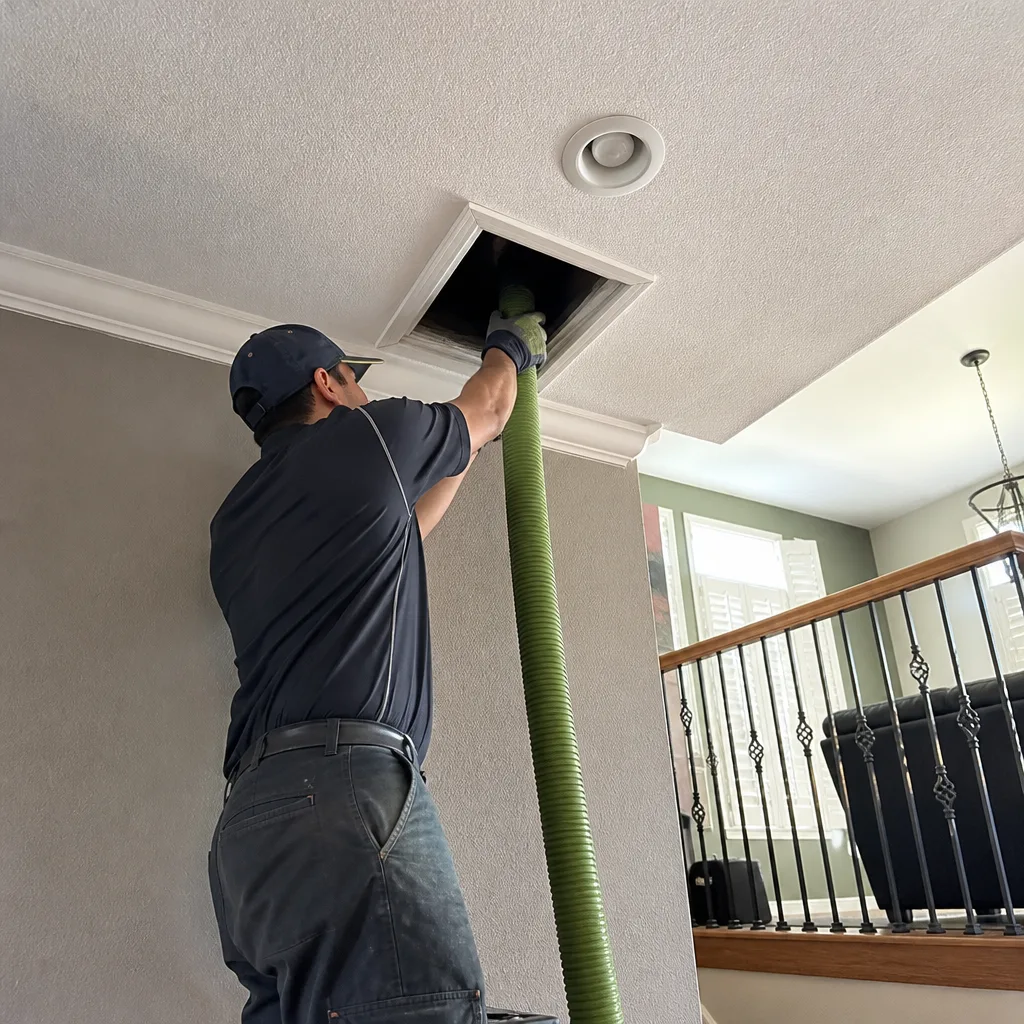
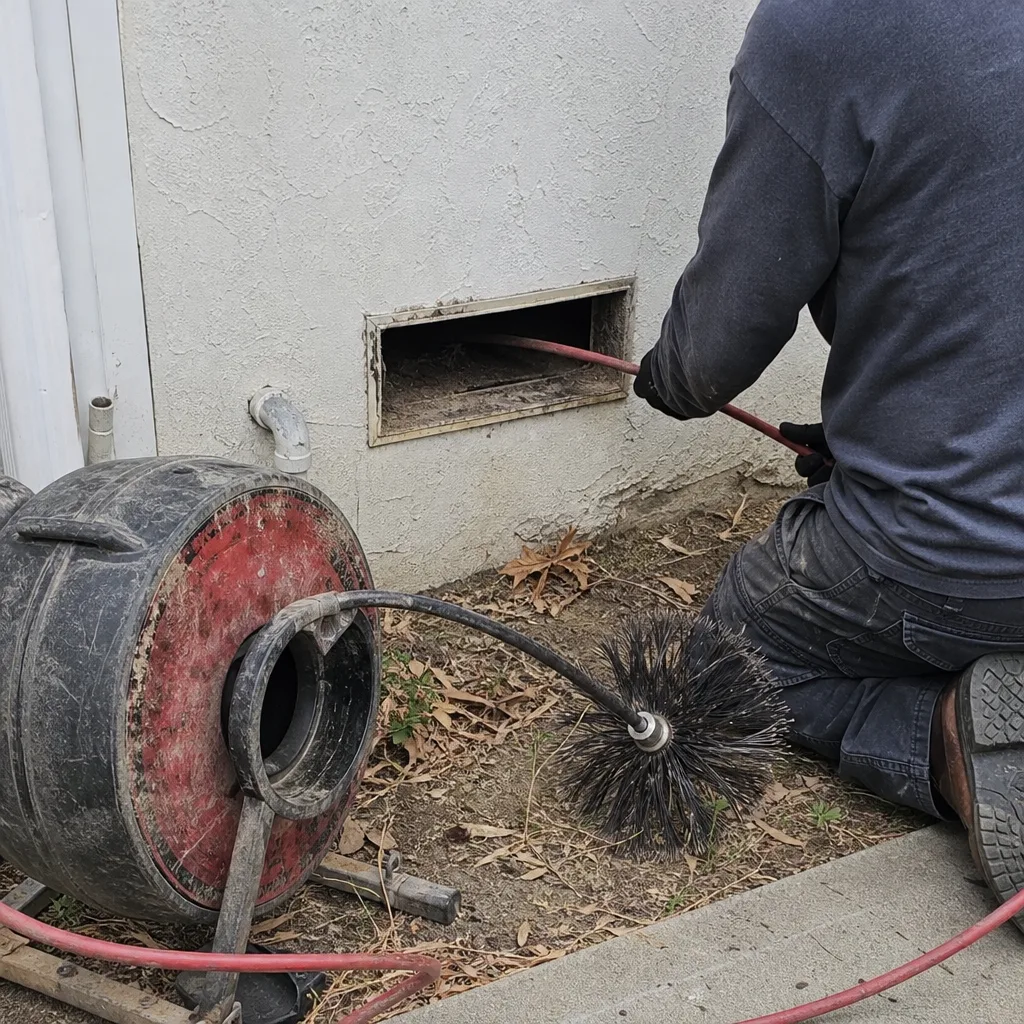
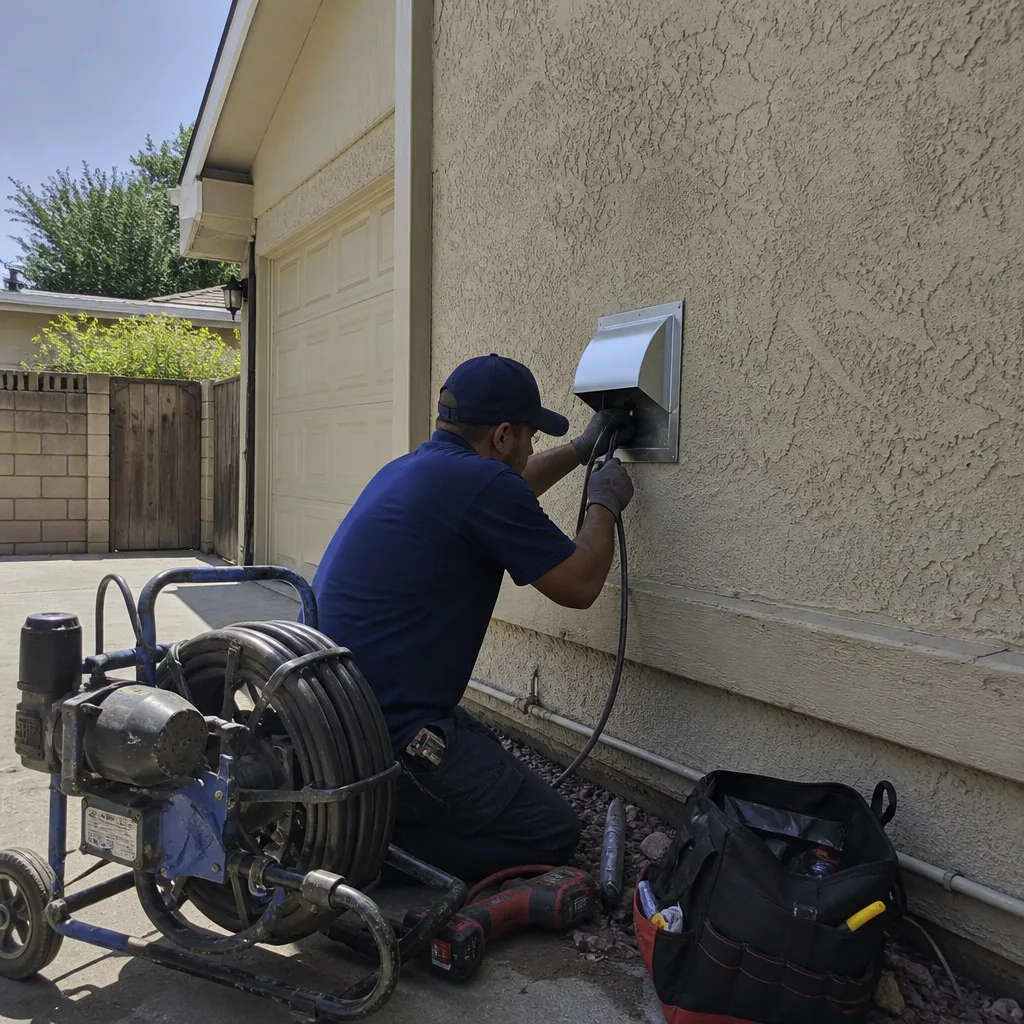
Whole-system duct and dryer vent check with before-and-after photos - you see exactly what came out of your vents
That "$99 whole-house special" is a bait ad - the real number appears once they are in your hallway, or the "clean" is a shop-vac at the register. We photograph the inside of your ducts before and after instead.
Seasonal Air Duct Cleaning Care for Valley Hi: Year-Round Homeowner’s Guide
Most national HVAC maintenance guides are written for places with four distinct seasons and a furnace that runs half the year. Valley Hi doesn’t work that way. Our climate produces a unique stress calendar for ductwork: five straight months of continuous AC operation, wildfire smoke events that can clog a filter in forty-eight hours, and a winter season defined more by Tule fog moisture than freezing temperatures. If you follow generic spring-and-fall advice here, you’re missing the two highest-stakes windows that actually matter in Valley Hi. This guide explains what happens inside your ducts month by month, why the timing of inspections matters more than the inspections themselves, and how to build a maintenance rhythm that matches what actually occurs in this zip code.
Quick Answer
Seasonal air duct cleaning in Valley Hi should revolve around two critical windows: a pre-summer inspection and cleaning in April or May before continuous AC operation begins, and a post-summer service in October after five months of heavy use. Wildfire smoke events add a third, unpredictable trigger: any significant smoke infiltration means a filter check and likely a duct inspection within two to three weeks. The spring/fall schedule isn’t wrong for Valley Hi, it’s incomplete without accounting for 100°F summers and smoke-season particulate loading.
Styles & brands we work with
- Whole-home duct cleaning
- Dryer vent cleaning
- Camera inspection
- Sanitizing & deodorizing
Table of Contents
- Pre-Summer (April – May): The Highest-Stakes Inspection Window in Valley Hi
- Wildfire Smoke Season Protocol: What Smoke Actually Does to Ducts
- Summer Operation: What Five Months of Continuous AC Does to Your System
- Post-Summer (October): The Recovery and Assessment Window
- Winter in Valley Hi: Tule Fog, Gas Furnaces, and Moisture
- Building a 12-Month Maintenance Rhythm for Valley Hi’s Actual Climate
- Common Mistakes to Avoid
- When to Call a Professional
- Frequently Asked Questions
Pre-Summer (April – May): The Highest-Stakes Inspection Window in Valley Hi
April and May are when you should schedule your most thorough duct inspection of the year. Here’s why this matters more in Valley Hi than almost anywhere else in the state: by late May, daytime highs routinely cross 90°F, and your AC is about to run for five months straight. Any accumulation sitting in your ducts right now, whether it’s eight months of dust, pet dander, or debris from the last windy season, is about to be baked, recirculated, and pushed through every room in your house, every single day.
We see a pattern in Valley Hi homes every spring. During the November-to-March stretch, furnaces run intermittently and ducts stay relatively cool. Dust settles. It accumulates in supply runs and return plenums. Then the first real heat wave hits, the AC kicks on, and everything that settled is suddenly airborne again. Homeowners notice it as a musty smell when the system first starts, or a fine layer of dust on furniture within a week.
What to do in April or May:
- Schedule a full duct inspection, not just a cleaning quote. Look for loose joints, tears in flexible duct runs, and gaps where unconditioned attic air gets pulled into the return side.
- Replace your HVAC filter before the first heat wave, not after. A fresh filter going into summer means lower static pressure and less strain on the blower motor.
- Check return registers for visible dust buildup. If you see dust caked on the grille fins, that’s what’s been moving through the system.
- Have dryer vents inspected during the same visit. Summer is when dryer lint fires spike in Sacramento County, and the vent is typically warmest and most brittle after winter use.
The pre-summer window is also the cheapest time to fix duct problems. Contractors have availability. Parts are in stock. And you’re not competing with a hundred other homeowners who waited until the first triple-digit day to realize their system is blowing warm, dusty air.
Wildfire Smoke Season Protocol: What Smoke Actually Does to Ducts
Valley Hi sits in the Sacramento Valley, and when wildfire smoke settles in, it doesn’t just sit outside. It gets pulled into your home through the HVAC system, and some of it stays. This is the season that separates professional duct cleaning from a visual once-over.
Wildfire smoke carries fine particulate matter, much of it under 2.5 microns. That’s small enough to pass through most standard HVAC filters. What doesn’t get trapped in the filter gets deposited inside your duct system, on the blower fan, and across the evaporator coil. The concern isn’t just the smoke itself. It’s what happens when smoke particles combine with normal household humidity and dust to form a sticky film on duct surfaces. That film becomes a trap for everything else moving through the system.
Smoke season protocol for Valley Hi homeowners:
- During active smoke events: run your HVAC fan continuously, even if the AC isn’t cycling. This keeps air moving through the filter. Upgrade to a MERV 13 filter temporarily if your system can handle the added resistance. Honeywell makes a line of MERV 13 media filters that work well in this situation, though you should verify your blower’s static pressure tolerance first.
- Within two weeks after smoke clears: inspect your filter. If it’s dark gray or brown, replace it immediately. Don’t wait for the recommended 90-day interval.
- Within three to four weeks after a significant smoke event: schedule a duct inspection. We look for smoke residue on the return side, coating on the blower wheel, and any sign that the evaporator coil has accumulated a particulate layer. Airflow drops noticeably when a coil gets coated.
- If you can smell smoke when the system runs: that’s not in your head. It means particulates have deposited on warm surfaces inside the air handler. A cleaning is warranted.
The homeowners who fare best in smoke season are the ones who treat their HVAC system like a participant in the event, not a bystander. Your ducts are filtering the air you’re breathing during these weeks. What they hold onto, they’ll release back into your living space for months afterward.
Summer Operation: What Five Months of Continuous AC Does to Your System
From June through September, your air conditioner in Valley Hi typically runs six to twelve hours per day. Over a five-month season, that’s somewhere between 900 and 1,800 hours of operation. Most national maintenance guides assume far less. This is where the duct stress calendar diverges sharply from generic advice.
Continuous operation produces three distinct failure patterns we see regularly in Valley Hi homes:
- Duct joint separation. Repeated thermal expansion and contraction cycles work on taped joints and mechanical connections. Runs in unconditioned attics can swing 40°F or more between day and night. Over a single summer, this cycling is enough to pop weak tape and loosen connections that were fine in spring.
- Insulation breakdown on flex duct. Attic temperatures in Valley Hi routinely hit 130°F in July and August. The outer jacket on flexible duct runs degrades under that sustained heat. Insulation compresses. R-value drops. Supply air warms up before it reaches the register.
- Debris accumulation in return air paths. The more your system runs, the more air it moves, and the more total particulate passes through. Some of that settles in the return plenum. By October, a system that was cleaned in April can be carrying measurable new debris load simply from volume of air moved.
What to watch for in July and August:
- Rooms that suddenly run warmer than others. That’s often a separated duct joint bleeding conditioned air into the attic.
- A whistle or hiss from a register. Air escaping through a gap makes noise.
- Higher utility bills without a change in usage. Duct leaks typically account for 10 to 20 percent energy loss in Valley Hi homes.
- Visible dust trails near supply registers. That’s conditioned air picking up attic dust through a leak and pushing it into the room.
Summer isn’t the time to ignore your ducts. It’s the time to pay attention to what they’re telling you. For our full Air Duct Cleaning in Valley Hi service details, that page covers what a mid-summer inspection involves if you’re seeing any of these warning signs.
Post-Summer (October): The Recovery and Assessment Window
October is the second critical window in the Valley Hi duct care calendar, and it’s the one most homeowners skip, according to our Air Duct Cleaning Cost Breakdown: The Valley Hi Homeowner’s Reference for 2026. The reasoning is understandable. The AC is winding down. The system worked fine all summer. Nothing seems broken. But October is when accumulated damage becomes visible, and when deferred maintenance starts compounding.
After five months of heavy use, here’s what a typical Valley Hi system looks like when we inspect it in October:
The blower wheel has a fine coating of dust on the fins, which reduces airflow efficiency. The evaporator coil, if it wasn’t cleaned recently, may be carrying a visible particulate layer that inhibits heat exchange. Flexible duct runs show signs of sagging where the summer heat softened the outer jacket. Joints that were taped two years ago are starting to peel. And the return plenum has accumulated whatever the system pulled in during peak operation, including any smoke-season residue from August and September fires.
October is the right time for:
- A post-season duct cleaning. This removes the accumulated summer debris load before the heating season begins. You walk into winter with a clean system instead of one that’s been storing five months of particulate.
- A thorough inspection for joint separation and duct damage. Summer heat is the most common cause of age-related duct failure in Valley Hi. Catching a separated joint in October means an easy repair now instead of an emergency call in December when your furnace is blowing heat into the attic. Our Air Duct Repair in Valley Hi page covers what these repairs typically involve.
- Dryer vent inspection before holiday laundry season. October through January is peak dryer usage for most households. Lint accumulation from the summer, combined with higher winter drying volume, is the recipe for the vent fires we see most often in this region. See our Dryer Vent Cleaning in Valley Hi service details for what this inspection includes.
The post-summer service is where the professional equipment difference really shows. We use Rotobrush rotary brush systems and Nikro equipment on every duct-cleaning job, which means the debris removed in October is actually removed, not just loosened and left to recirculate. And our Abatement Technologies negative-air containment keeps what comes out of your ducts from re-entering your living space during the cleaning process.
Winter in Valley Hi: Tule Fog, Gas Furnaces, and Moisture
Winter in Valley Hi doesn’t look like winter anywhere east of the Sierra. We rarely freeze. Snow isn’t a concern. But the heating season brings its own specific challenges, and the biggest one is Tule fog.
Tule fog sits in the Sacramento Valley for days or weeks at a time between November and February. It’s dense, it’s persistent, and it carries moisture. That moisture makes its way into your duct system in two ways. First, outdoor air drawn in through any return-side leak carries humidity directly into the ducts. Second, the temperature differential between warm duct interiors and cool, fog-soaked attic air creates condensation on duct exteriors, which can soak into insulation and create a damp microclimate.
What moisture in ducts leads to:
- Dust particles that would normally stay suspended become heavy and settle into a paste on duct surfaces.
- Filter media absorbs moisture and loses efficiency, even if it doesn’t look dirty.
- Damp conditions inside ducts accelerate the degradation of fiberglass insulation.
- Mold growth becomes possible if organic material and moisture coexist for extended periods.
When your gas furnace starts up for the first time in late October or November, do these three things:
- Listen to the first few cycles. A burning dust smell for the first ten minutes is normal. A persistent odor, or a smell that returns every cycle, signals that something is coating the heat exchanger or sitting in the supply ducts.
- Check the condensate line if your system has one. High-efficiency furnaces produce condensate even in winter. A clogged line will back up and introduce moisture into the air handler cabinet.
- Replace the filter before heating season starts. The filter that handled summer dust and smoke residue is already working at reduced capacity. Don’t carry it into winter.
For homes with whole-house humidifiers or air-quality accessories, the heating season is also when we recommend checking Aprilaire humidifier pads and controls. Aprilaire equipment is common in Valley Hi homes, and a worn pad or a stuck damper can either dry out your indoor air or introduce excess moisture into the ductwork. We’re familiar with Honeywell and Aprilaire product lines, which means we can often diagnose accessory issues during a routine duct service rather than referring you to a third party.
Building a 12-Month Maintenance Rhythm for Valley Hi’s Actual Climate
National guides tell you to clean your ducts every three to five years. That’s a reasonable baseline for homes in moderate climates. Valley Hi is not a moderate climate. Your maintenance calendar needs to acknowledge five months of continuous AC operation, unpredictable smoke events, and a damp winter fog season. Here’s a practical rhythm that works for this region:
January – February
Replace the HVAC filter. Monitor for condensation inside the system during fog stretches. If you notice musty smells when the furnace runs, schedule an inspection rather than waiting. Fog-season moisture problems compound quickly.
March
This is your pre-season preparation month. Schedule your April or May duct inspection and cleaning now, while contractor availability is still good. Check dryer vent exhaust for visible lint accumulation at the exterior termination point.
April – May
The first critical service window. Full duct inspection, cleaning if warranted, and any repairs identified during inspection. Fresh filter installed. Dryer vent cleaned. This is the single most important maintenance action of the year for most Valley Hi homes.
June – August
Peak operation. Replace the filter every 30 to 45 days during continuous AC use, not every 90. Watch for the warning signs: uneven room temperatures, hissing registers, rising energy bills. Address problems when they’re small.
September – October
The second critical service window. Post-season duct cleaning and inspection. This is when summer heat damage gets identified and repaired. Clean the system before heating season, not during it.
November – December
Heating season startup. Replace the filter. Listen to early furnace cycles. Address any residual issues from the October inspection. Prepare for peak holiday laundry volume with a dryer vent check if one wasn’t done in October.
This rhythm works because it acknowledges what actually happens in Valley Hi. The two service windows correspond to real operational transitions in your HVAC system, not arbitrary calendar dates. And the smoke-season protocol overlays on top of the rhythm whenever wildfire events occur, because smoke doesn’t wait for October to show up.
For homeowners who want a more detailed walkthrough of what a professional cleaning involves, the Air Duct Cleaning Valley Hi home page covers our equipment, process, and the difference between professional-grade cleaning and what a shop vac from the hardware store can accomplish.
Common Mistakes to Avoid
- Following a national maintenance calendar instead of a Valley Hi calendar. Spring and fall service makes sense in Chicago. Here, the critical windows are April – May and October, with smoke-season adjustments layered on top. Applying generic timing means servicing your system at the wrong points in its operational cycle.
- Replacing filters on a fixed 90-day schedule regardless of conditions. A 90-day filter interval works for moderate climates with intermittent HVAC operation. Five months of continuous AC use and a couple of smoke events will clog that filter much faster. Check monthly during summer and replace when visibly loaded.
- Ignoring musty smells during Tule fog season. A damp smell when the furnace runs is not normal and won’t resolve itself. It signals moisture in the ducts or air handler, and moisture plus organic material is the recipe for mold. Get it inspected during fog season, not after.
- Treating dryer vent cleaning as optional. Lint-clogged dryer vents are a primary cause of residential fires, and lint accumulates faster in summer heat. This isn’t aesthetic maintenance. It’s fire prevention, and it belongs in your seasonal rhythm.
- Having ducts cleaned without a visual inspection first. Cleaning a system with separated joints or damaged runs wastes the cleaning. The debris comes back within months because the system is pulling in attic air. Inspection always precedes cleaning in professional practice.
- Waiting until the first heat wave to address duct problems. By the time June hits in Valley Hi, HVAC contractors are booked out for weeks. The homeowner who scheduled in April has a clean, repaired system on the first 100°F day. The one who waited is sleeping in a hot house.
- Assuming a smoke event means just changing the filter. Smoke residue coats the blower wheel, the coil, and the duct surfaces themselves. The filter catches some of it. The rest is still in your system until someone cleans it out.
When to Call a Professional
Some duct problems are visible. Some are audible. Some are only detectable with the right equipment. Call a professional when you see uneven room temperatures that persist after filter replacement, hear hissing or rattling from registers, smell must or smoke when the system runs, or find visible dust buildup on return grilles that returns within weeks of cleaning. Energy bills that spike without a weather or usage explanation are also a duct leak indicator worth investigating.
Air Duct Cleaning Valley Hi offers free estimates in Valley Hi. We inspect before we clean, we use professional-grade Rotobrush and Nikro equipment, and we repair what we find rather than cleaning around it. Call (833) 399-2759 to schedule a seasonal inspection or discuss what you’re seeing with your system.
Frequently Asked Questions
Every two to three years for most Valley Hi homes, with annual inspections recommended because of the five-month continuous AC season. Homes with pets, smokers, or residents with respiratory conditions may benefit from annual cleaning. Smoke events can shorten the interval, so a significant wildfire season may warrant cleaning sooner than the two-year mark.
Valley Hi experiences a specific combination of conditions: sustained 100°F summer temperatures that bake attic duct runs, wildfire smoke that introduces fine particulates into the system, and Tule fog in winter that adds moisture. Coastal California cities see none of the fog and far less sustained heat. Mountain communities see different challenges entirely. The Valley Hi specific calendar accounts for what actually happens in this part of Sacramento County.
Yes, if the smell is coming from particulates deposited inside the duct system. Smoke residue coats the blower wheel, evaporator coil, and duct surfaces, and that residue releases odor whenever the system runs. A professional cleaning removes the residue from these surfaces. If the smell persists after cleaning, the source may be elsewhere, but ducts are the most common culprit after a smoke event.
Signs include uneven heating and cooling between rooms, hissing or air-rush sounds from registers, visible dust trails near supply vents, and energy bills that climb without explanation. These indicate leaks or separations in the duct runs. An inspection with the system running under pressure identifies whether you’re dealing with accumulated debris or structural problems that cleaning alone won’t fix. Call (833) 399-2759 for a free estimate and we’ll identify what’s actually going on.
The equipment and the process. Professional duct cleaning uses rotary brush systems like Rotobrush and negative-air containment like Abatement Technologies equipment, which removes debris under vacuum while preventing it from recirculating into your home. Cheap deals typically mean a technician with a shop vac attached to a register, which loosens some dust but removes only what’s within reach of the hose. You’re paying for thoroughness, and with ducts, thoroughness is the entire product.
Yes, and we recommend it for efficiency reasons. The same visit covers both systems, which means one scheduling effort and one service call. More importantly, dryer vents accumulate lint faster than ducts accumulate dust, and a clogged dryer vent is a genuine fire hazard. Treating the two separately means one of them gets neglected. For Valley Hi homes, the May and October service windows are the natural times to do both. Call (833) 399-2759 for a combined estimate.
The Bottom Line
Valley Hi’s climate creates a duct stress calendar that generic HVAC guides don’t address. You’re running AC for five straight months, dealing with wildfire smoke that can load your system with particulate in a single event, and navigating a fog season that introduces moisture into your ductwork. The maintenance rhythm that works here is specific: a thorough inspection and cleaning in April or May, a smoke-season protocol when fires occur, a post-summer recovery service in October, and fog-season monitoring through the winter. For more guides & resources on keeping your system running efficiently, visit our blog. If you follow this rhythm, you’ll catch duct problems while they’re small, keep your system moving air efficiently, and avoid the expensive surprises that come from ignoring what your climate is doing to your ducts.
Written by the team at Air Duct Cleaning Valley Hi, serving Valley Hi since 2018.
See the difference
 Before
 After
 Before
 After
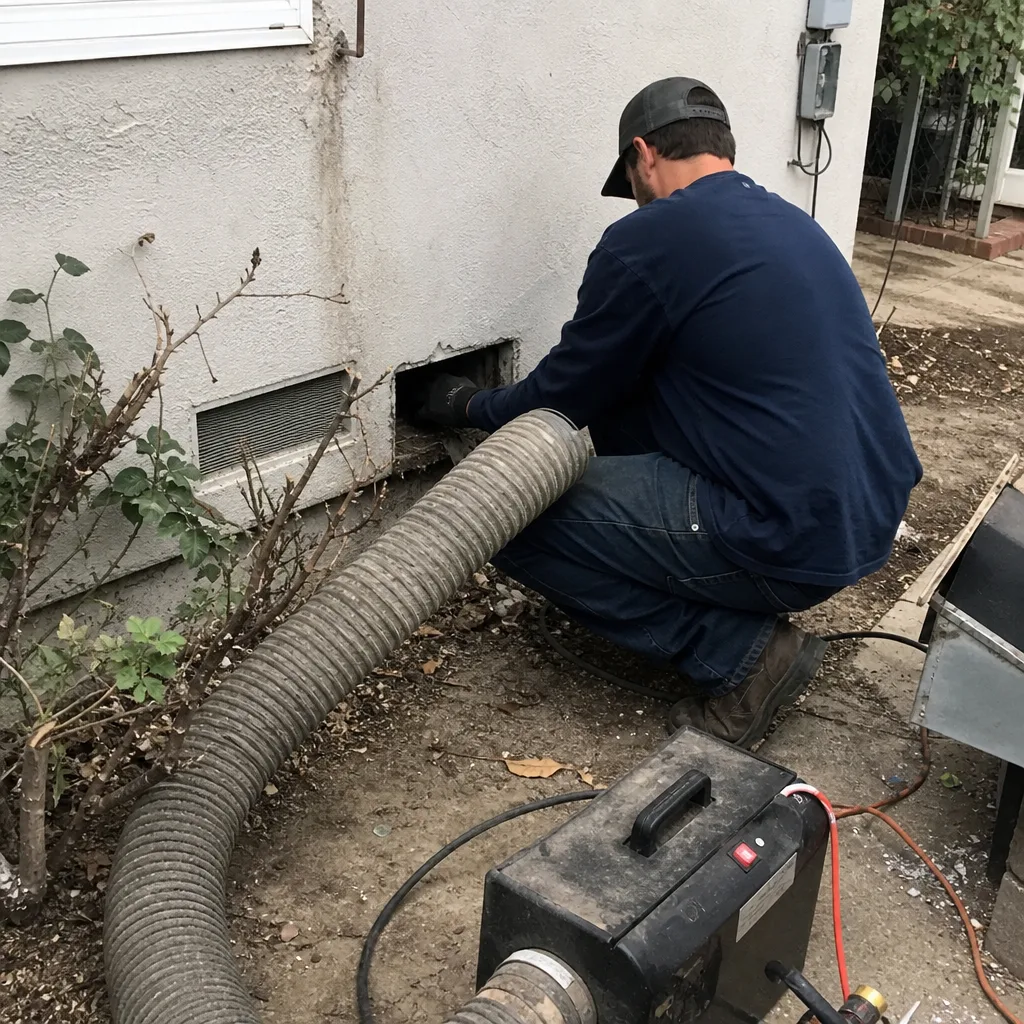 Before
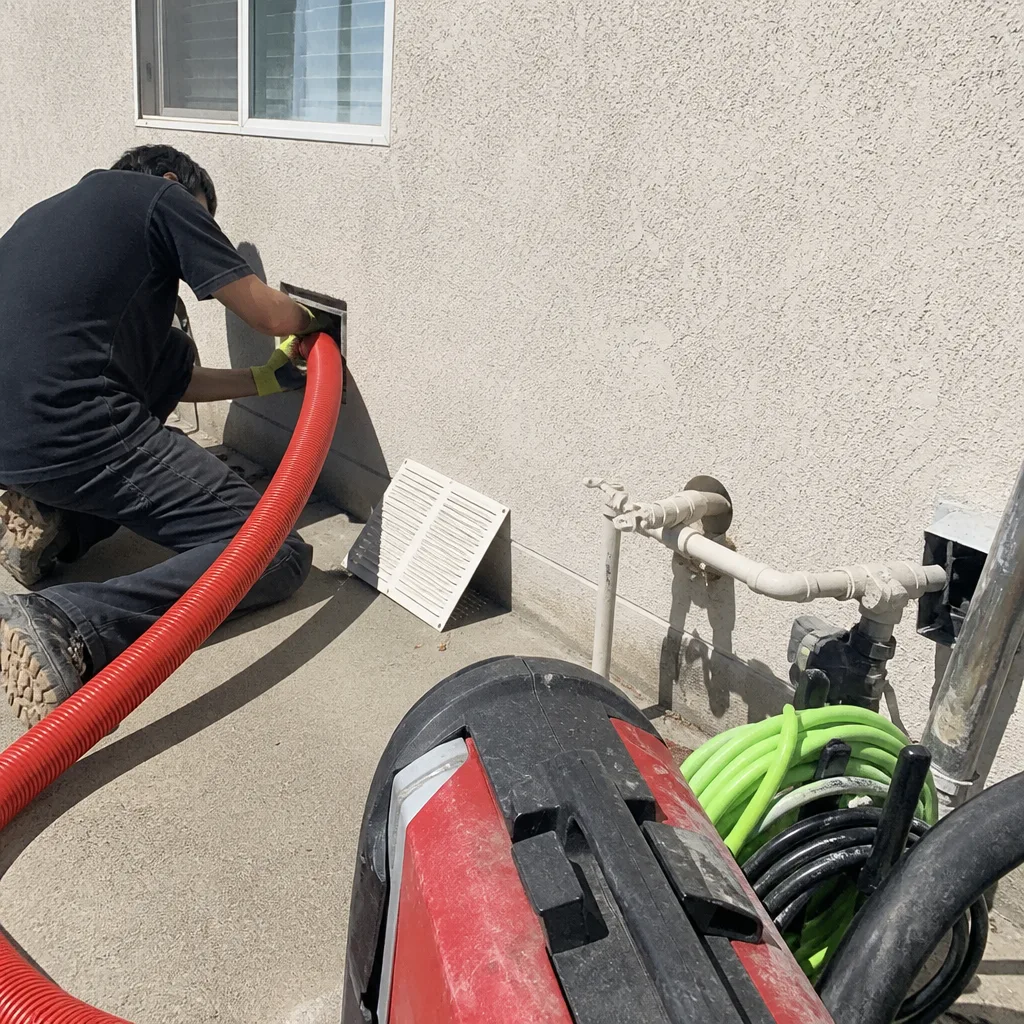 After