
Last updated November 2, 2026
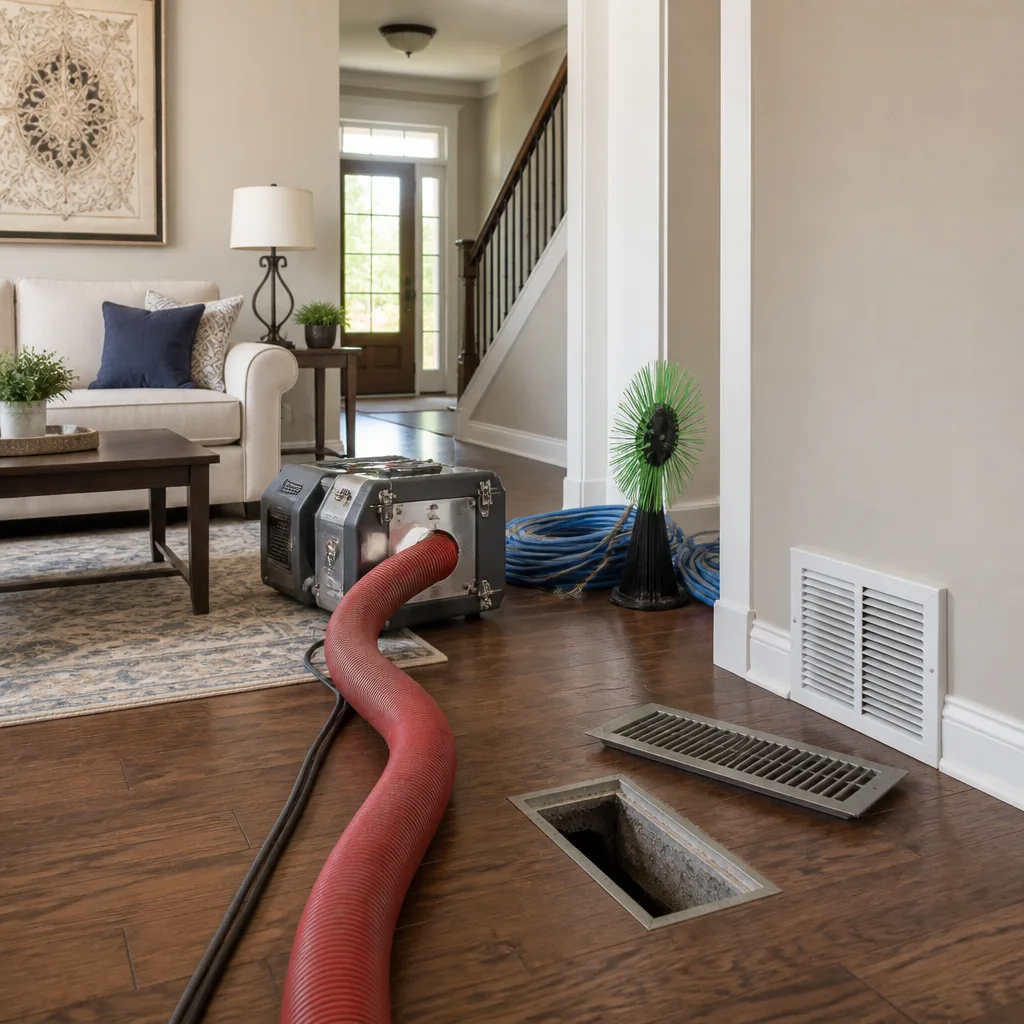 Whole-home duct cleaning
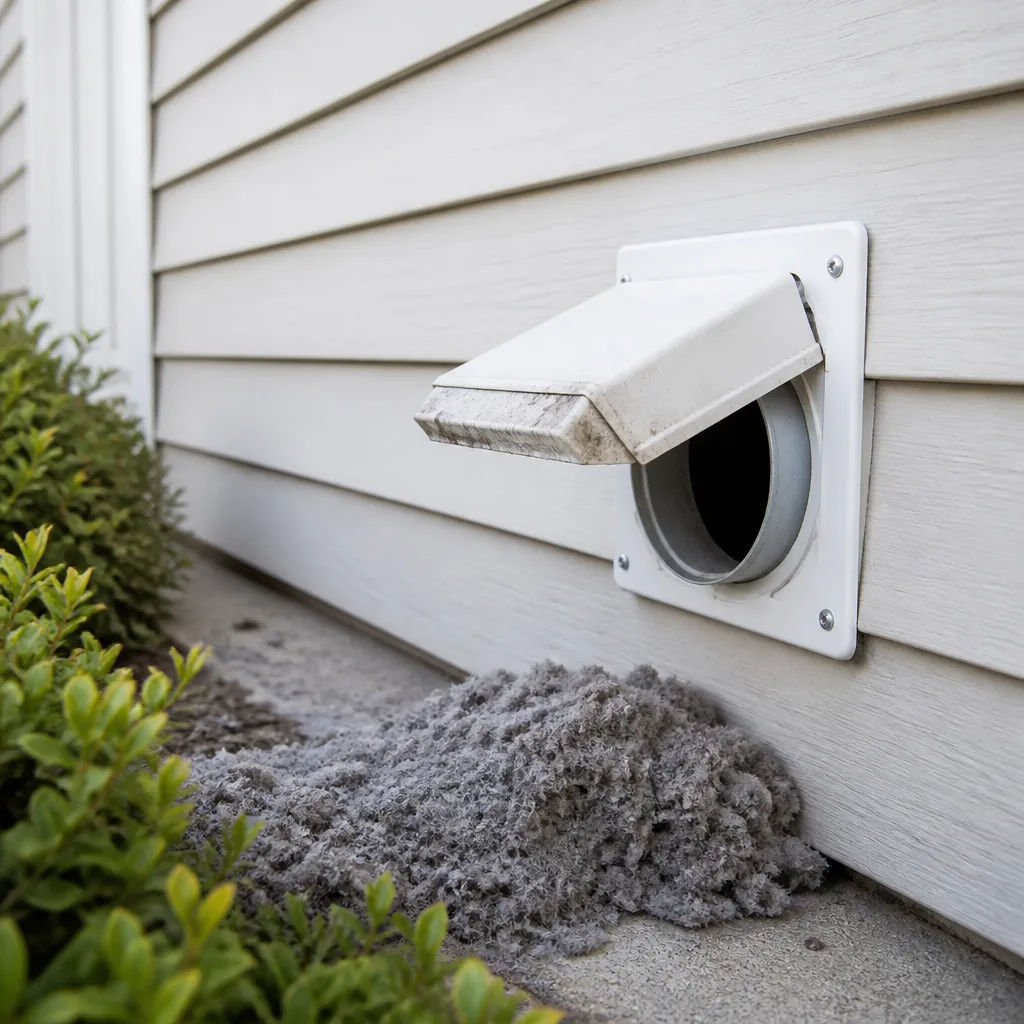 Dryer vent cleaning
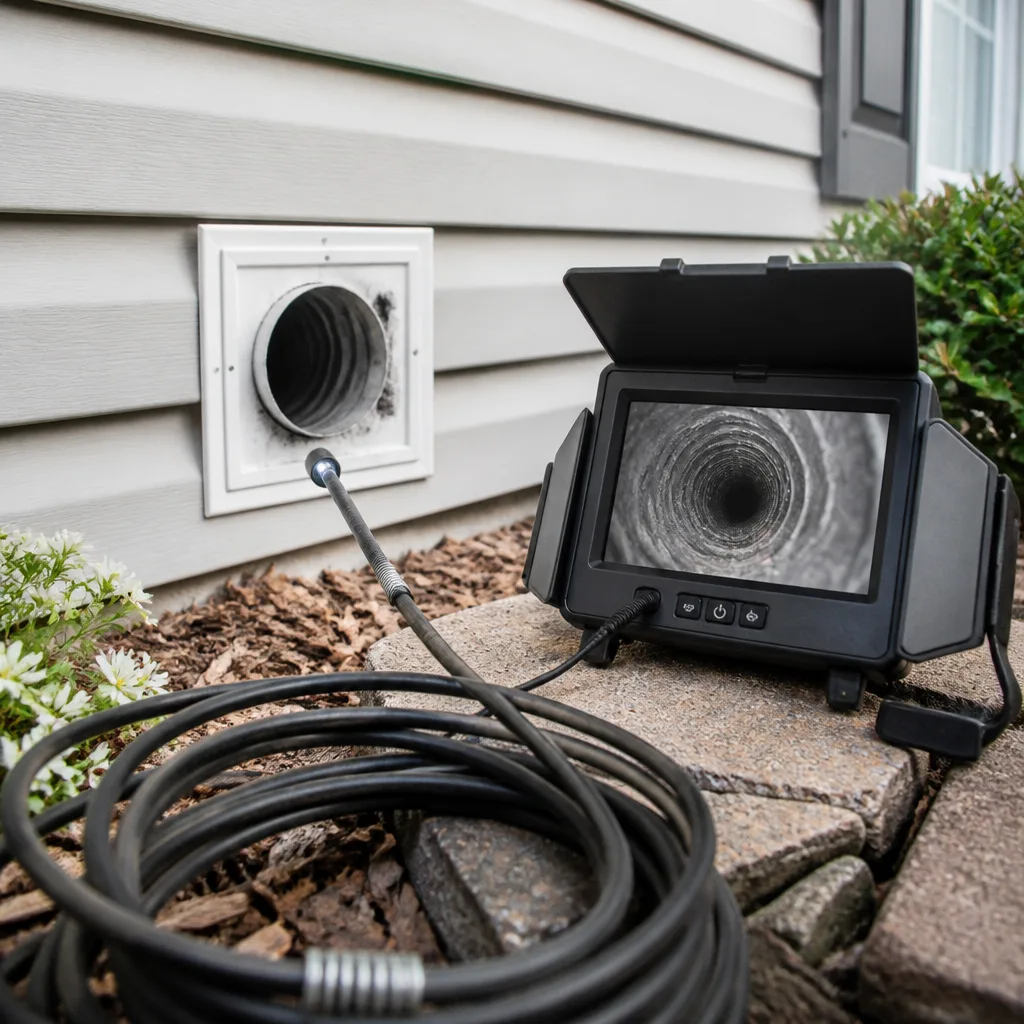 Camera inspection
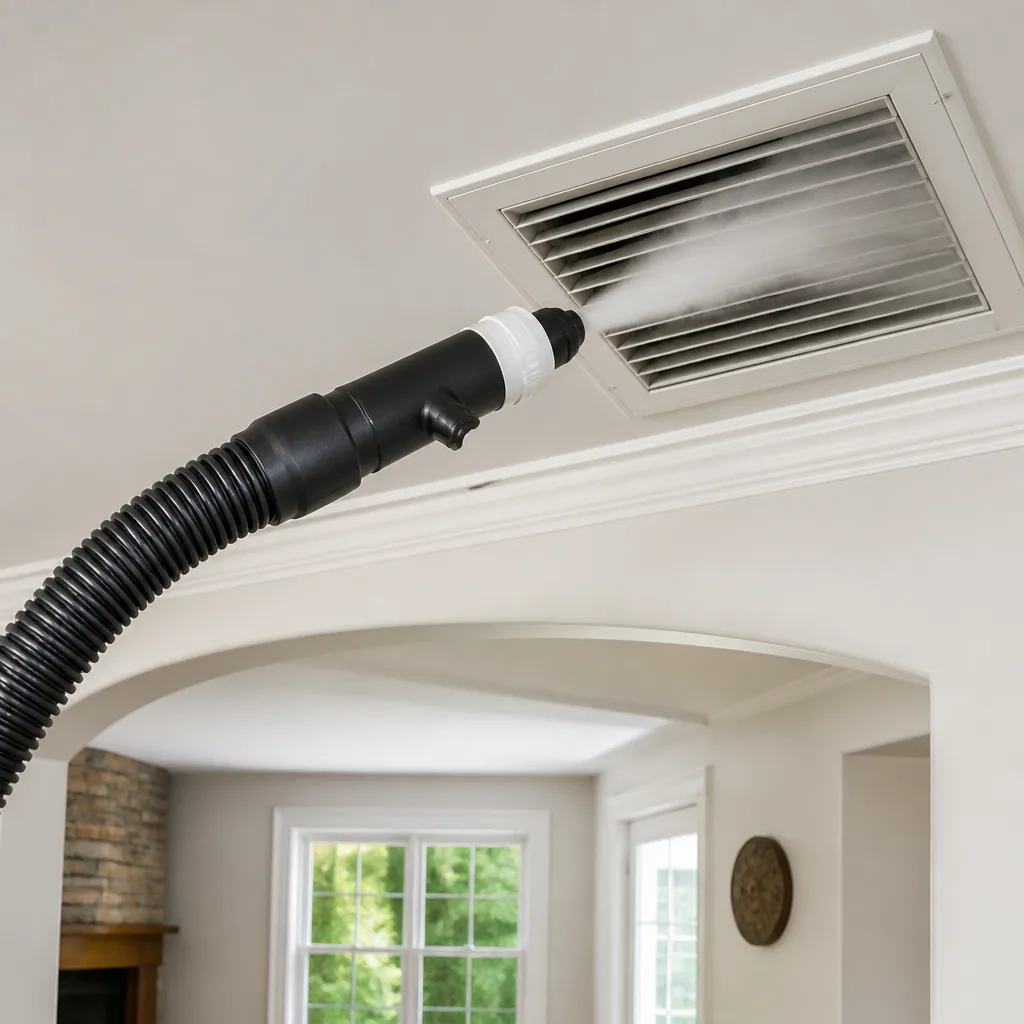 Sanitizing & deodorizing
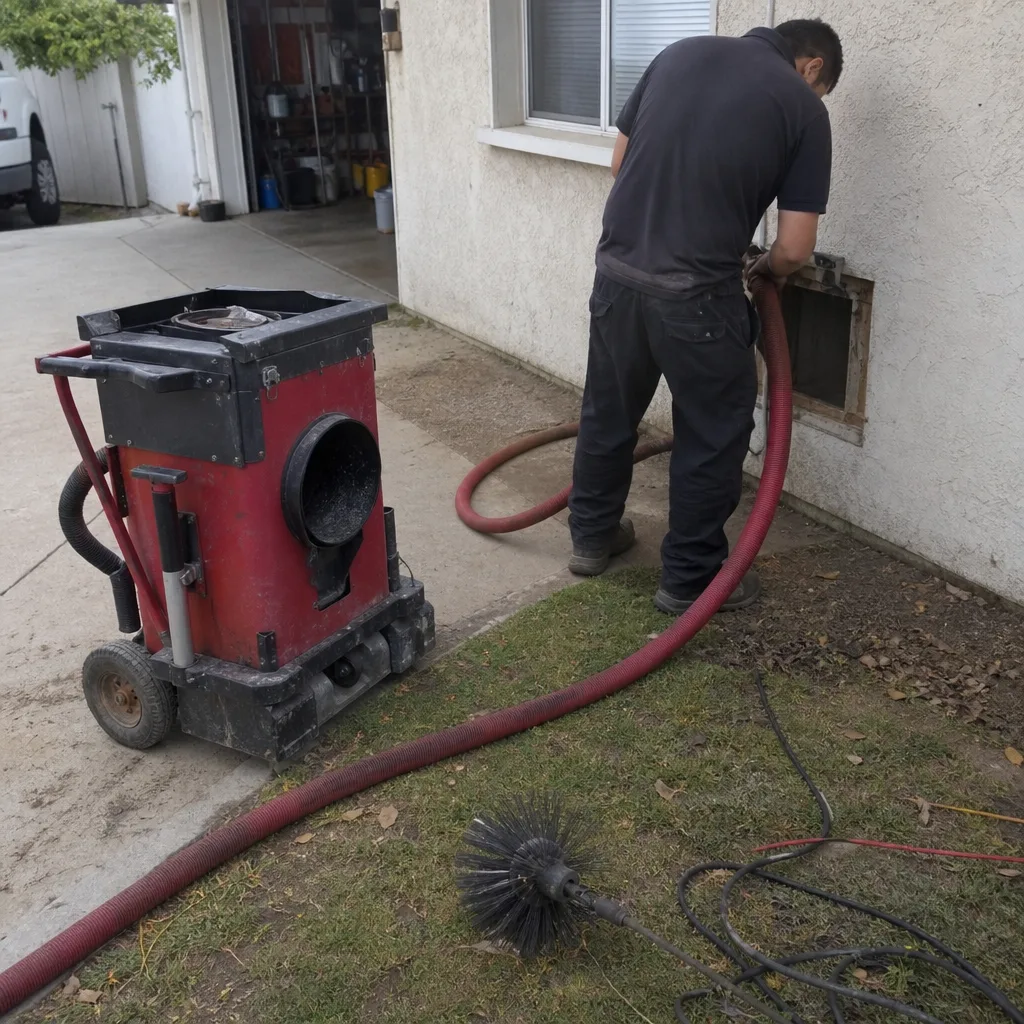
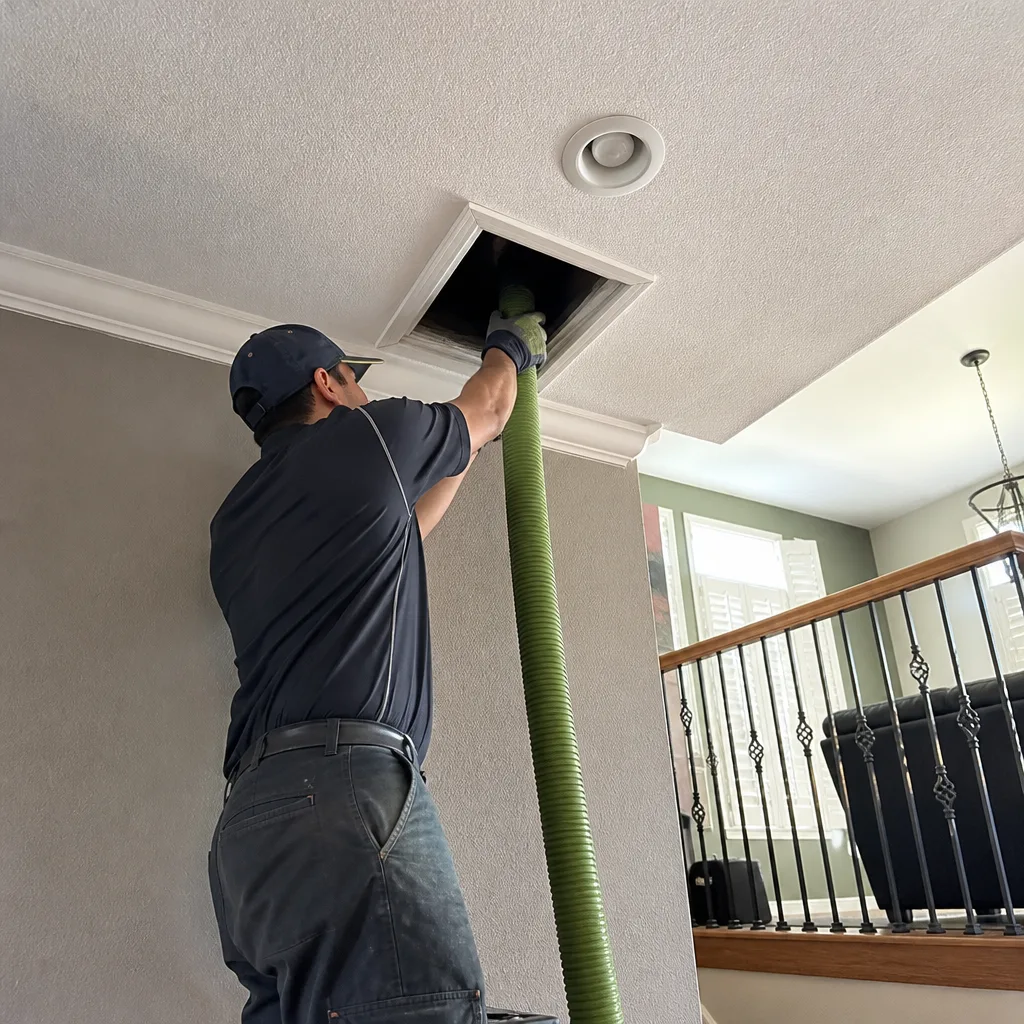
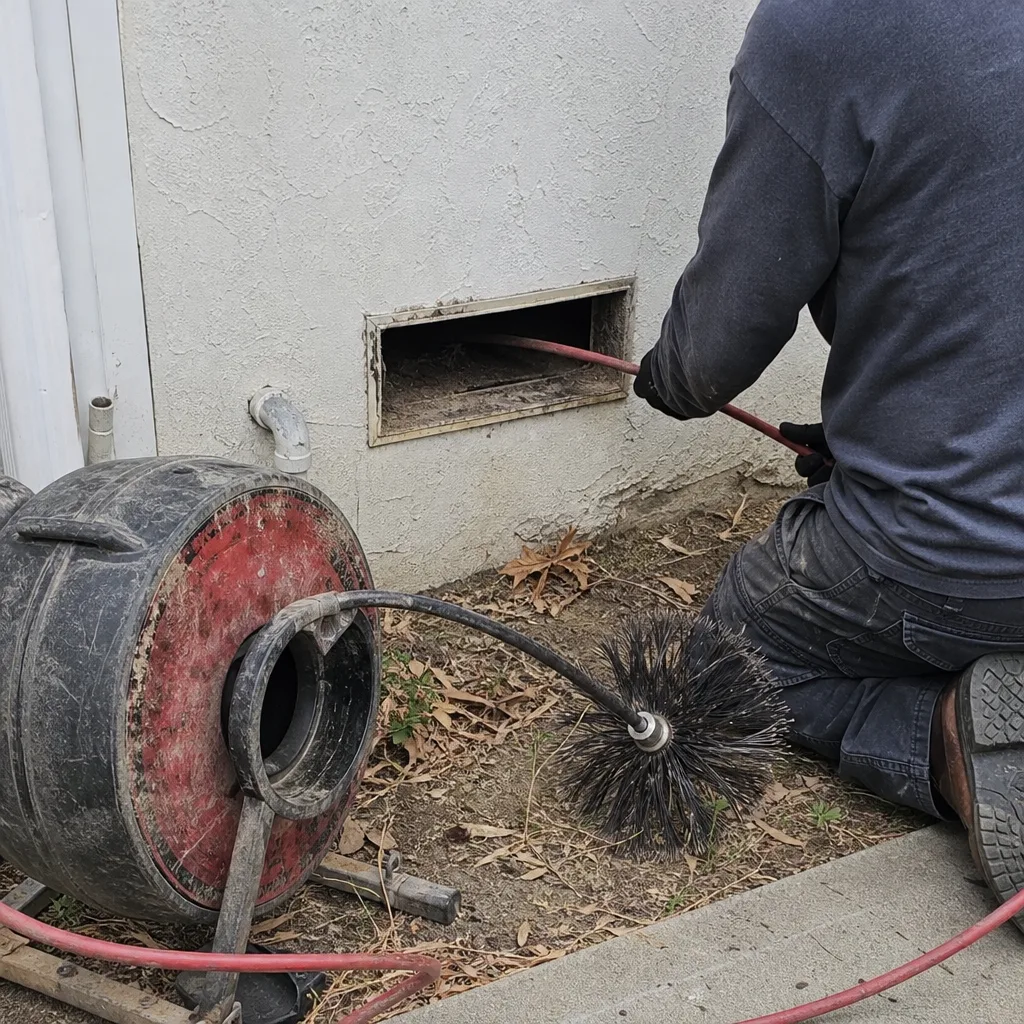
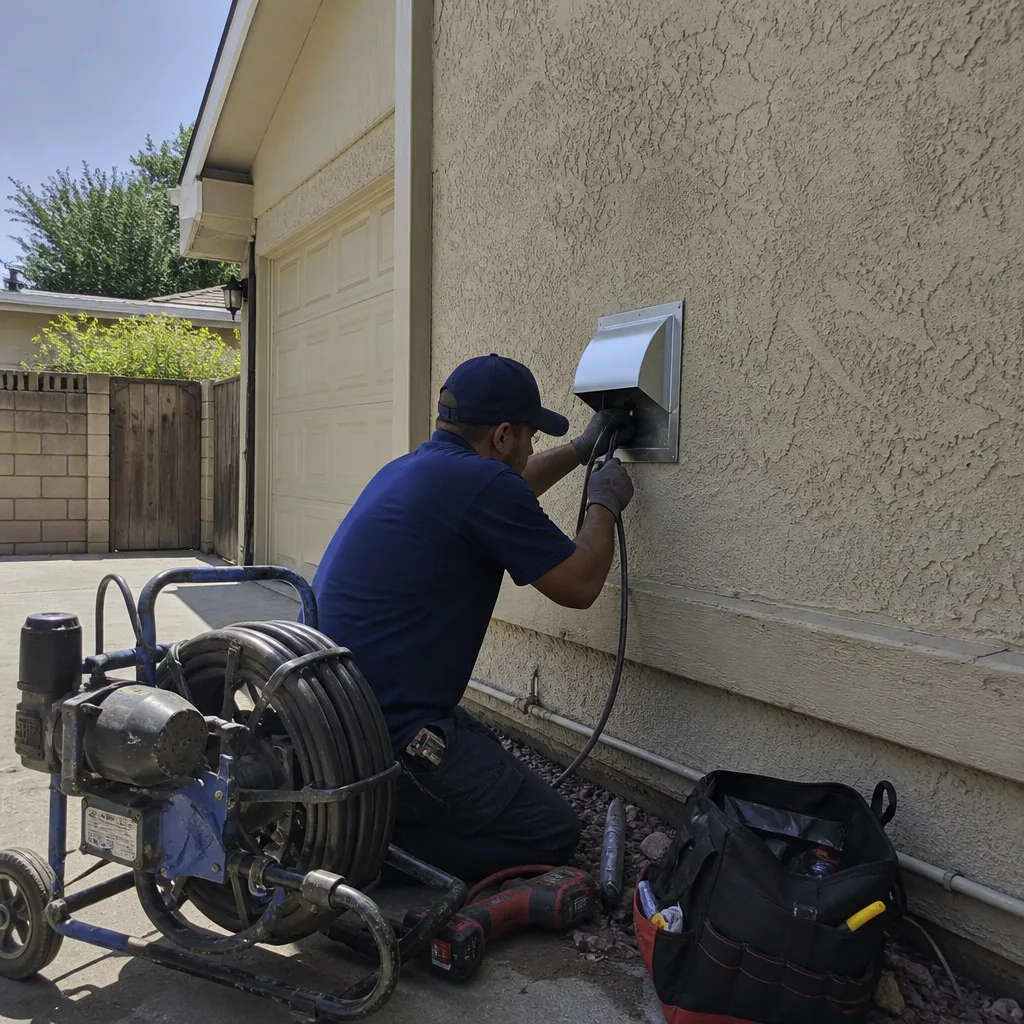
Whole-system duct and dryer vent check with before-and-after photos - you see exactly what came out of your vents
That "$99 whole-house special" is a bait ad - the real number appears once they are in your hallway, or the "clean" is a shop-vac at the register. We photograph the inside of your ducts before and after instead.
Air Duct Cleaning Permits, Codes & Inspections in CA: What You Need to Know
Here’s the thing most homeowners don’t realize: duct cleaning itself is largely unregulated in California. No permit required. No state license specifically for the act of pushing air through a vent. But the moment a technician in Valley Hi finds something wrong inside your ductwork – a collapsed flex run, a disconnected plenum, visible mold growth – the legal picture shifts. Suddenly you’re not talking about cleaning anymore. You’re talking about repair, replacement, or abatement, and those trigger California Building Code, Title 24 energy requirements, and local Sacramento County enforcement. This guide walks through exactly where those lines are drawn so you can make informed decisions without getting caught holding liability for unpermitted work.
Styles & brands we work with
- Whole-home duct cleaning
- Dryer vent cleaning
- Camera inspection
- Sanitizing & deodorizing
Quick Answer
Air duct cleaning does not require a permit anywhere in California, including Valley Hi and greater Sacramento County. However, if cleaning reveals the need for duct repair, replacement, insulation changes, or mold remediation, those specific scopes can trigger building permits, CSLB licensing requirements, and Title 24 energy compliance documentation. Always ask what happens if the contractor finds damage before anyone starts work.
Table of Contents
- Duct Cleaning vs. Duct Repair vs. Duct Replacement: The Legal Distinctions
- What Sacramento County Actually Requires for Duct Work
- Title 24 Energy Code and Your Ducts: Why Resealing Matters
- Mold in Ductwork: When Cleaning Crosses Into Regulated Abatement
- How to Verify a Contractor’s License: The C-20 Difference
- What Paperwork to Keep After Any Duct Work
- Valley Hi Specifics: Climate, Housing Stock, and What We See in the Field
- Common Mistakes to Avoid
- When to Call a Professional
- Frequently Asked Questions
- The Bottom Line
Duct Cleaning vs. Duct Repair vs. Duct Replacement: The Legal Distinctions
California treats these three activities as fundamentally different under building code, and understanding why matters more than most homeowners expect. Air duct cleaning in Valley Hi is considered maintenance, like changing your furnace filter or flushing a water heater. It’s removing accumulated debris from an existing system that remains structurally unchanged. No permit, no license-specific requirement beyond a general business registration.
Repair is different. If a section of flex duct is crushed, torn, or disconnected from the plenum, reconnecting or replacing that section changes the physical system. Sacramento County follows the California Mechanical Code, which requires a permit when ductwork is reconfigured, replaced, or extended beyond minor component swaps. The practical threshold most inspectors use: if the work involves more than replacing a single fitting or a short section of accessible flex, a permit is probably in play.
Full replacement is unambiguously permitted work. When more than a certain percentage – typically 25% to 40% of total duct footage, depending on how the code official interprets the scope – is being replaced, Sacramento County requires a mechanical permit and a post-work inspection. This includes a duct leakage test or a visual inspection to verify that the sealed system meets California’s energy efficiency standards.
Where this gets confusing for homeowners: a duct repair during a routine cleaning starts as one scope and becomes another. A technician finds a collapsed return, the homeowner says fix it, and now there’s a repair that technically requires a permit that nobody pulled. The liability for that sits with the homeowner if the work is done without documentation, regardless of who performed it.
In our experience across Valley Hi, we see this most often in homes built in the 1980s and 1990s, where the original flex duct has sagged or separated at the collars. The cleaning itself was never the issue. The discovery during cleaning is where the regulatory trigger gets pulled.
What Sacramento County Actually Requires for Duct Work
Sacramento County’s building permit requirements for duct work are not buried in obscure code language. They’re published and enforced through the Building Assistance Center. Here’s the practical breakdown:
No permit required:
- Routine air duct cleaning, including agitation and negative-air extraction
- Replacing a single register, grille, or diffuser with a like-kind unit
- Sealing accessible joints with mastic or UL-listed tape
- Replacing a standard air filter housing
Mechanical permit required:
- Replacing more than a short, accessible section of flex duct
- Modifying or relocating plenum boxes
- Adding new supply or return runs
- Replacing duct insulation, unless it is a spot repair under a threshold the inspecting jurisdiction accepts
- Converting duct materials, such as swapping metal for flex or vice versa
When a permit is required, Sacramento County requires a final inspection. That inspection verifies the work complies with the California Mechanical Code, the California Energy Code, and any local amendments. The inspector will check mastic sealing, support spacing, and insulation depth on exterior duct runs.
One nuance many homeowners miss: if ducts pass through a garage or an unconditioned attic, the code requirements change. Ductwork in unconditioned spaces must meet higher insulation standards under Title 24, and the permitting path is stricter. Valley Hi homes with attic-mounted systems – which is most of the housing stock – fall into this category.
If a contractor tells you a permit is unnecessary for work you suspect should be permitted, call Sacramento County’s Building Assistance Center yourself. It’s a ten-minute question, and the answer protects you, not the contractor.
Title 24 Energy Code and Your Ducts: Why Resealing Matters
California’s Title 24 energy code is not a suggestion. It’s state law, embedded in every local permit process, and it has specific provisions for duct systems that directly affect any cleaning or repair work. The section most applicable to Valley Hi homeowners is the duct sealing requirement.
Title 24 mandates that all ductwork in unconditioned spaces – attics, crawlspaces, garages – meet minimum sealing standards. When ducts are replaced or substantially repaired, the work must comply with these standards and is verified during the required inspection. In practice, that means joints sealed with mastic or UL 181-approved tape, not household duct tape, and insulation meeting the climate zone’s required R-value.
Sacramento County falls within Climate Zone 12. For homes in this zone, duct insulation in unconditioned attic spaces is required to meet specific R-value minimums. If your cleaning reveals ducts with degraded insulation – common in older Valley Hi homes where the original jacket has dried and cracked – and you choose to replace that insulation, you are now inside Title 24 compliance territory. The work has to be done right, documented, and inspected.
There’s a practical reason this matters beyond legal compliance: leaky ducts cost real money. The California Energy Commission estimates that typical duct systems lose 20% to 30% of conditioned air to leaks before it reaches the rooms. For a Valley Hi home running air conditioning six months a year, that is not a theoretical loss. It’s a recurring utility cost. Our home page explains how a thorough cleaning, paired with proper duct inspection, can identify leaks that are both an energy problem and a repair trigger.
When a technician uses negative-air containment during cleaning – which is standard practice with Abatement Technologies systems – a small leak is a nuisance. But a system-wide sealing failure needs professional repair, and that repair belongs inside the Title 24 framework.
Mold in Ductwork: When Cleaning Crosses Into Regulated Abatement
This is the regulatory gray zone that catches people off guard. Spotting mold or microbial growth during a duct cleaning does not automatically require a permit, but it changes the legal obligations of everyone involved.
The California Department of Public Health (CDPH) publishes guidelines under the Toxic Mold Protection Act for mold assessment and remediation in occupied buildings. Duct systems are within scope. While the Act does not require a license for mold remediation specifically, it establishes acceptable practices, and CDPH takes the position that visible mold growth inside HVAC components should be addressed by qualified personnel using containment and controlled removal methods.
Here’s where the guidance gets practical for Valley Hi homeowners:
- Small, contained growth – a patch on a register boot or accessible duct interior – can often be physically cleaned and treated without triggering an abatement response. Proper cleaning with HEPA filtration and antimicrobial treatment standards is the accepted scope.
- Widespread growth inside the duct system – especially in a home with a history of moisture problems, roof leaks, or high indoor humidity – is more complex. Cleaning alone may not be sufficient, and the CDPH guidelines push toward sealing affected areas, controlled removal, and verification that the source of moisture has been corrected.
- Mold caused by an active water intrusion – a roof leak dripping into a return in a Valley Hi attic, for example – is a remediation issue first and a duct cleaning issue second. Fixing the leak and repairing the damaged duct material may require building permits, especially if the damaged area is in the building envelope.
No legitimate duct cleaning company – including ours – is in the mold remediation business, and the distinction matters. We will flag it, document it with photos, and recommend appropriate next steps. What we will not do is pretend that running a brush through moldy ductwork solves the underlying problem. That is exactly the kind of half-done work that causes trouble later.
If you suspect mold in your ducts before scheduling a cleaning, say so on the call. That changes the job scope, the equipment needed, and the questions you should be asking. A company that doesn’t blink at the word “mold” and promises to make it disappear with a standard cleaning is probably not the company you want in your home.
How to Verify a Contractor’s License: The C-20 Difference
California’s Contractor State License Board (CSLB) governs who can legally do what to your HVAC system. For duct work, the relevant license class is C-20, Warm-Air Heating, Ventilating and Air-Conditioning Contractor. This is the license that authorizes the holder to modify, repair, or install duct systems.
Duct cleaning is different. Cleaning alone does not require a C-20 license. A cleaning-only operation can operate with a general business license and no CSLB classification. This is legal, common, and – in the context of a pure cleaning – perfectly reasonable. The problem emerges when cleaning companies cross the line into repair work without the credential that protects you.
Here’s what to check before anyone touches your ducts:
- Ask for the CSLB license number. If the company will be doing any repair work, it must hold a C-20. Verify it on the CSLB website, not from a business card.
- Confirm insurance: general liability and workers’ compensation. If a worker gets injured in your attic and the company doesn’t carry workers’ comp, you can be held responsible.
- Ask directly: “If you find a broken duct, who fixes it?” If the answer is “we do,” make sure they’re licensed to do so. If the answer is “we refer it out,” that’s the right answer from a cleaning-only operation.
- Check the license is active and complaint-free. CSLB publishes this information online. Two minutes of research beats a lawsuit later.
In Valley Hi, we use professional-grade Rotobrush and Nikro cleaning systems, and we’re straightforward about scope. Our cleaning work is thorough, and when we find repair issues, we tell the homeowner exactly what’s needed and what the regulatory path looks like. We do not do unpermitted repairs. Ever. The homeowner always knows the options before any work proceeds.
The C-20 question is also why you should never accept a “handyman” doing duct repair. A general handyman license does not cover duct modifications, and unlicensed repair work can void your homeowner’s insurance if it causes a problem later. Your insurer will ask who did the work. If the answer is “some guy from Craigslist,” you’re on your own.
What Paperwork to Keep After Any Duct Work
If you own a home in Valley Hi – especially one built before 2000, where the original ductwork is now decades old – documentation is your protection. Here’s what to keep, and why it matters:
- Scope-of-work summary. A clear written description of what was done: cleaned, repaired, replaced, sealed. This protects you if a dispute arises, and helps the next contractor understand your system.
- Before and after photos. Any legitimate duct cleaning operation should provide these. We do, using Nikro inspection cameras to capture the before state and verify the result. Photos are proof the work happened.
- Permit records. If any work required a Sacramento County permit, keep the approved permit and the final inspection sign-off. This matters when you sell the home, because unpermitted modifications are a disclosure issue.
- Material documentation. If ducts or insulation were replaced, keep the product sheets showing R-values and materials. This demonstrates Title 24 compliance.
- Contractor license and insurance information. At minimum, the license number and policy details. If something fails later, you want to find that contractor.
- Moisture or mold findings, if any. Any written observations about water intrusion, microbial growth, or recommended follow-up. This is medical history for your house.
- Sagging flex in attics. The plastic outer jacket gets brittle in attic heat, the inner liner separates, and the run sags between supports. This reduces airflow and creates a spot where debris accumulates. It’s usually discovered during cleaning.
- Disconnected collars. The zip ties or duct tape used at the plenum connection dry out and fail. The duct physically separates, blowing conditioned air into the attic. This is a repair issue, not a cleaning issue, and it’s one of the most common things we flag.
- Dryer vents that were never installed properly. Valley Hi has a high percentage of homes where the dryer vent runs through the attic or exterior wall with improper materials – especially older vinyl or foil flex. Dryer vent cleaning in Valley Hi becomes a safety diagnostic, because a 25-foot flex run with six elbows is a lint trap waiting to become a fire.
- Dust loads from landscaping and open windows. The Sacramento Valley’s hot, dry summers and the surrounding agricultural dust mean heavier particulate accumulation in ducts. Homes near the Franklin Boulevard corridor or with heavy landscaping see accelerated buildup.
- Assuming “no permit needed” means “no rules apply.” Duct cleaning may be permit-free, but that doesn’t mean it’s unregulated. Contractor licensing, insurance, and honest scoping still apply, and cutting corners on any of them is a liability you own.
- Hiring a handyman to fix disconnected ducts. Reconnecting a separated flex run at the plenum is mechanical work, not handyman work. If the person doing it isn’t C-20 licensed, you’re accepting unpermitted work that can haunt you at resale.
- Agreeing to a “clean and repair” package without seeing the repair scope in writing first. Some operations use cleaning as a door-opener for high-margin repair work. Get the repair recommendation in writing, with photos, before approving anything.
- Ignoring Title 24 when replacing insulation. If you’re in an older Valley Hi home and duct insulation is replaced, the work must meet current energy code. Do it wrong and you’ve paid for work that doesn’t comply and will be flagged in an inspection or a home sale.
- Not documenting what was done. A verbal “we cleaned your ducts” has zero value two years later. Photos, written scope, and receipts are your evidence. If a company won’t provide documentation, walk away.
- Treating dryer vent cleaning as optional add-on. In Valley Hi’s climate, a clogged dryer vent is a fire risk, not a convenience issue. The air duct cleaning conversation should always include a dryer vent assessment if the home has one.
- Believing a government inspector will catch everything. Sacramento County inspects work that’s permitted. If no permit was pulled, no inspection happens. You’re the quality control. Choose a contractor whose work would pass inspection regardless of whether one is required.
For pre-2000 Valley Hi homes, this matters more than you might think. A house built in 1987 with its original flex duct has a system that is at or beyond its expected service life. When you eventually sell – or when a future owner asks about the HVAC – being able to demonstrate that the ductwork was professionally maintained, repaired, and documented adds value and removes friction.
We recommend keeping a dedicated folder, physical or digital, for HVAC and duct records. It takes ten minutes to set up and saves real money when questions come up later.
Valley Hi Specifics: Climate, Housing Stock, and What We See in the Field
Valley Hi’s building stock has a story to tell, and it affects what happens inside your ducts. The majority of residential construction in the area dates from roughly 1975 through 1995 – a period when builders used flex duct widely, often installed in attics that hit 140 degrees in July. Two decades of that heat cycle, plus the region’s dust, and you get specific failure patterns we see on a monthly basis.
Here’s what Valley Hi’s conditions mean in practice:
We don’t design duct systems, and we don’t install new ones. But we spend enough time inside existing Valley Hi ductwork to know exactly what 30-year-old flex in a 140-degree attic looks like. That field context is why we can tell a homeowner, in the first five minutes, whether they’re looking at a clean-and-done situation or whether they should expect a repair recommendation.
The neighborhoods vary, but the housing age is remarkably consistent. Whether it’s a two-story off Bruceville Road or a ranch off Valley Hi Drive, the ductwork is often original, and it’s often tired. That’s not an upsell talking point. It’s the reality of the building stock, and it’s why an honest contractor will discuss repair possibilities before the first brush goes in.
Common Mistakes to Avoid
When to Call a Professional
You don’t need a professional to tell you your ducts are dirty – you need one to tell you whether they’re also damaged, leaking, or unsafe. Call a qualified duct professional if you notice weak airflow from multiple registers, visible dust buildup around vents, musty smells when the system runs, or rooms that never reach the thermostat temperature. Those are signs of a system problem, not just a cleanliness problem.
If your home in Valley Hi is over 25 years old and the ducts have never been professionally evaluated, that alone is reason to schedule an inspection. The cost of finding a disconnected plenum early is a fraction of the cost of running a leaky system for another five Sacramento summers. Our duct repair service addresses the most common structural failures we find during cleaning.
Air Duct Cleaning Valley Hi offers free estimates in Valley Hi – call (833) 399-2759. We will inspect your system, document what we find, and give you a straight answer about whether you’re looking at a cleaning, a repair, or both – with no pressure and no surprise scope
Frequently Asked Questions
No. Air duct cleaning is considered routine maintenance and requires no permit anywhere in California, including Sacramento County. Permits only enter the picture if the cleaning reveals the need for duct repair, replacement, or mold remediation. Call (833) 399-2759 if you’re unsure whether the work your ducts need falls into the permit category.
Legally, cleaning is maintenance – it removes debris without altering the system structure. Repair modifies or replaces components of the system, which can bring Sacramento County mechanical permit requirements into play, along with CSLB C-20 licensing for the contractor. The line is crossed when a technician removes and replaces duct sections, moves plenum boxes, or substantially reseals the system.
A standard cleaning does not affect Title 24 compliance one way or another. However, if cleaning reveals that ducts are disconnected, uninsulated, or improperly sealed, repairing those issues will likely bring the system under Title 24 scrutiny – and the repair must meet current energy code, not the code from when the house was built.
Cleaning-only operations do not need a CSLB license, but any company doing duct repair must hold a current C-20 HVAC license. Ask for the license number and verify it directly on the CSLB website. Also confirm that the company carries general liability and workers’ compensation insurance. A legitimate company will provide this information without hesitation.
First, the cleaning operation should stop and document the finding with photos. Second, the moisture source must be identified – mold in ducts means moisture in ducts, and that root cause has to be fixed or the mold will return. Third, the extent of the growth must be assessed. Small, contained patches can often be physically cleaned. Widespread growth should be referred to a qualified mold remediation professional. A duct cleaner who downplays visible mold is not doing you a favor.
Yes, at least it should be. Professional operations use inspection cameras – we use Nikro systems – to document the before and after condition of your ductwork. Photos are the proof that the work was actually done, and they’re also how we identify the hidden problems that cleaning alone won’t solve. If a company doesn’t offer before-and-after camera documentation, ask why.
The Bottom Line
California has drawn a clear line: duct cleaning is maintenance, but duct repair, replacement, and mold abatement are regulated work. The smart homeowner in Valley Hi knows the difference before hiring, verifies licensing and insurance before anyone gets on a ladder, and insists on written documentation afterward. If your ducts are simply dirty, a professional cleaning with quality equipment – the kind that captures contaminants instead of redistributing them – is all you need. If your ducts are damaged, the honest answer matters more than the easy one. Know what you’re signing, keep the paperwork, and the whole process goes better.
Written by the team at Air Duct Cleaning Valley Hi, serving Valley Hi since 2018.
See the difference
 Before
 After
 Before
 After
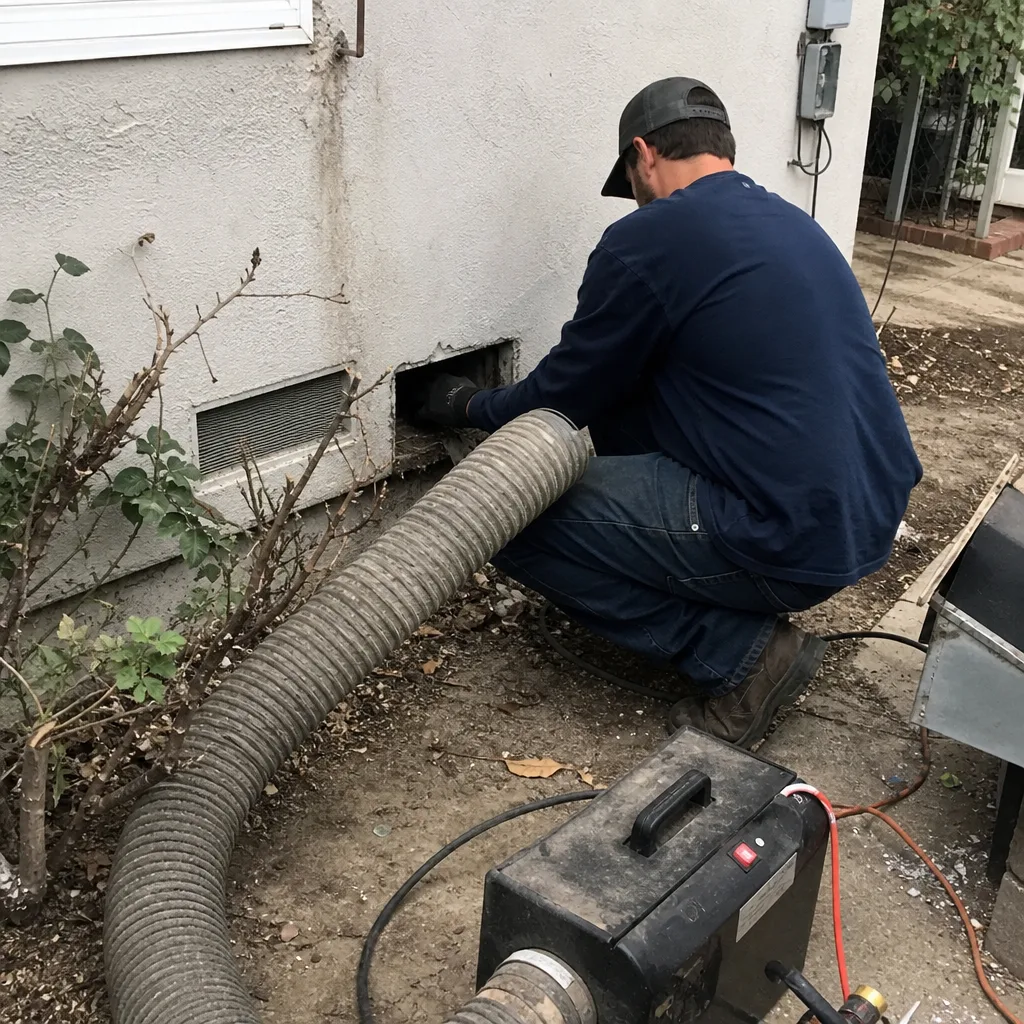 Before
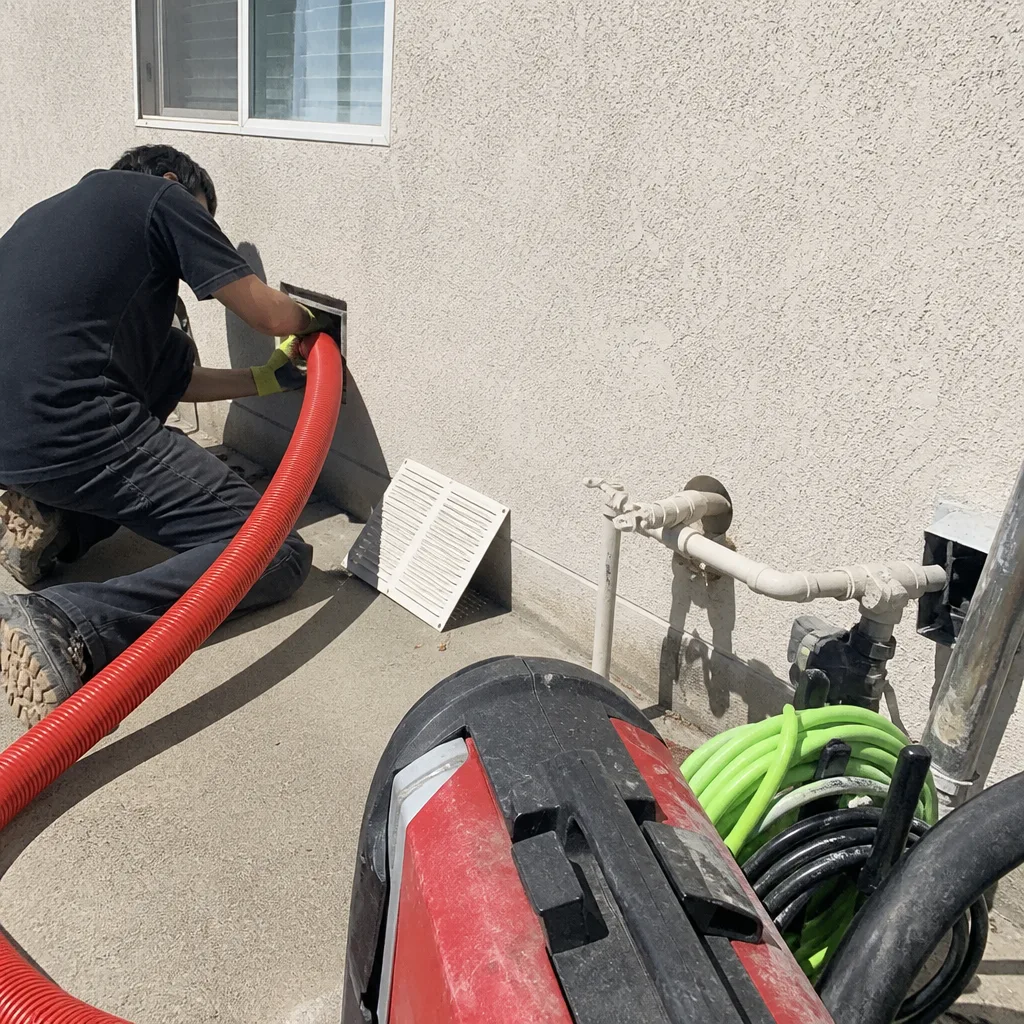 After